





































































































































































































































































































































































































India’s Aditya-L1 Solar Observatory Studies the Sun’s Eruptions

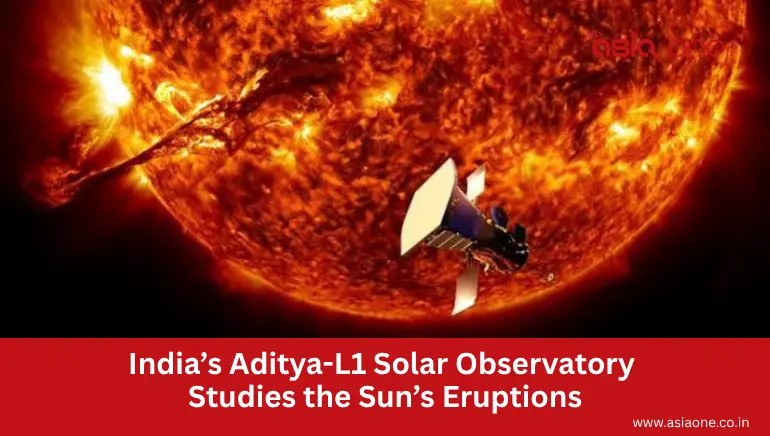
India’s first space-based solar observatory, Aditya-L1, has provided new information about the expansion of solar eruptions, helping scientists improve their understanding of phenomena that can affect Earth’s space environment.
A study published on November 3 by the Indian Institute of Astrophysics used observations from Aditya-L1’s Visible Emission Line Coronagraph (VELC), alongside images from NASA’s Solar Dynamics Observatory and three-dimensional modelling.
The researchers examined a coronal mass ejection observed on August 5, 2024. These eruptions involve large quantities of plasma and magnetic fields being expelled from the Sun into space.
The study found that the eruption did not expand evenly in the shape of a symmetrical bubble. Instead, it expanded unevenly and developed an asymmetric structure. The findings provide a more detailed picture of how solar material moves away from the Sun.
Understanding these changes is important for studying space weather. Coronal mass ejections directed towards Earth can interact with its magnetic field and cause geomagnetic disturbances. Such events can affect satellites, communication networks and navigation systems.
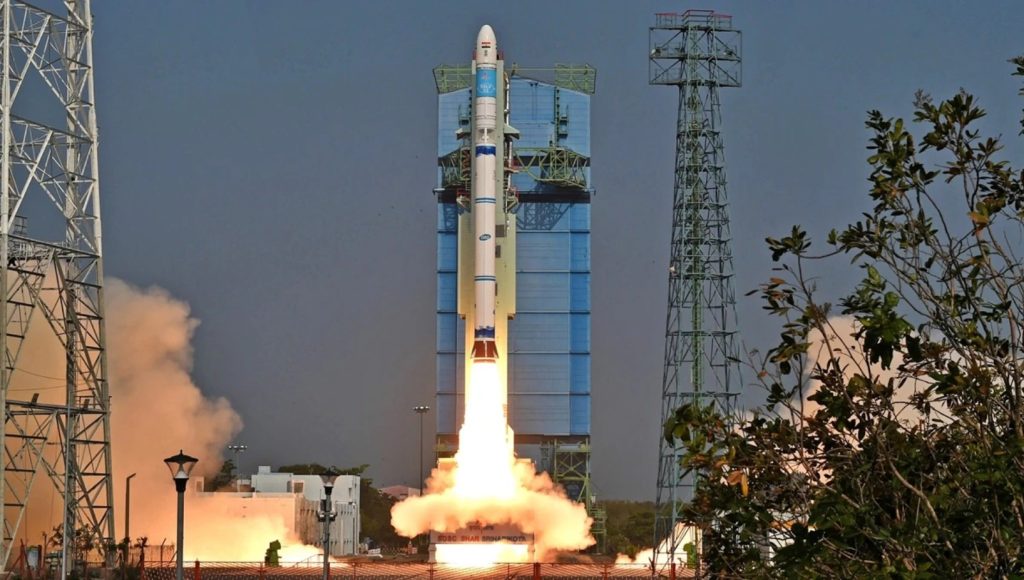
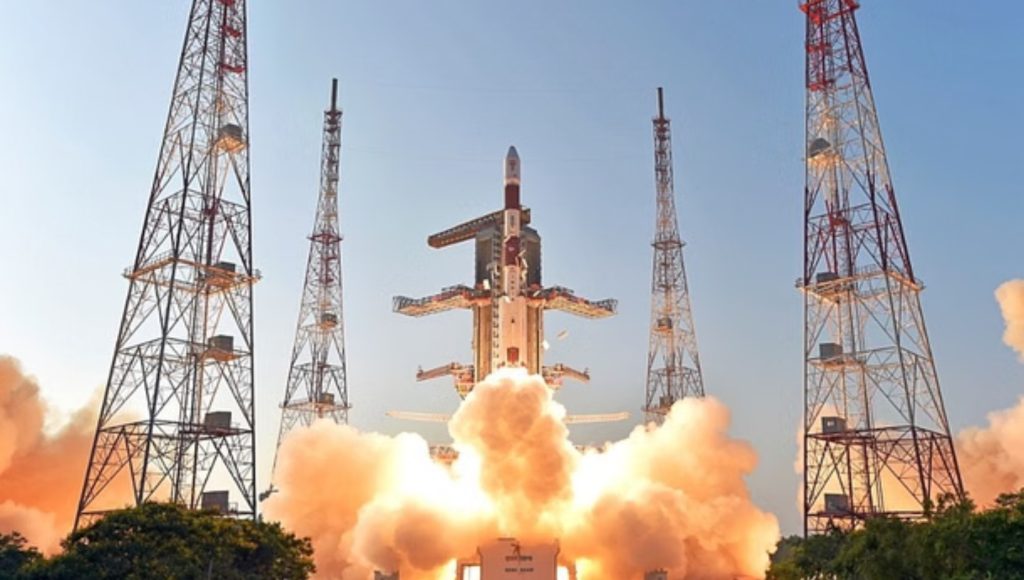
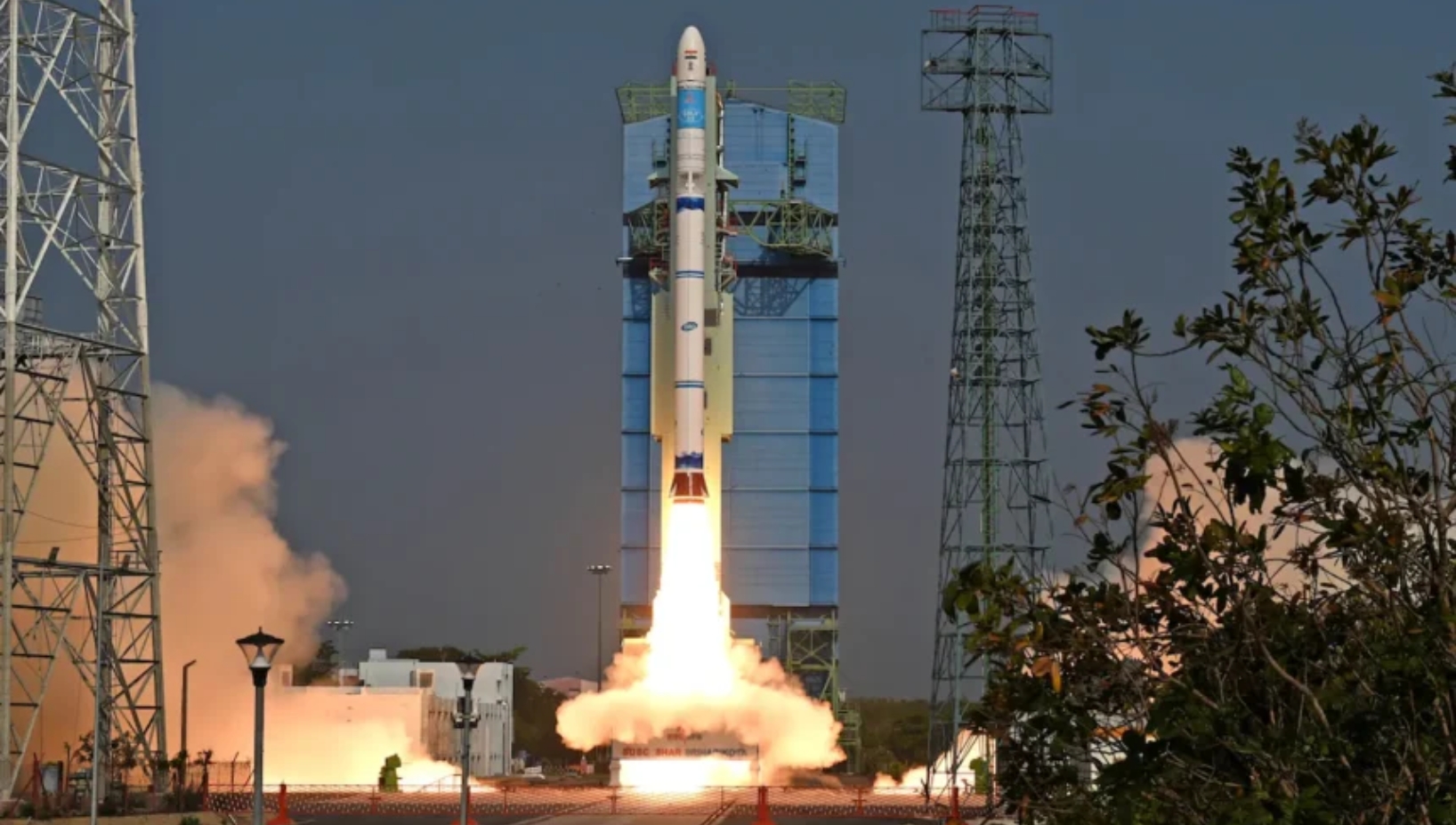
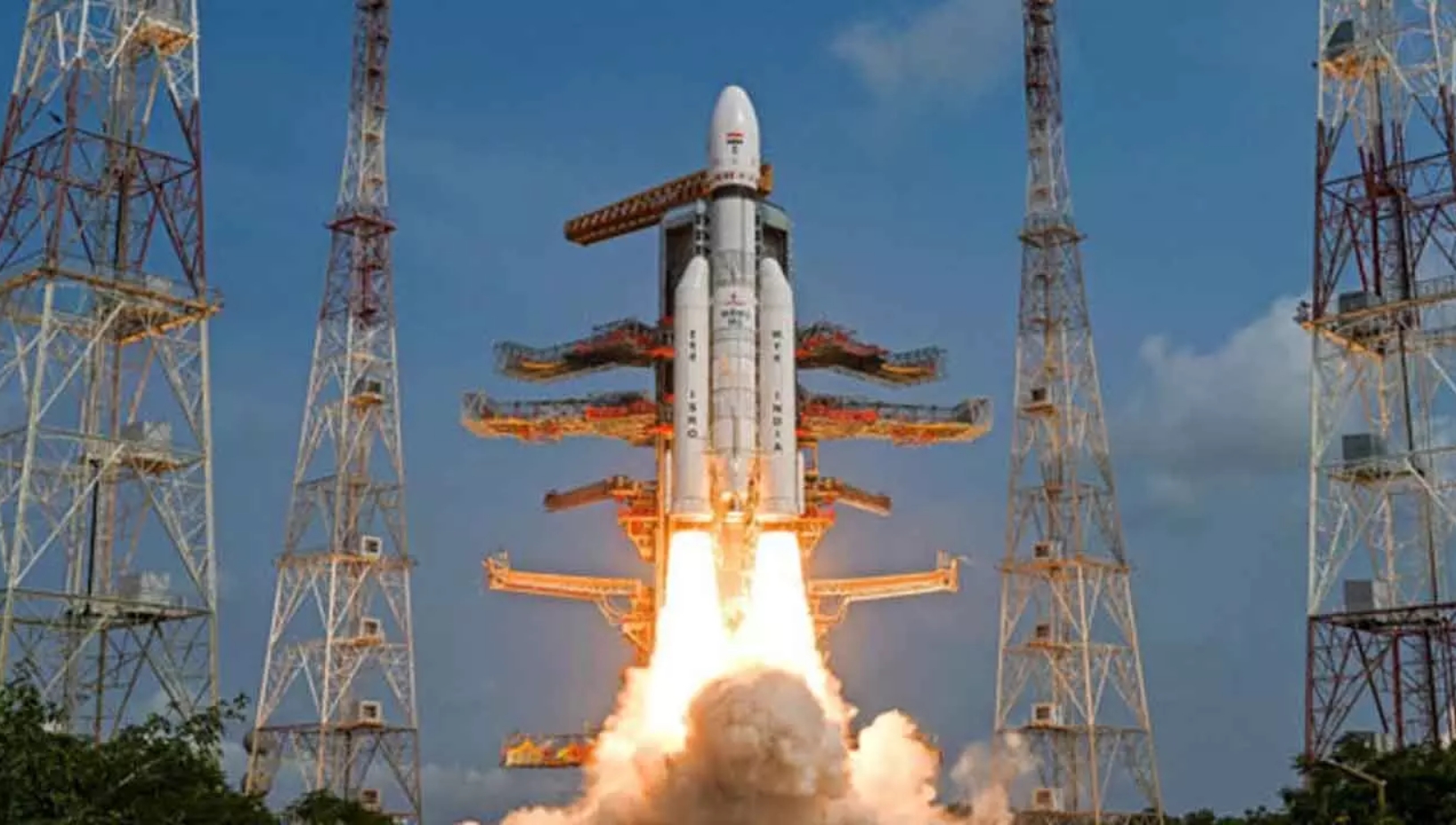
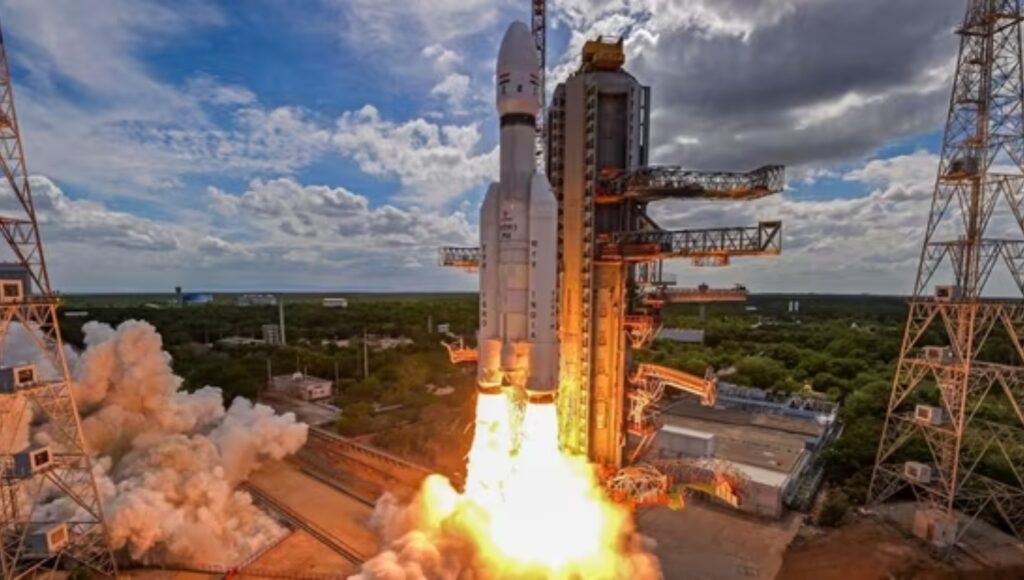
Aditya-L1 was launched by the Indian Space Research Organisation (ISRO) in September 2023 and is positioned around the Sun-Earth L1 point, approximately 1.5 million kilometres from Earth. Its location allows it to observe the Sun continuously.
The spacecraft carries seven scientific payloads, with VELC designed to study the solar corona. The latest research adds to findings from the mission on solar flares, magnetic fields and coronal mass ejections.