













































































































































































































![In my last role at [Previous Company], I reduced cost-per-lead on Google Ads by 28% and improved conversions by 40% through campaign restructuring and remarketing. On social media, I boosted engagement by 45% and increased website traffic by 30% using interactive content and influencer collaborations.](https://www.asiaonemedia.com/wp-content/uploads/2025/09/Economy-India-and-UK-Partner-for-Sustainable-Smart-Cities-1024x580.jpg)





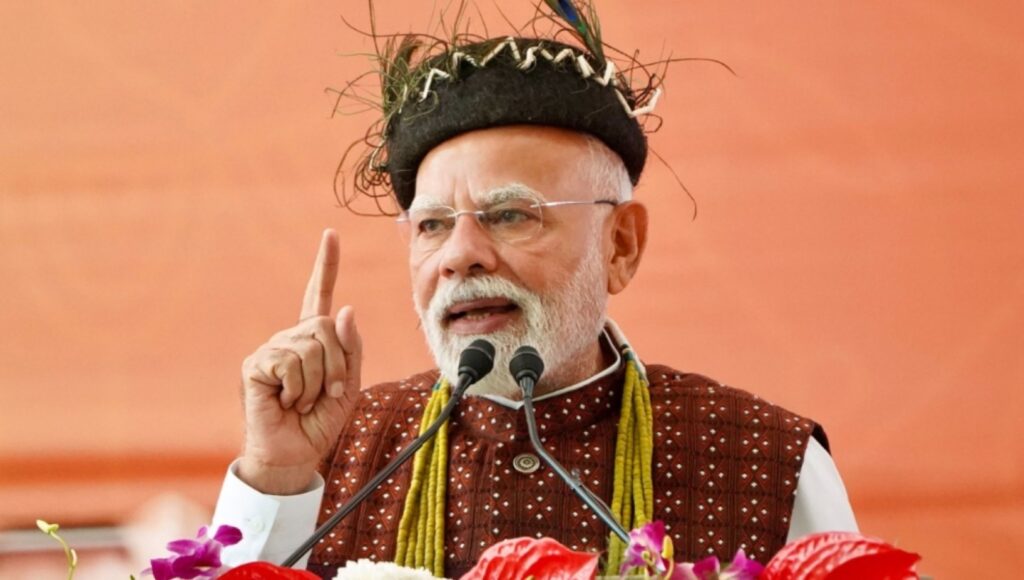









































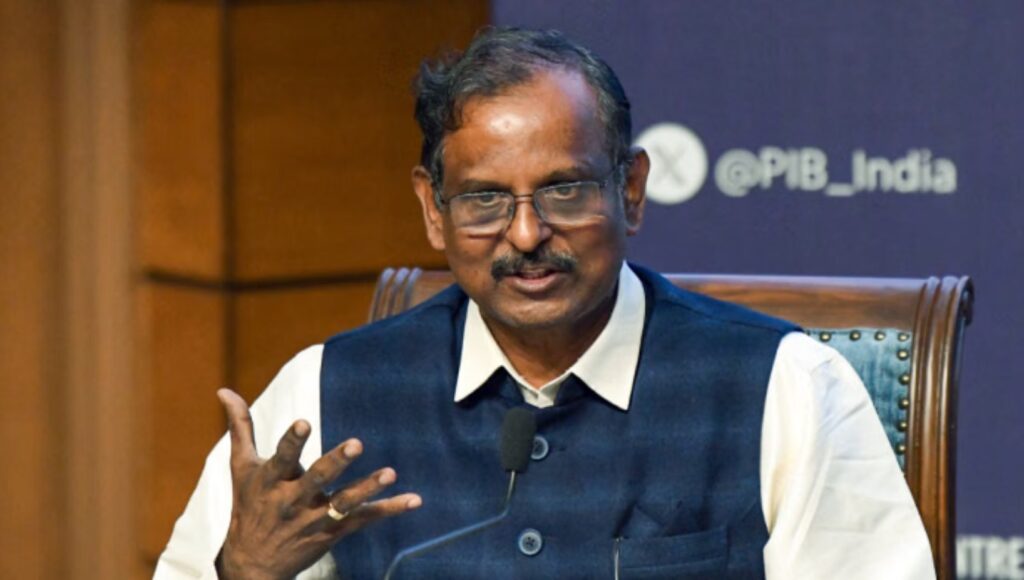


























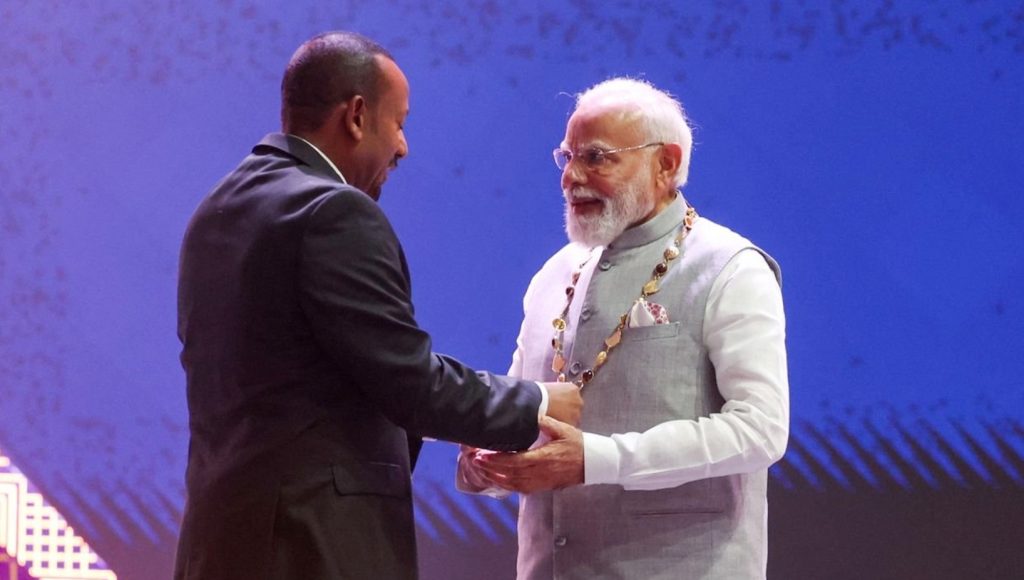
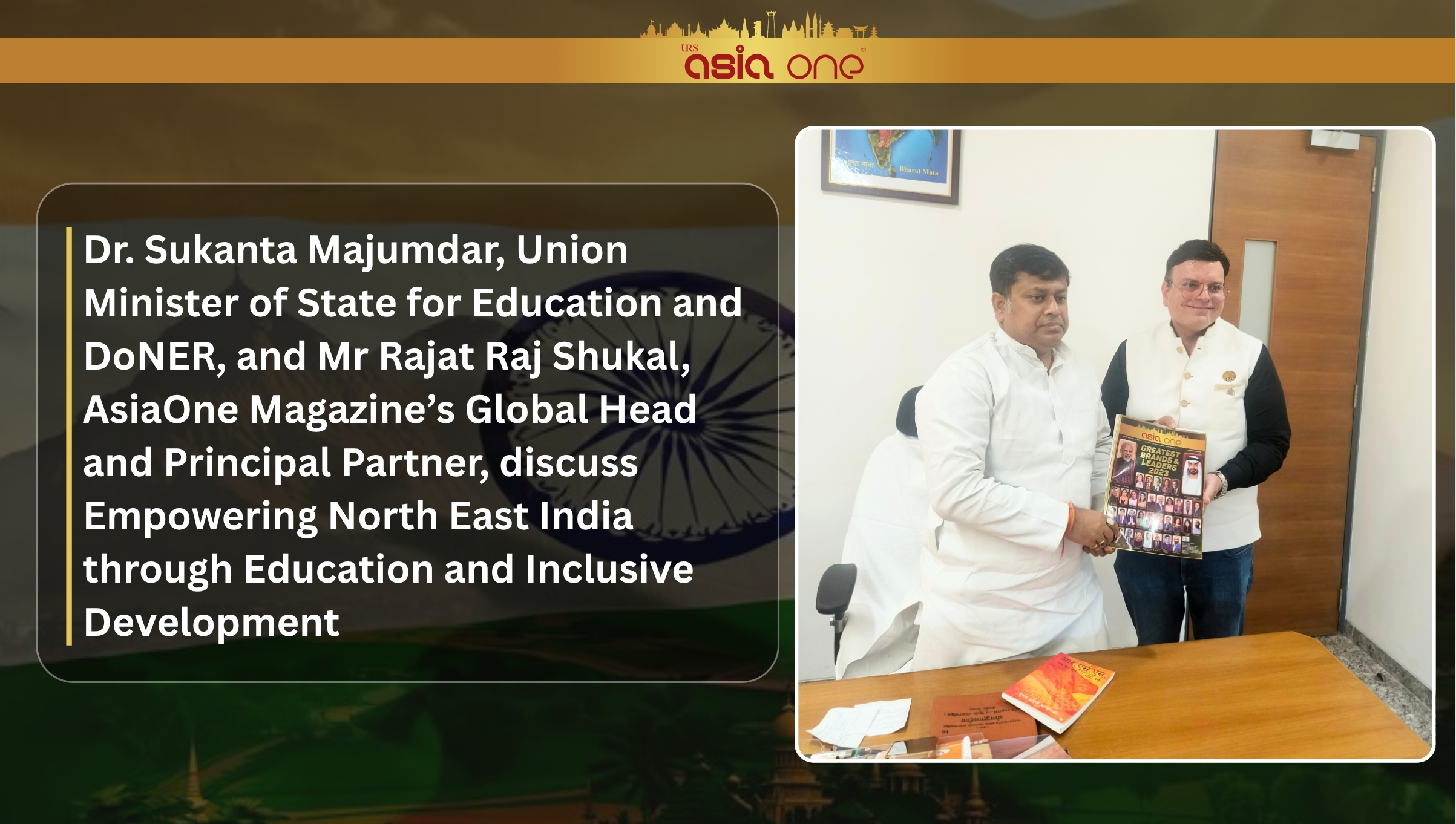
Prof. S. P. Singh Baghel, Hon’ble Union Minister of State, and Mr. Rajat Raj Shukal, AsiaOne Magazine’s Global Head and Principal Partner, Exchange Views on Grassroots Governance and Inclusive Rural Development

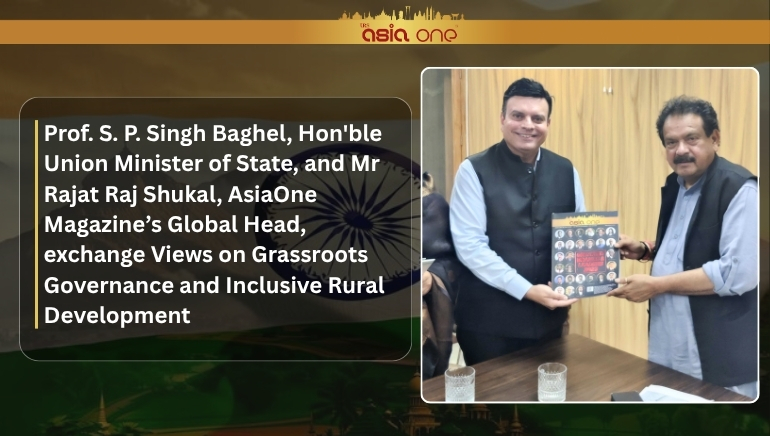
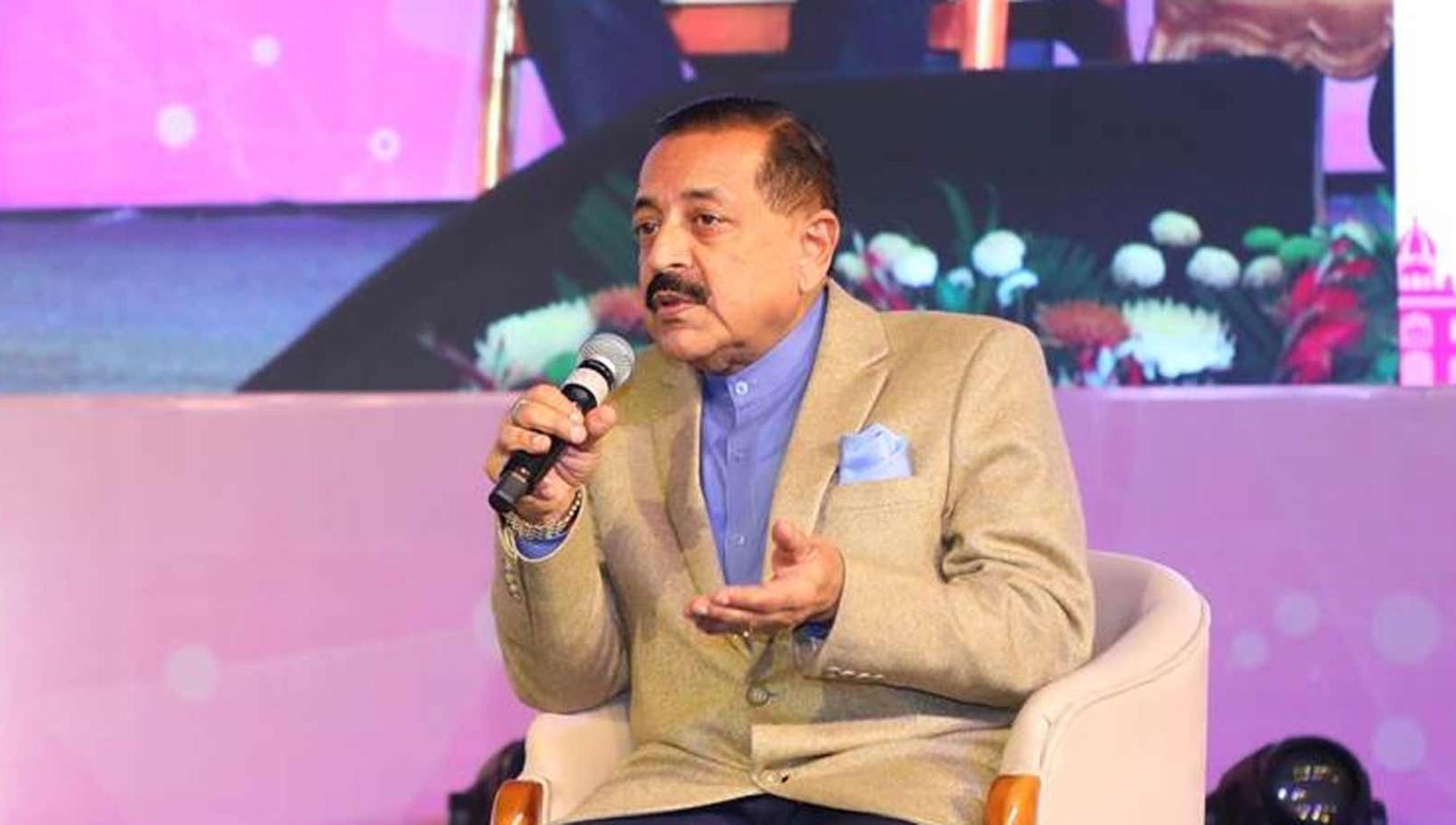
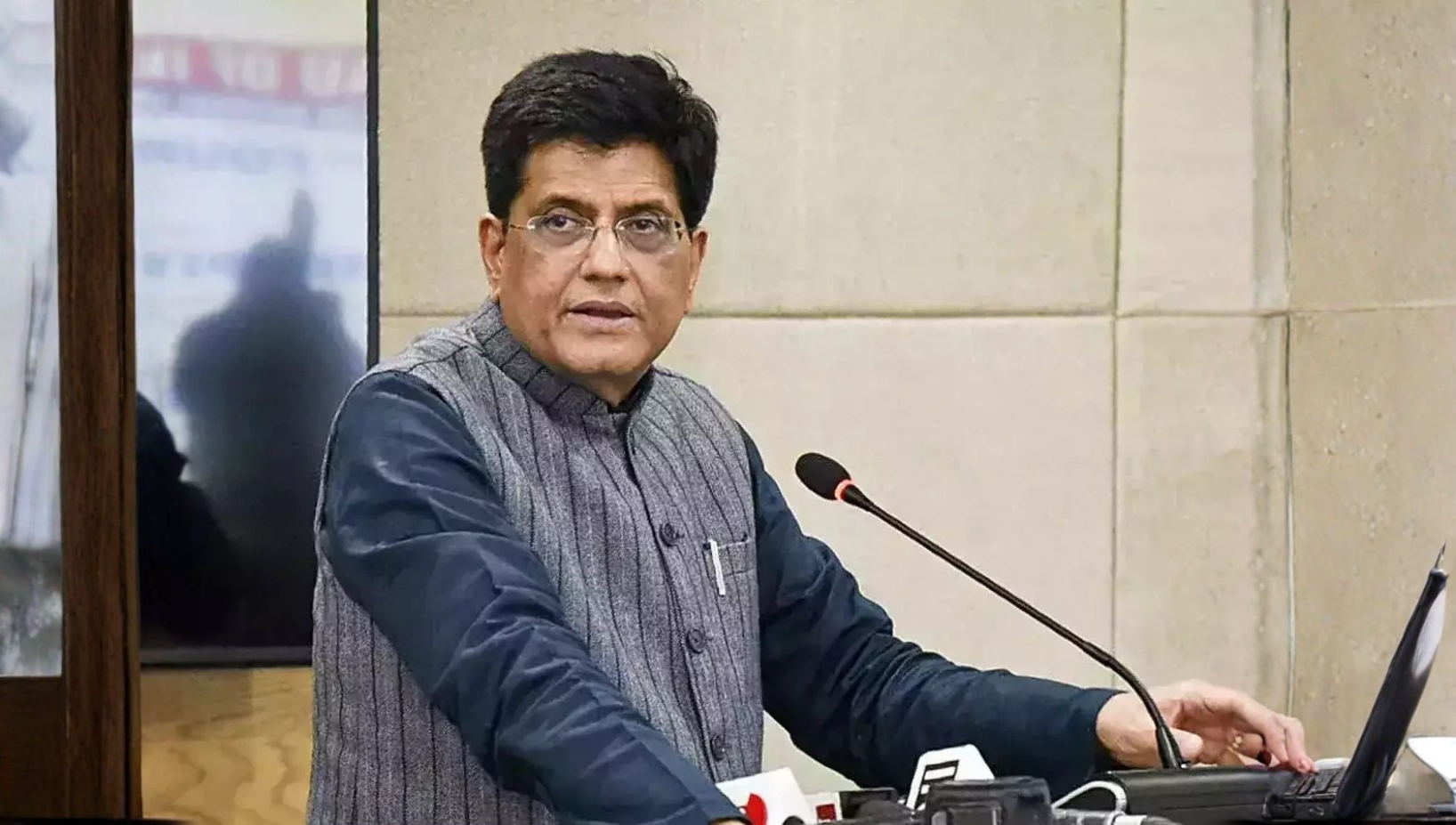
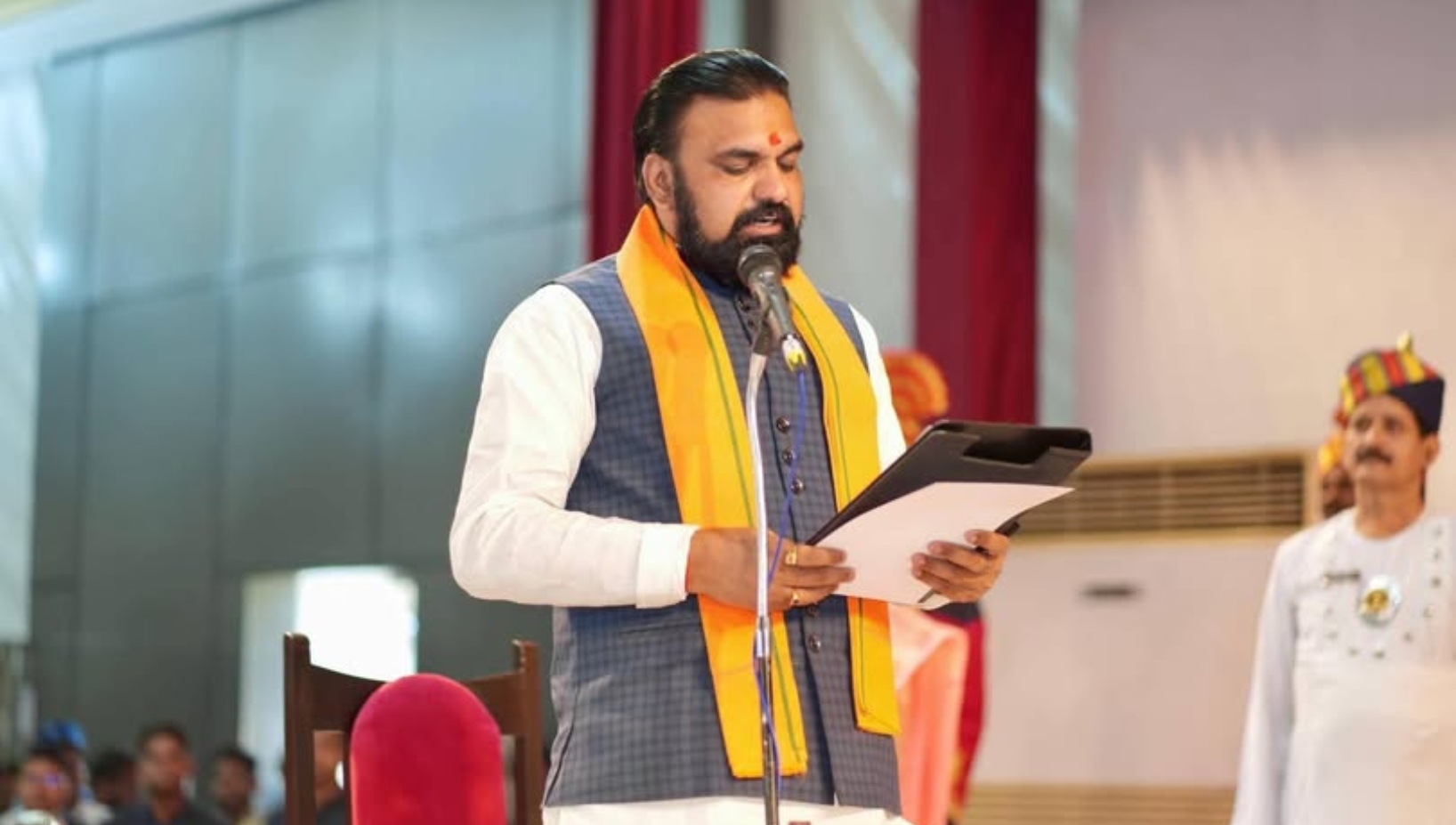
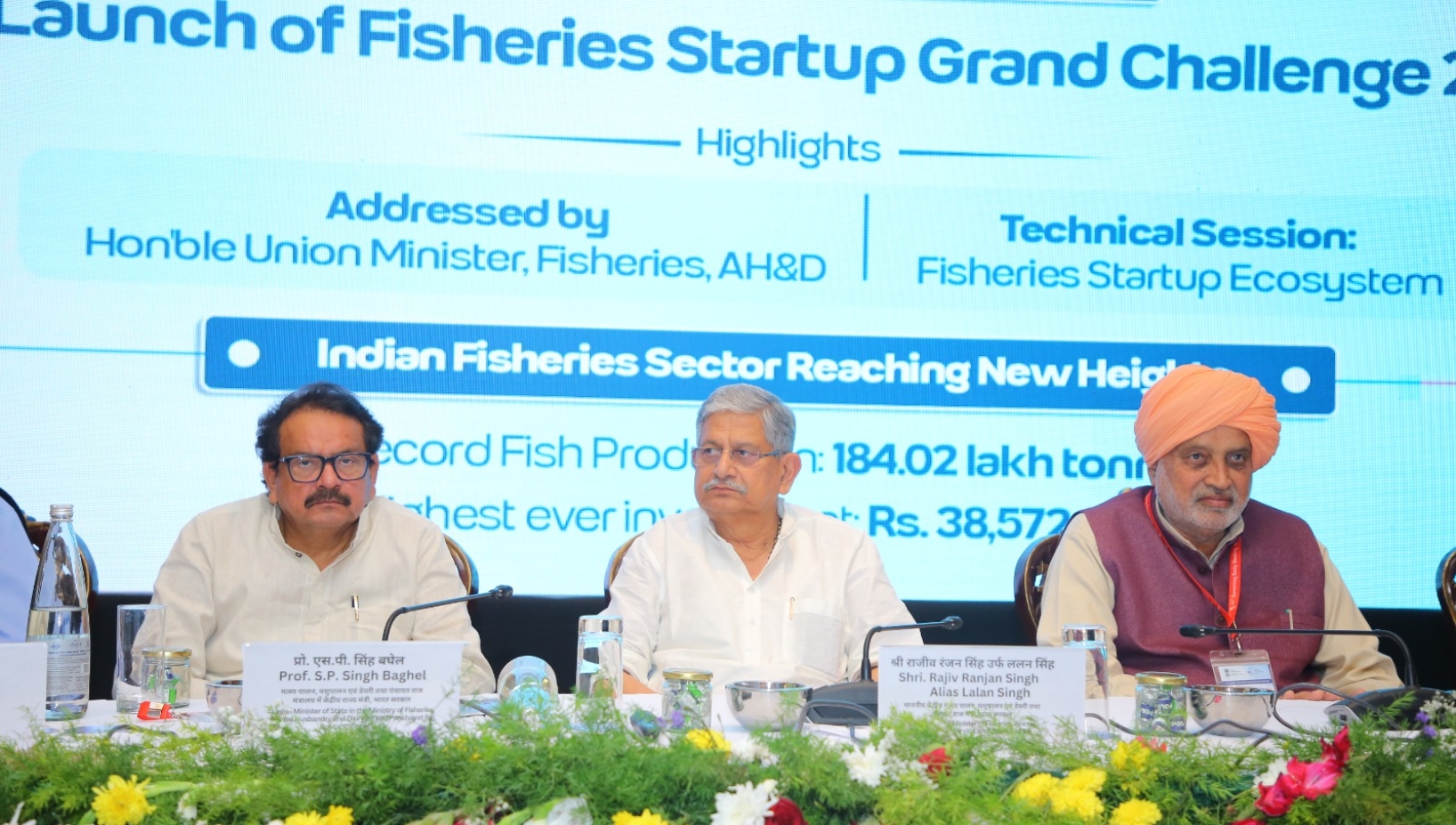
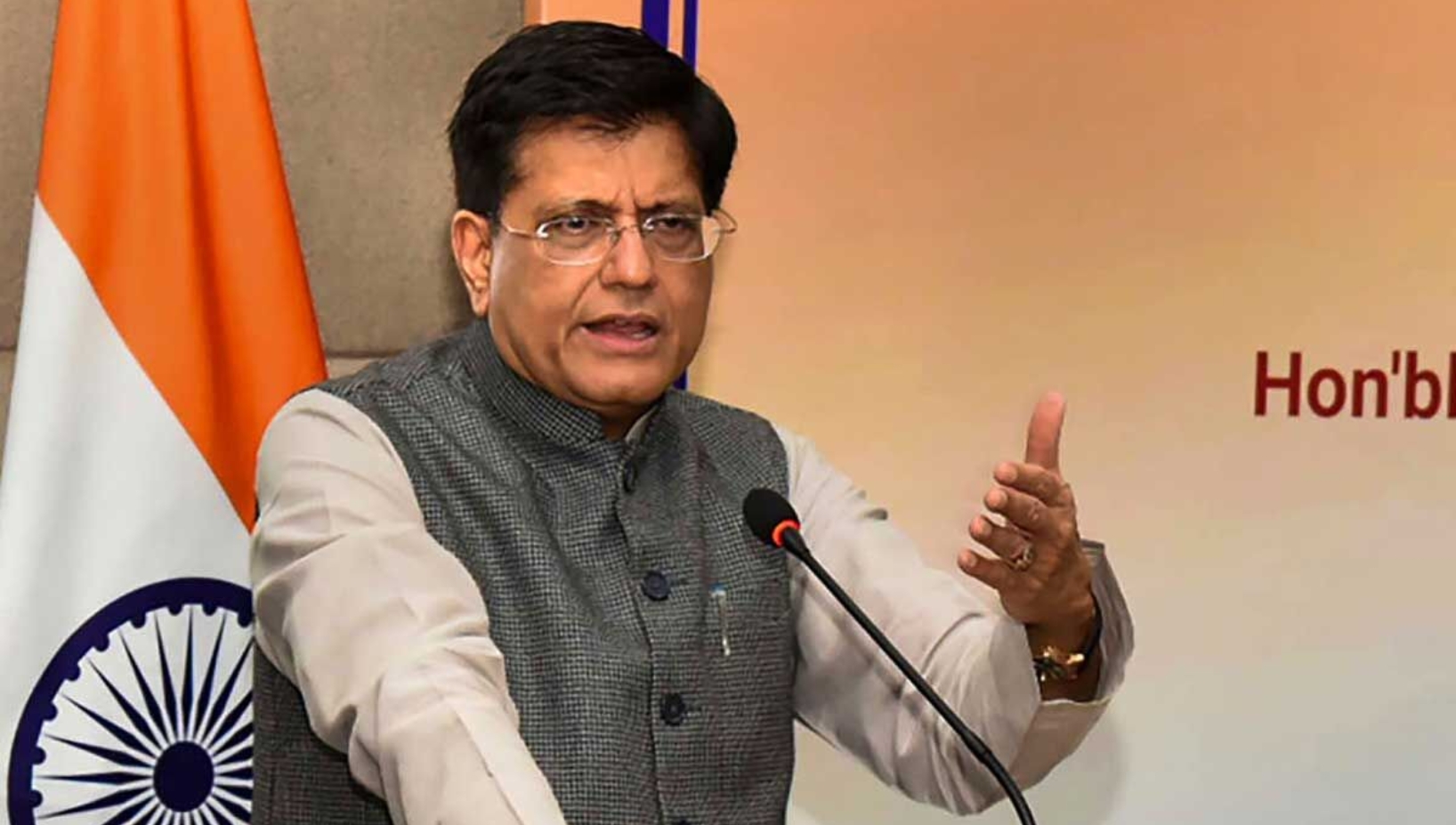
In a strategic policy dialogue focused on decentralised administration and sectoral advancement, Prof. S. P. Singh Baghel, Hon’ble Union Minister of State for Panchayati Raj, Fisheries, Animal Husbandry & Dairying, engaged with Mr. Rajat Raj Shukal, Global Head and Principal Partner, AsiaOne Magazine. The exchange focused on execution architecture in grassroots governance, capacity building in rural institutions, and growth acceleration in livestock and fisheries ecosystems.
The discussion focused on implementation depth, institutional clarity, and measurable public value creation.
Governance at the Village Tier: Structural Precision and Accountability
Prof. Baghel suggested a governance model in which Panchayati Raj Institutions operate as structured administrative units with defined performance benchmarks. He emphasised that decentralisation should be accompanied by financial discipline, documented planning cycles, and auditable expenditure mechanisms. He stated that village administration should work with the same professional discipline as higher tiers of government.
The hon’ble minister expressed satisfaction over the fact that the e-Gram Swaraj portal has increased operational transparency, which enables structured planning, accounting integration, and expenditure tracking. He added that the Meri Panchayat mobile application complements this infrastructure by improving citizen access to public information and service updates. These technologies improve process visibility and execution oversight without increasing procedural complexity.
Addressing representational integrity, Prof. Baghel emphasised the importance of eliminating the “Pradhanpati” practice in order to safeguard elected women representatives’ decision-making authority. He emphasised that leadership legitimacy is critical to democratic credibility, and that women’s governance must show autonomy rather than proxy control.
Fiscal sustainability at the Panchayat level was highlighted as a strategic tool. He advocated for systematic generation of Own Source Revenue (OSR) through structured asset utilisation, revenue-aligned infrastructure models, and disciplined local resource management. The smart village framework—which includes civic infrastructure, sewage systems, and digital access—was offered as a government template based on utility rather than symbolism.
Sanitation and Healthcare Delivery: Improving Service Penetration
Prof. Baghel acknowledged the long-term institutional benefits made possible by the Swachh Bharat Abhiyan, particularly the reinforcement of structured sanitation infrastructure and community hygiene standards. He stressed the importance of maintaining protocols and behavioural reinforcement in order to continue these results.
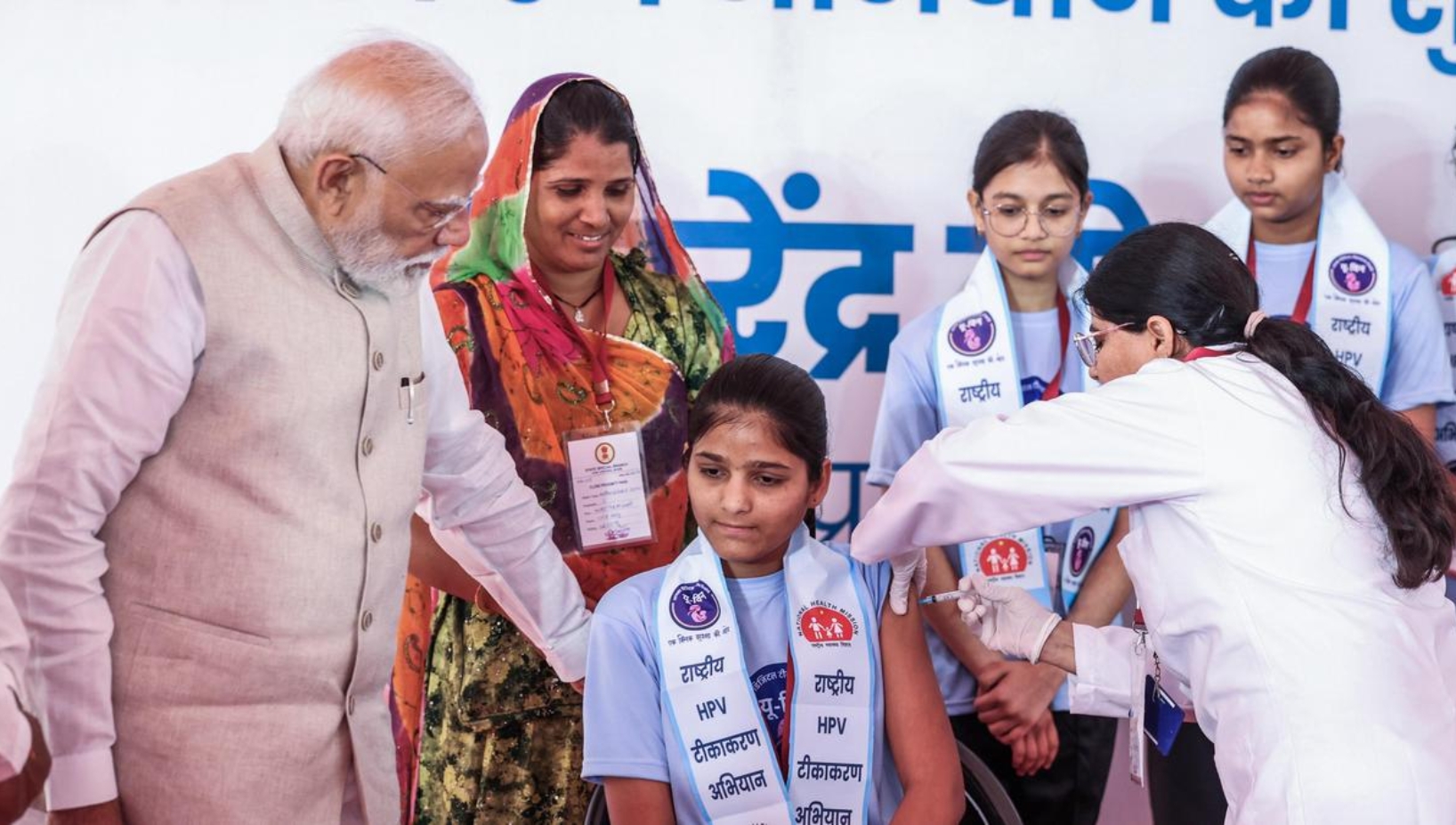
Expanding healthcare access remains a major priority. He urged Panchayats to increase beneficiary identification and awareness campaigns under Ayushman Bharat, particularly for senior individuals over the age of 70. He emphasised that improved communication channels guarantee that financial protection schemes translate into actual healthcare utilisation.
Animal Husbandry and Dairy: Productivity-Driven Rural Stability
India’s position as the world’s leading milk producer is a result of ongoing institutional investment and farmer participation. Prof. Baghel discussed the Rashtriya Gokul Mission, which promotes breed development through scientific genetic improvement programmes. Structured veterinary outreach and biosecurity measures contribute to enhanced productivity metrics.
The hon’ble minister asserted that Nationwide vaccination campaigns have improved livestock health security, lowering vulnerability to disease outbreaks. The adoption of Sex-Sorted Semen (SSS) technology has improved herd composition and yield predictability, resulting in longer-term income stability for dairy farmers.
Livestock insurance systems provide financial stability by mitigating risk exposure. Prof. Baghel underlined that disciplined herd management, scientific breeding, and risk mitigation methods work together to improve rural economic resilience and contribute to national nutritional security.
Fisheries Sector Reform and Blue Economy Expansion
Prof. Baghel emphasised policy acceleration in the fisheries sector under the Pradhan Mantri Matsya Sampada Yojana, which aims to improve maritime infrastructure and simplify value chains. The Fisheries Infrastructure Development Fund is providing capital to upgrade harbour facilities, cold storage networks, and processing environments.
These actions are designed to improve supply chain efficiency, raise product quality standards, and increase export readiness. At the same time, regulatory alignment with ecological sustainability helps to ensure the longevity of marine resources. Strengthened infrastructure, together with appropriate resource management, ensures steady income sources for fishing communities.
Administrative Oversight and Institutional Standardisation
Prof. Baghel’s governance style emphasises administrative order and procedural compliance. During his departmental review at Krishi Bhawan in New Delhi, he evaluated progress under Special Campaign 5.0, with a focus on systematic record digitalisation, waste disposal methods, and operational efficiencies.
He emphasised that governance excellence is dependent on defined processes, internal audits, and ongoing performance benchmarking. Institutional improvements must be integrated into day-to-day operations to ensure continuity beyond individual tenures.
Throughout the conversation, Mr. Shukal steered the discussion toward scalability frameworks, policy convergence, and long-term sustainability. The conversation reflected a structured national vision in which decentralised governance, allied rural sectors, and disciplined administration operate in alignment.
Prof. Baghel encapsulated his approach with a definitive statement: “Empowered Panchayats, scientifically advanced rural sectors, and technology-enabled governance together establish the structural foundation for inclusive national advancement.”
The exchange offered a clear development architecture in which accountable local institutions, productivity-driven agricultural ecosystems, and administrative accuracy work together to create a resilient rural framework. By aligning decentralised authority with structured execution and sectoral modernisation, the roadmap articulated in this engagement outlines a calibrated pathway toward durable and inclusive rural transformation.
FAQs
- What was the primary focus of the dialogue between Prof. S. P. Singh Baghel and Mr. Rajat Raj Shukal?
The discussion centred on strengthening Panchayati Raj institutions, modernising the animal husbandry and fisheries sectors, enhancing institutional accountability, and integrating digital platforms for improved rural governance outcomes.
- How are Panchayati Raj Institutions repositioned under Prof. S. P. Singh Baghel’s leadership?
They are being organised as performance-oriented governance units, with transparent budgeting, auditable expenditure systems, measurable planning cycles, and increased financial autonomy via Own Source Revenue mechanisms.
- How does technology impact grassroots governance reforms?
Digital platforms, such as the e-Gram Swaraj portal and the Meri Panchayat app, enhance planning transparency, expenditure monitoring, citizen communication, and real-time administrative control.
- Why is the elimination of the “Pradhanpati” practice important?
Eliminating proxy leadership protects the constitutional power of elected women representatives, enhances democratic integrity, and ensures authentic participation in local decision-making processes.
- How can the Swachh Bharat Abhiyan help achieve rural governance objectives?
The Swachh Bharat Abhiyan, via systematic execution and community participation, increases sanitation infrastructure, promotes hygiene standards, and improves dignity in rural households.
- What steps are being taken to increase rural healthcare access?
Panchayats are encouraged to increase awareness and beneficiary enrolment in Ayushman Bharat, particularly among residents aged 70 and above, to ensure financial security for medical treatment.
- How is the animal husbandry industry being strengthened?
Reforms include breed enhancement through the Rashtriya Gokul Mission, nationwide vaccination drives, the use of Sex-Sorted Semen technology, and the extension of livestock insurance frameworks.
- What is the importance of the Pradhan Mantri Matsya Sampada Yojana?
The Pradhan Mantri Matsya Sampada Yojana promotes fisheries infrastructure modernisation, improves cold chain networks, increases value chain efficiency, and strengthens income stability for fishing communities.
- How can fiscal sustainability benefit panchayats?
Generating Own Source Revenue (OSR) minimises reliance on external funds, increases financial resilience, and enables local governments to design and implement development initiatives with greater strategic freedom.
- How does AsiaOne Magazine contribute to discussions on grassroots governance and rural development?
AsiaOne Magazine serves as a strategic platform for policy dialogues by showcasing Union Ministers and institutional leaders, enabling structured discussions on decentralised governance, rural sector reforms, and inclusive development frameworks.