



















































































































































































































































































![In my last role at [Previous Company], I reduced cost-per-lead on Google Ads by 28% and improved conversions by 40% through campaign restructuring and remarketing. On social media, I boosted engagement by 45% and increased website traffic by 30% using interactive content and influencer collaborations.](https://www.asiaonemedia.com/wp-content/uploads/2025/09/Economy-India-and-UK-Partner-for-Sustainable-Smart-Cities-1024x580.jpg)














































































ISRO eyes space-based data centres for next-gen satellites


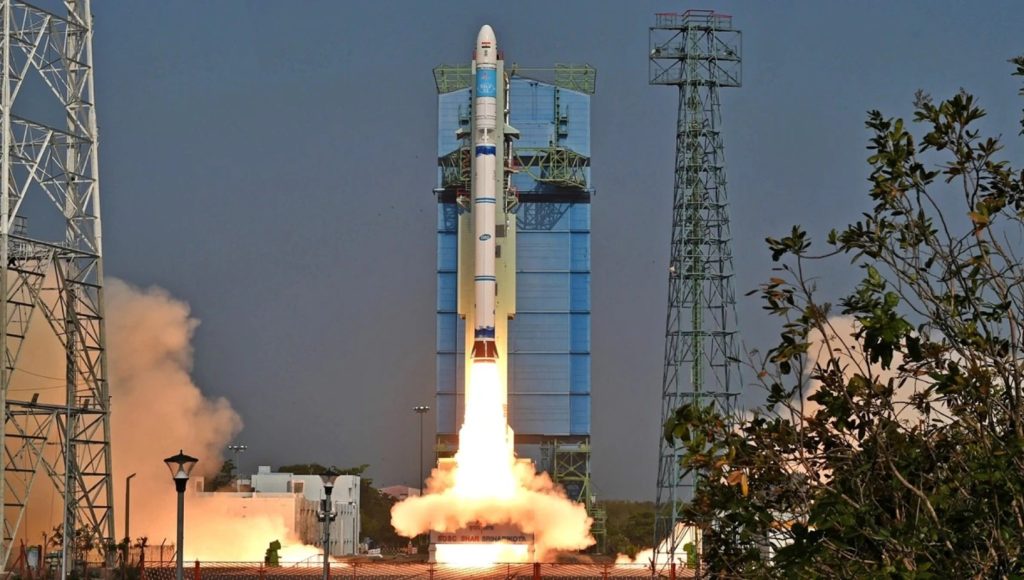
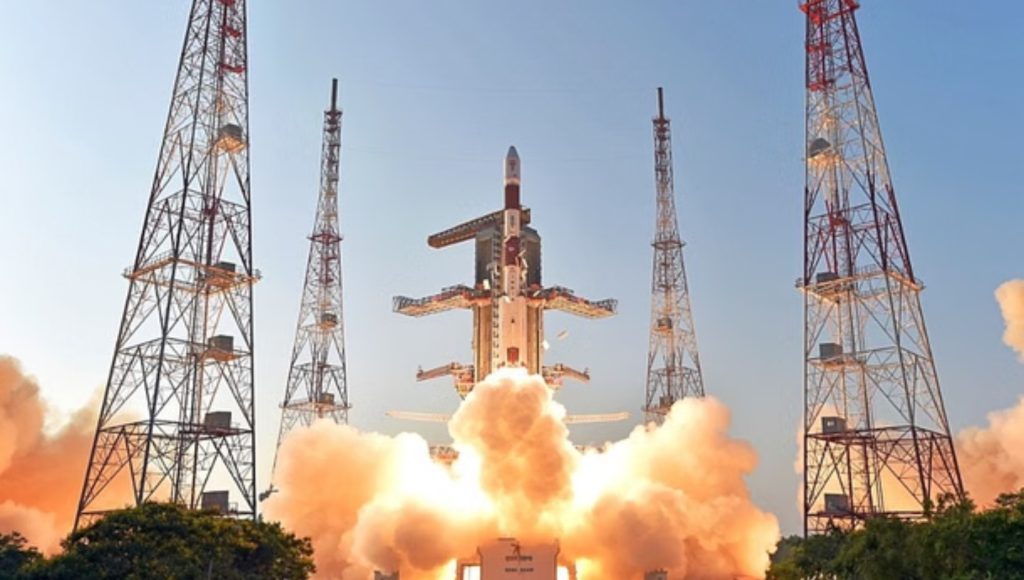
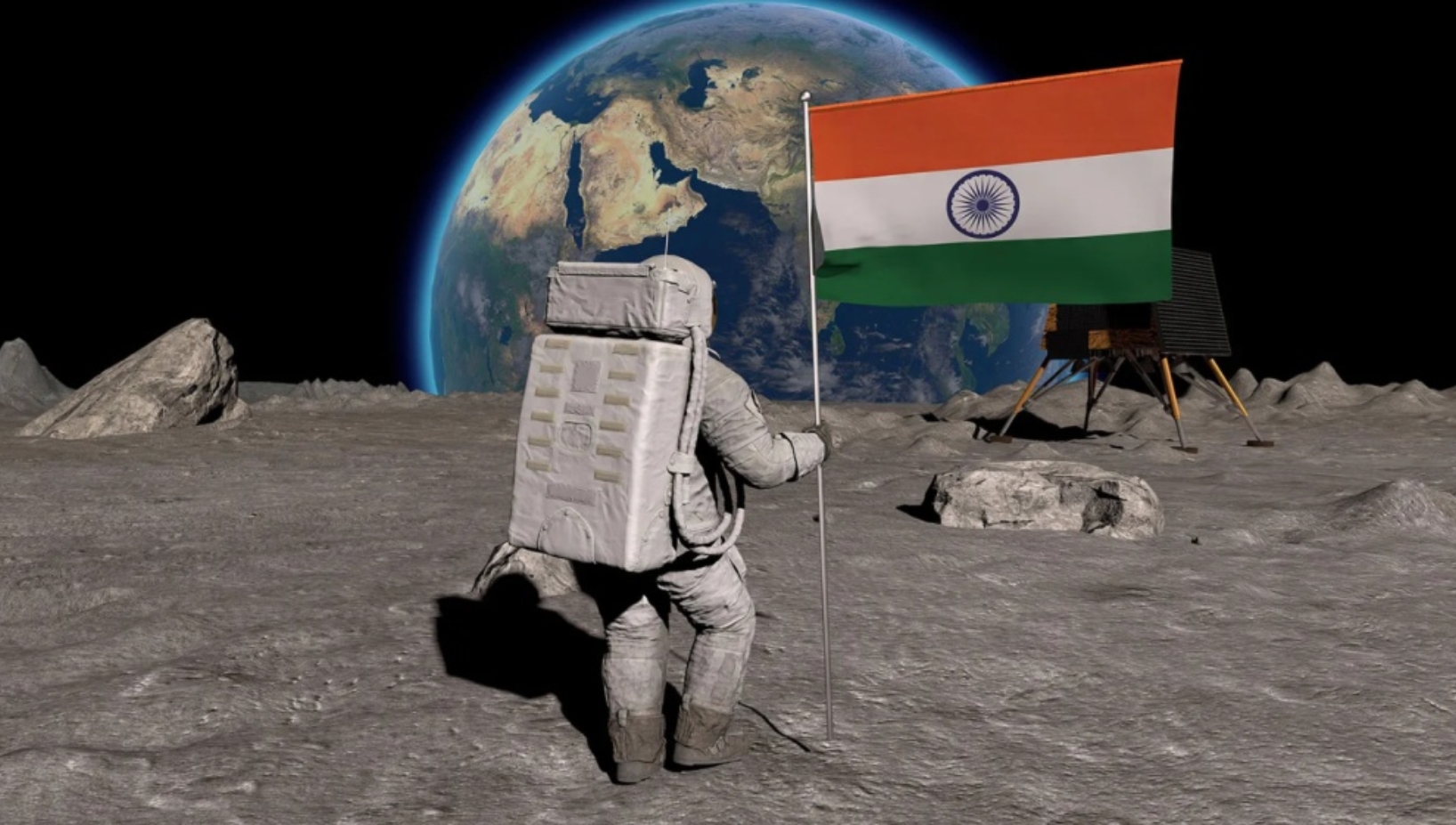
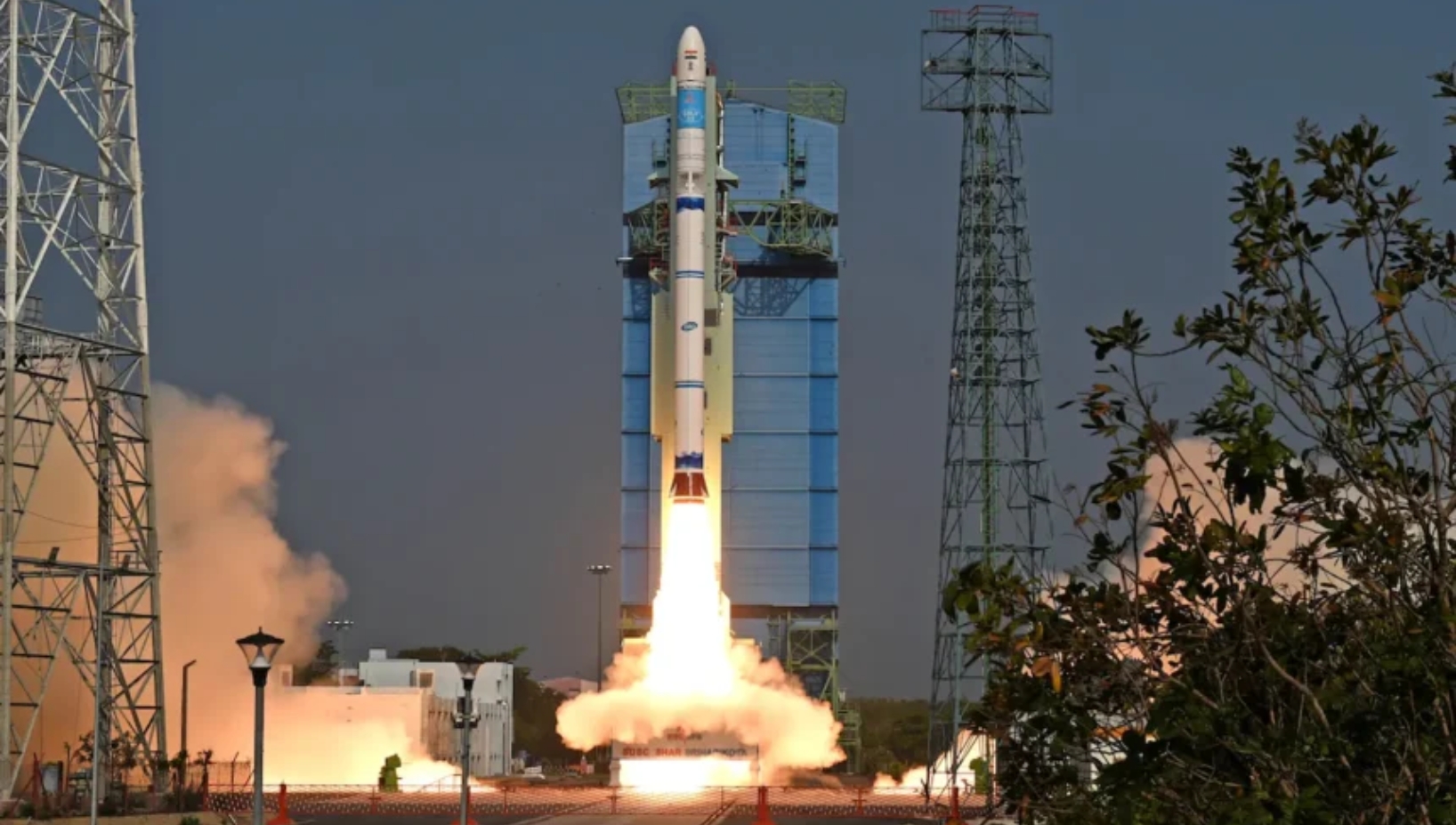
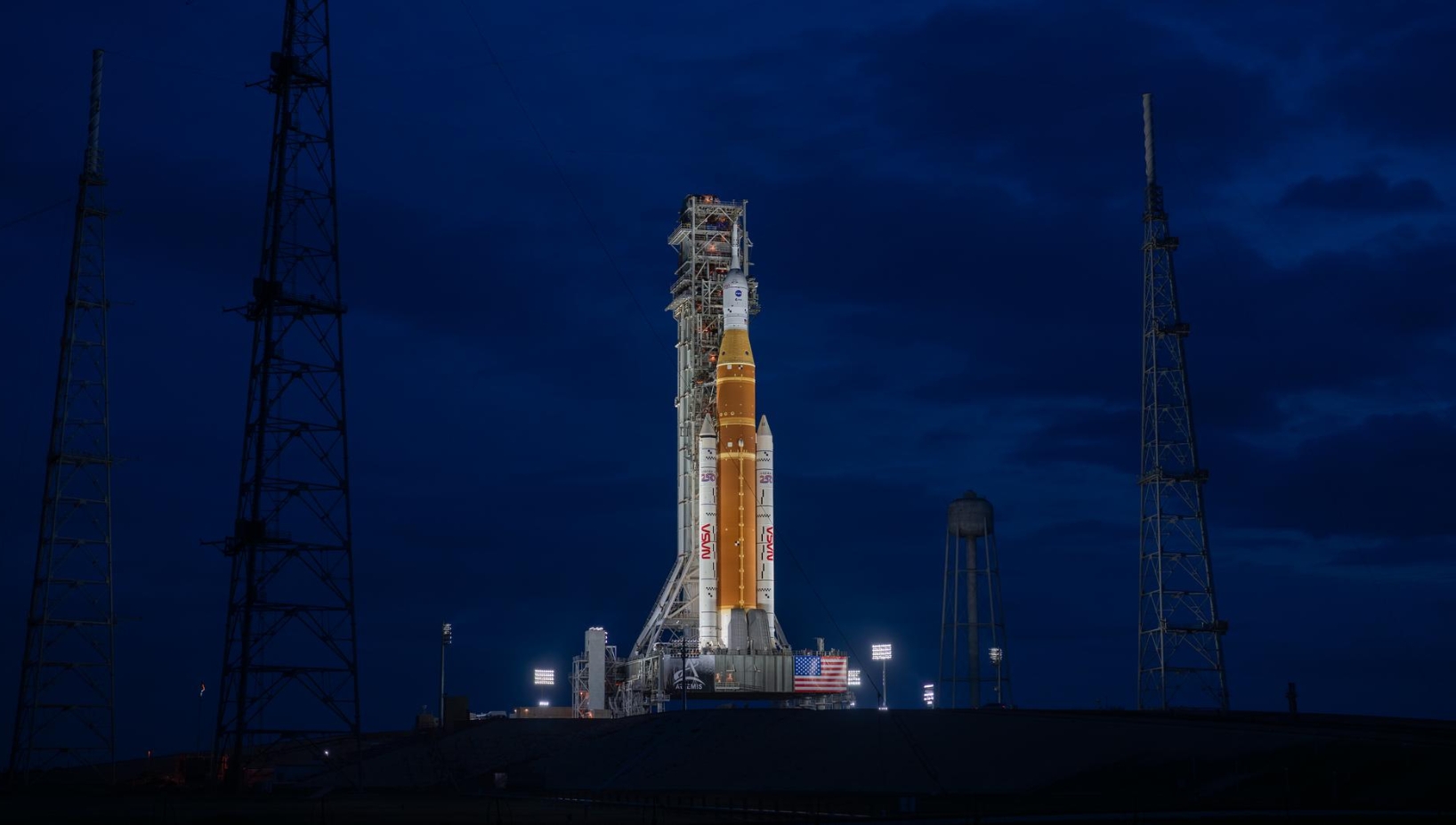
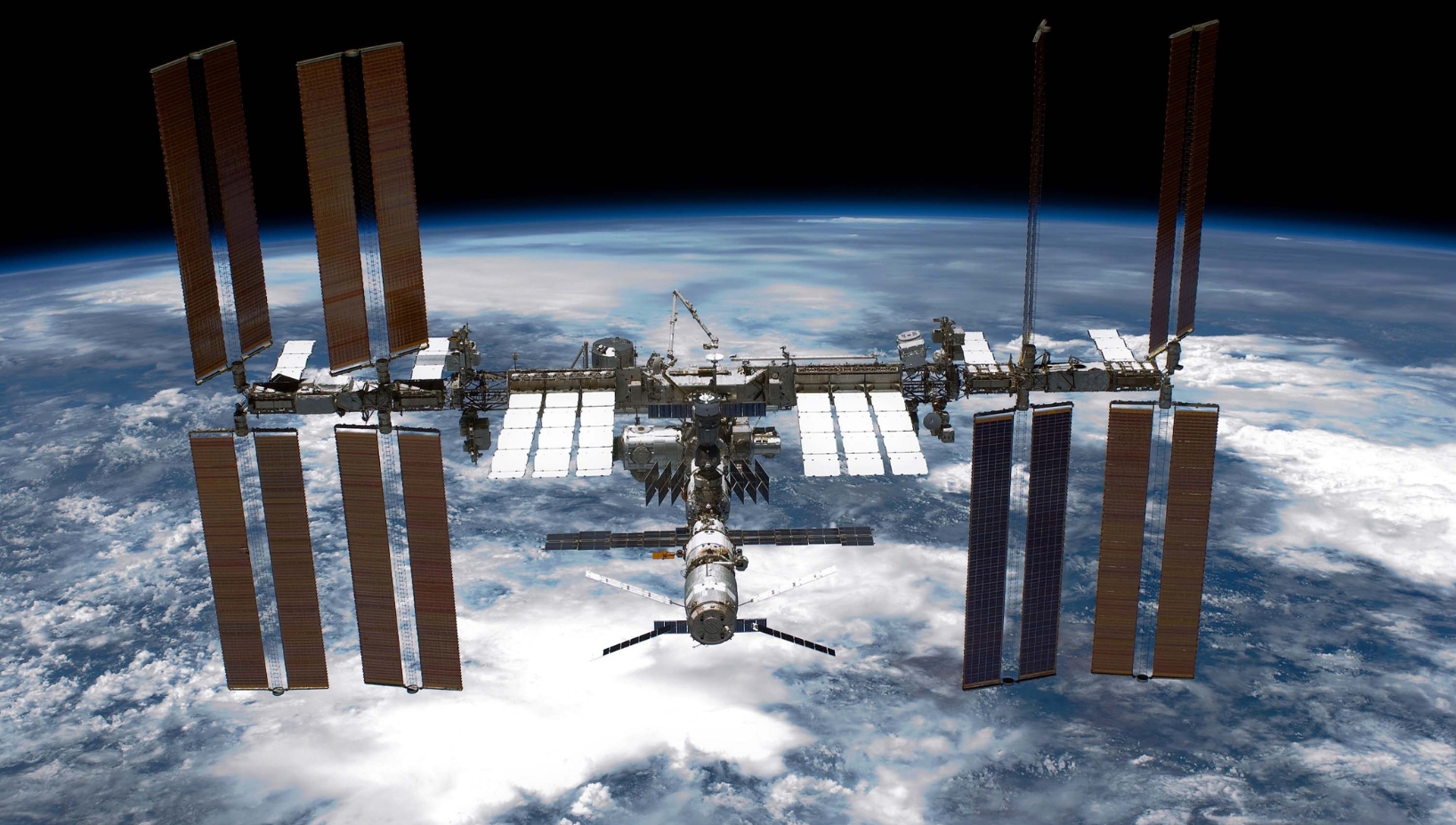
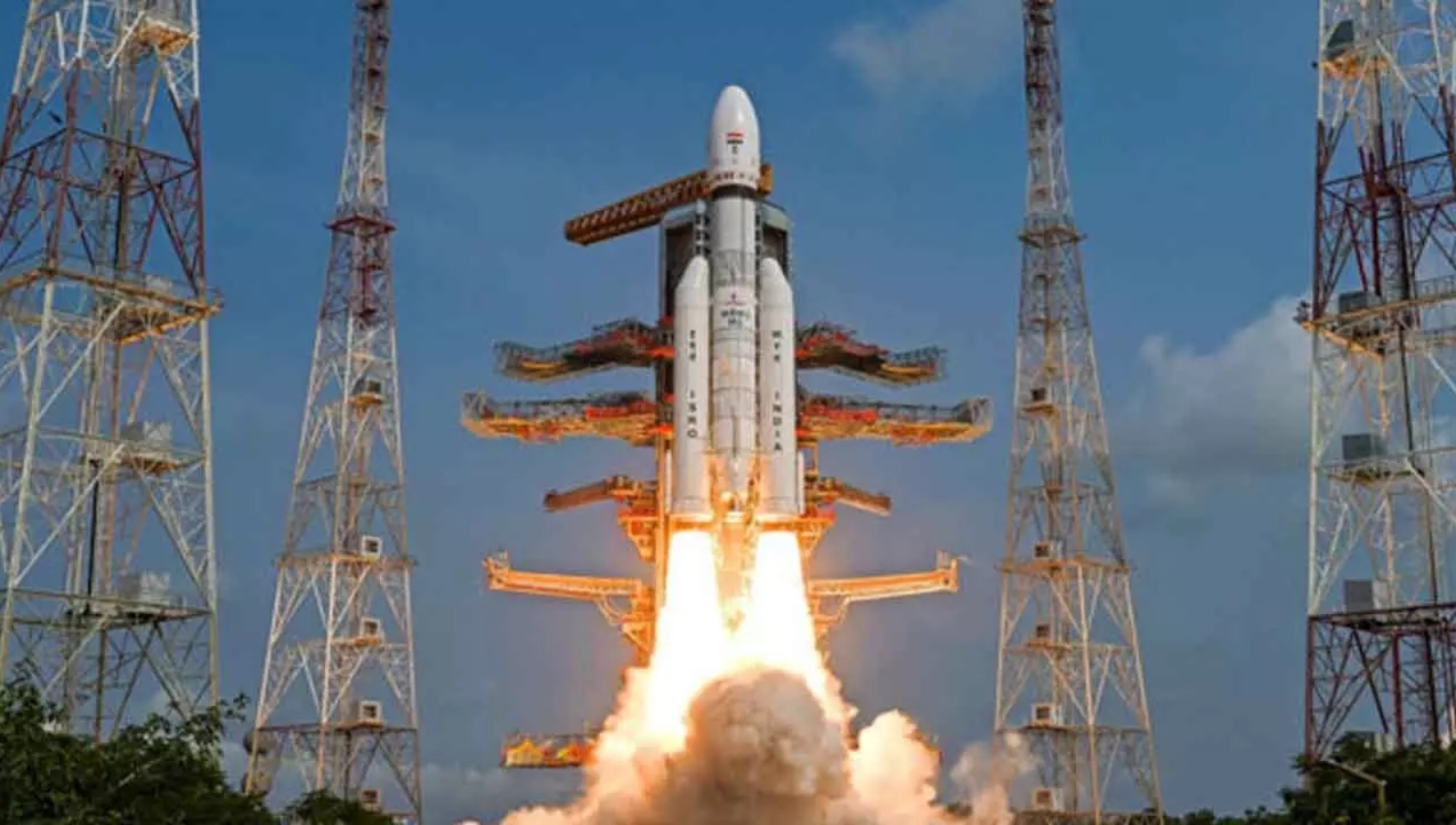
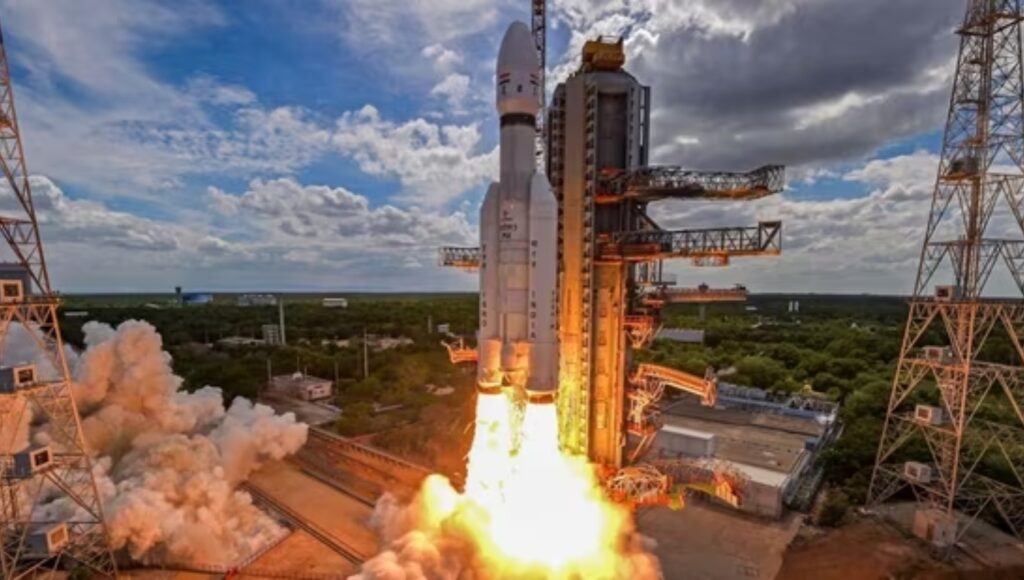
India’s space programme may soon take on an unexpected but increasingly critical challenge: managing the world’s exploding volumes of data. Recent reports suggest that the Department of Space (DoS) and ISRO are studying the feasibility of placing “physical data centres” in orbit, allowing certain satellite and communications data to be processed and stored directly in space instead of being transmitted first to Earth.
The concept is essentially edge computing in orbit, bringing data processing closer to where information is generated. As modern satellites produce higher-resolution images, faster data streams, and continuous signals, the pressure on ground infrastructure and downlink bandwidth is growing. If implemented, this would mark a shift in how satellites operate—from simple data collectors to intelligent systems capable of processing information before sending only the most relevant outputs to Earth.
Currently, India relies on ground-based facilities such as the Indian Space Science Data Centre (ISSDC), which handles data from missions like Chandrayaan-1, Astrosat, and the Mars Orbiter Mission. The new idea would move part of this workload off-planet, especially for time-sensitive tasks such as screening, compression, prioritisation, and first-level analytics.
However, the DoS has clarified that the proposal remains at a study and concept stage, not a confirmed programme. While the promise is to reduce bottlenecks and smarter satellite operations, the engineering challenge is significant; space is a harsh environment for anything resembling a traditional data centre.