



































































































































































![In my last role at [Previous Company], I reduced cost-per-lead on Google Ads by 28% and improved conversions by 40% through campaign restructuring and remarketing. On social media, I boosted engagement by 45% and increased website traffic by 30% using interactive content and influencer collaborations.](https://www.asiaonemedia.com/wp-content/uploads/2025/09/Economy-India-and-UK-Partner-for-Sustainable-Smart-Cities-1024x580.jpg)































































India’s Chemical Export Plan Gains Momentum with Port Cluster Development


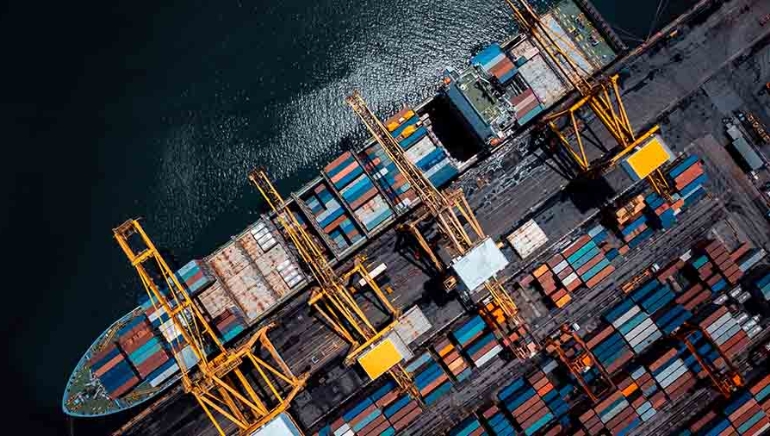
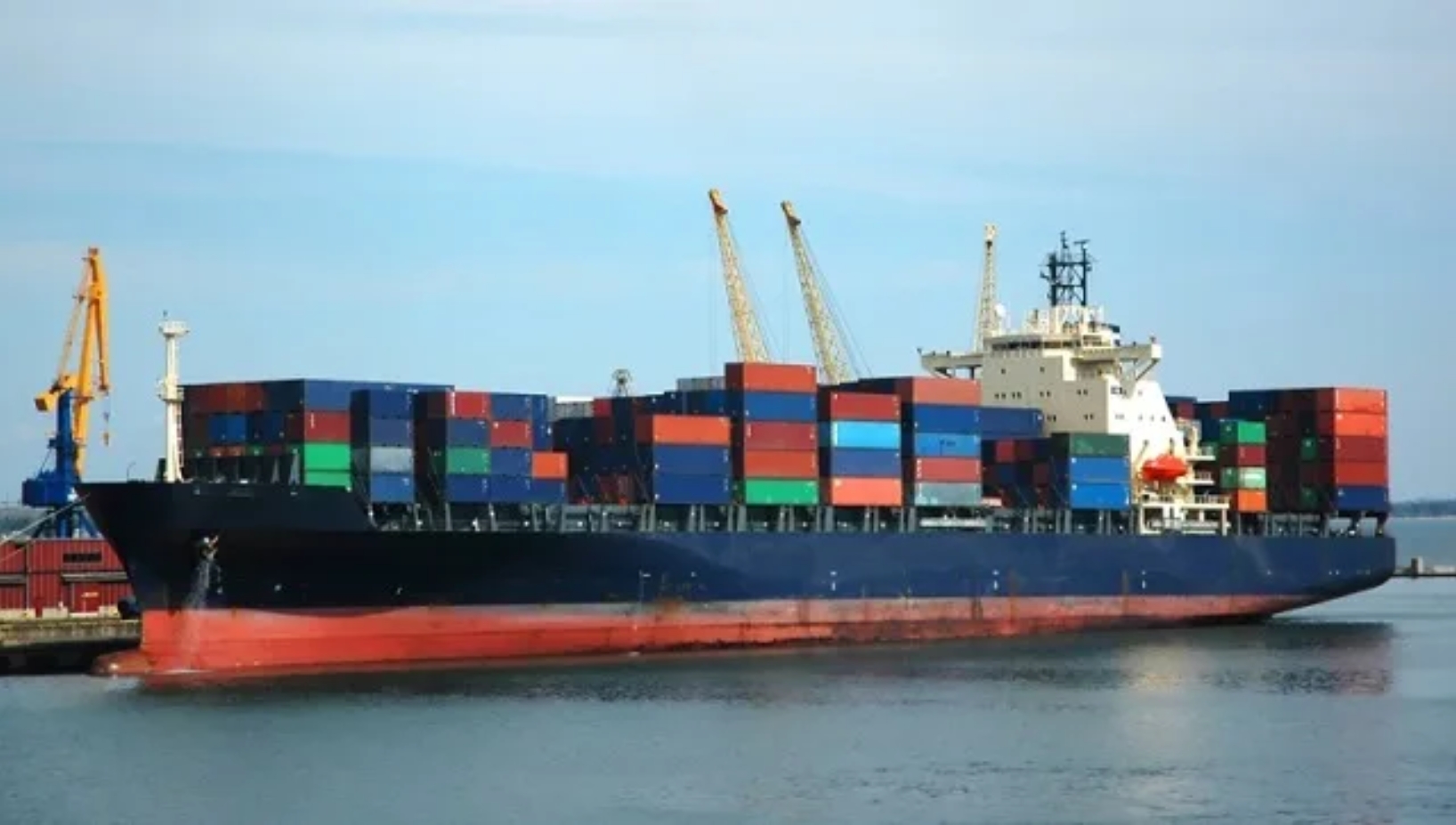
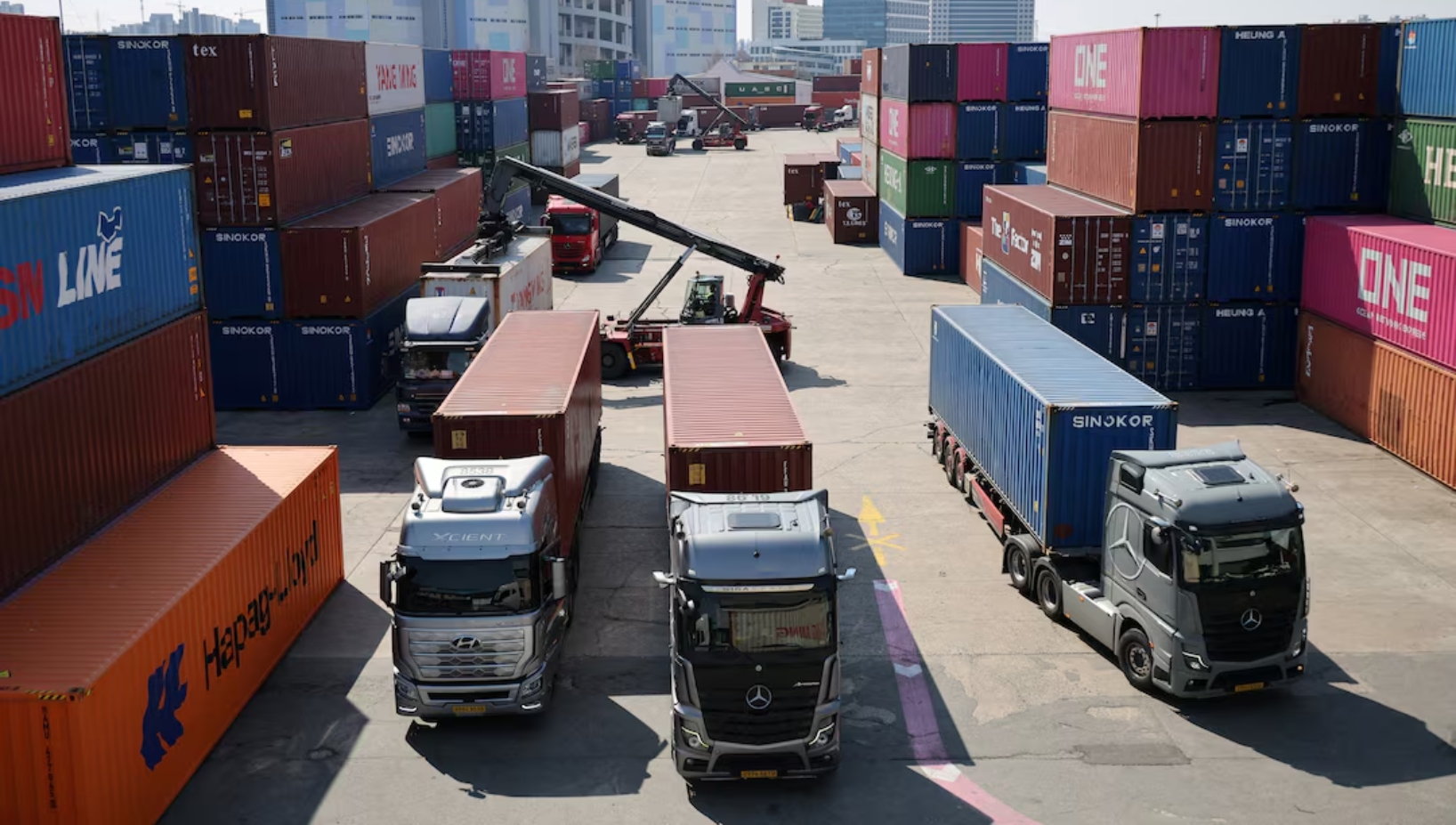
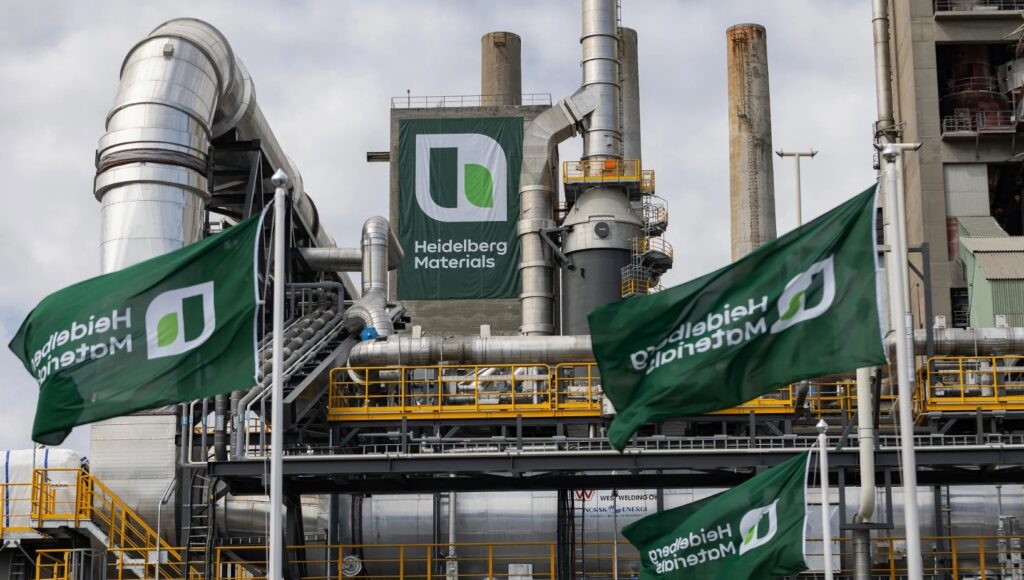
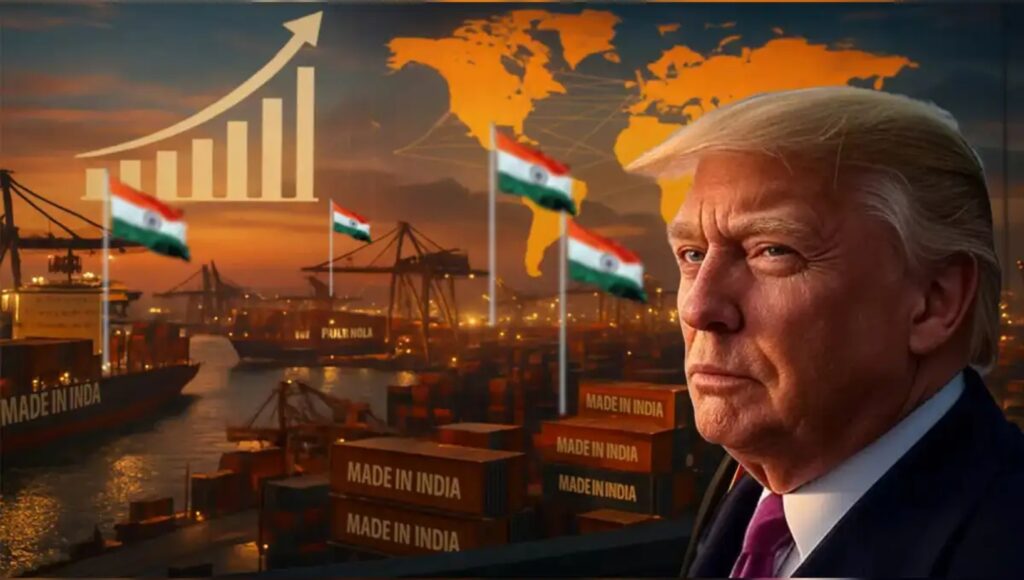
India is implementing a strategic plan to transform itself into a global chemical export hub by 2030, to nearly double its current export levels of $44 billion. The strategy prioritises large upgrades at port-based clusters and new production zones, together with suggested sales-linked incentive schemes to drive growth in high-value speciality chemicals.
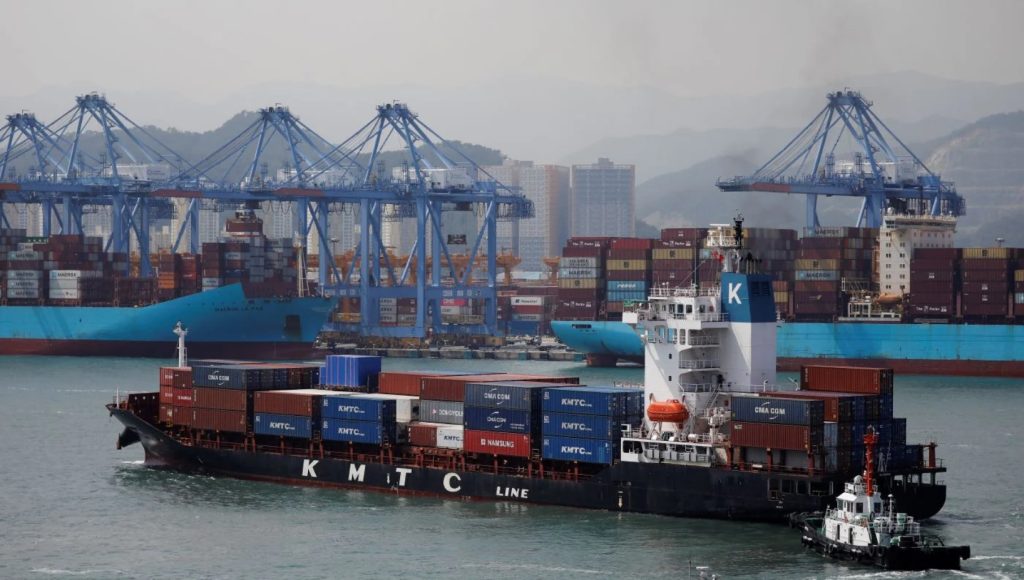
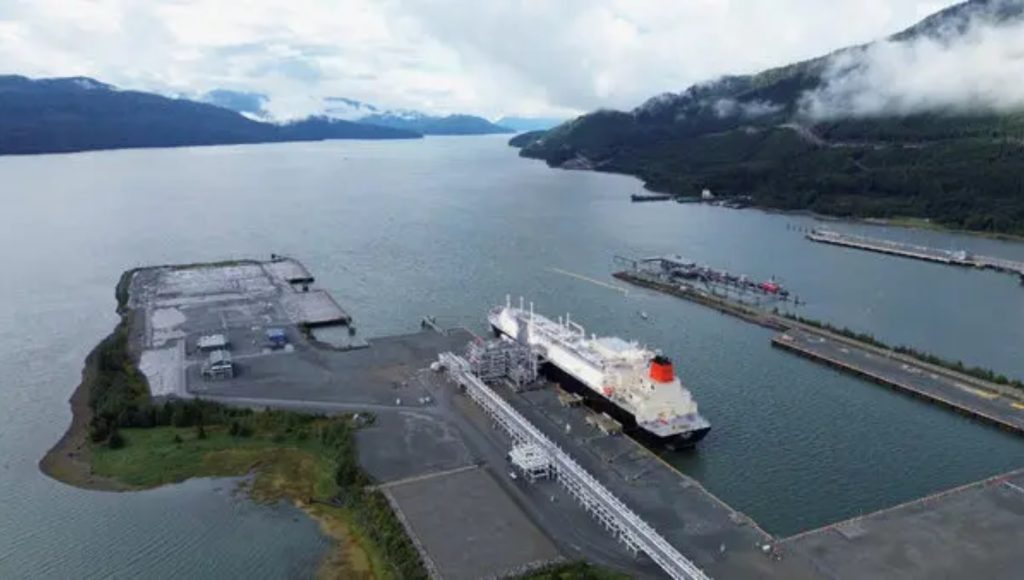
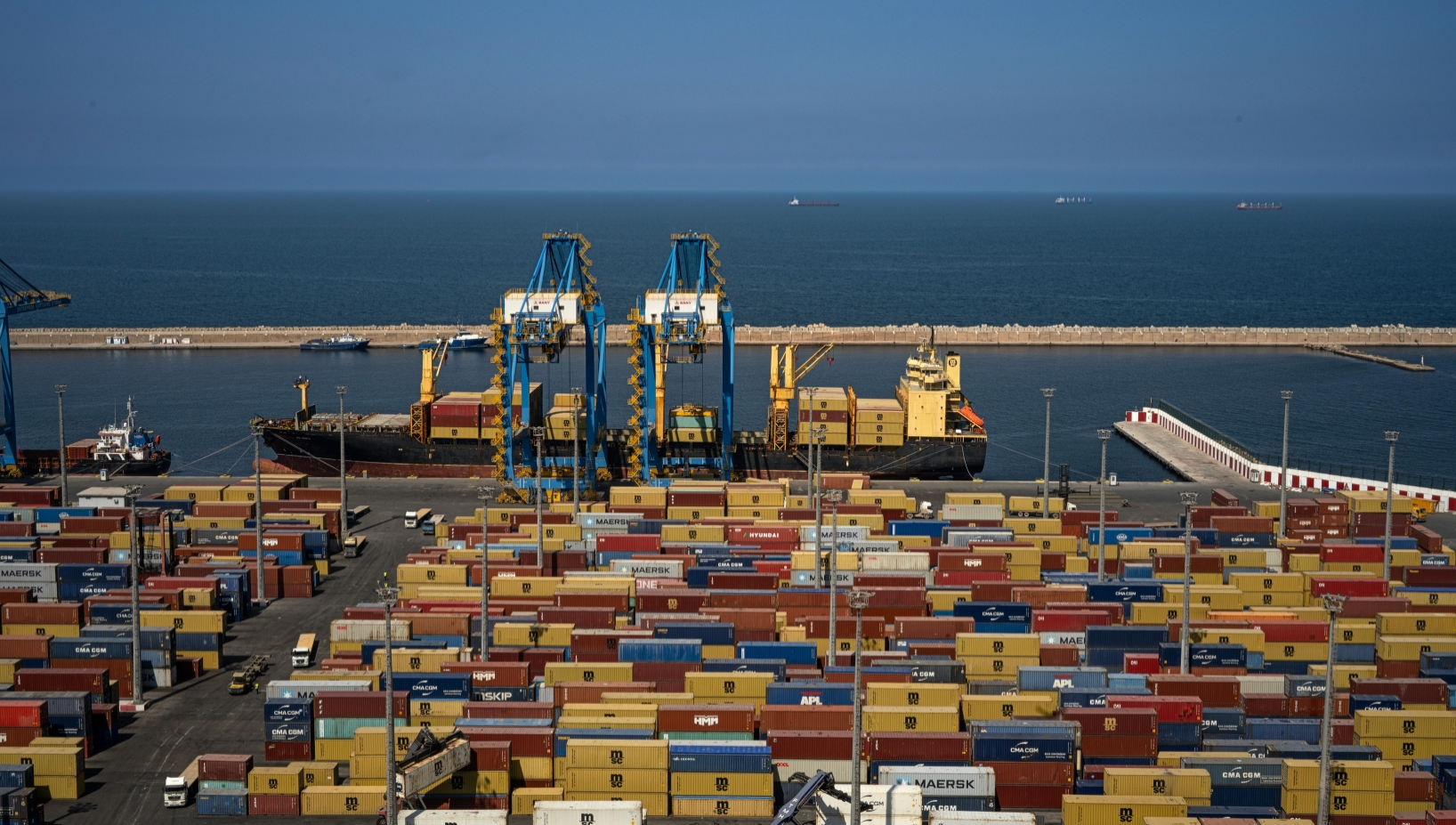
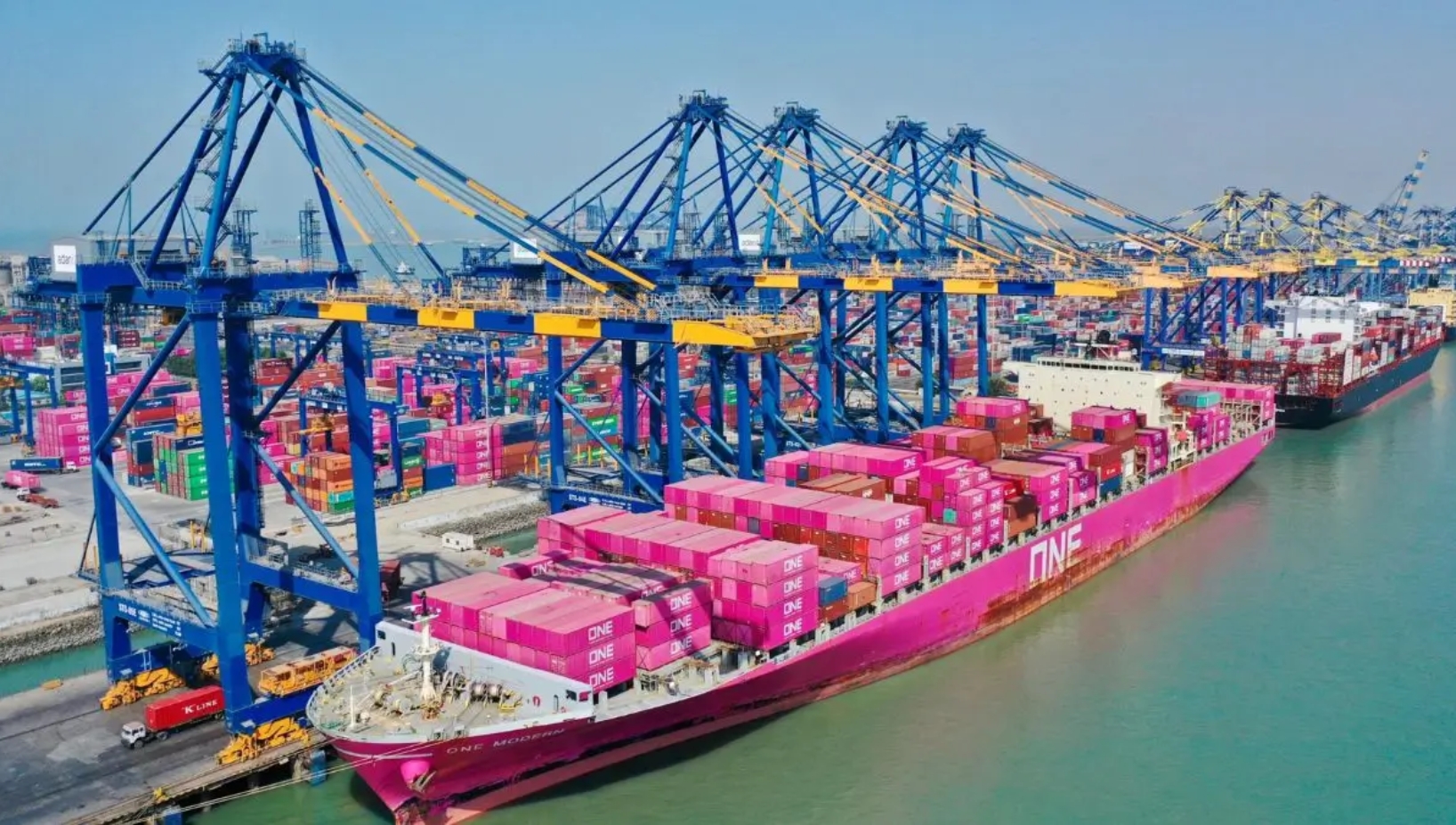
India’s top policy think tank has recommended opex-linked subsidies and cluster-based development around ports to reduce the sector’s $31 billion trade deficit. The goal is to boost chemical exports to between $75 billion and $80 billion by 2030. The paper advises reforming current PCPIRs in Gujarat, Odisha, and Andhra Pradesh, as well as identifying eight high-potential clusters spread throughout large and minor ports.
Experts highlight inadequate infrastructure and slow regulatory clearances as major barriers to growth, with India holding just 3.5% of global chemical value chains against China’s 23%.
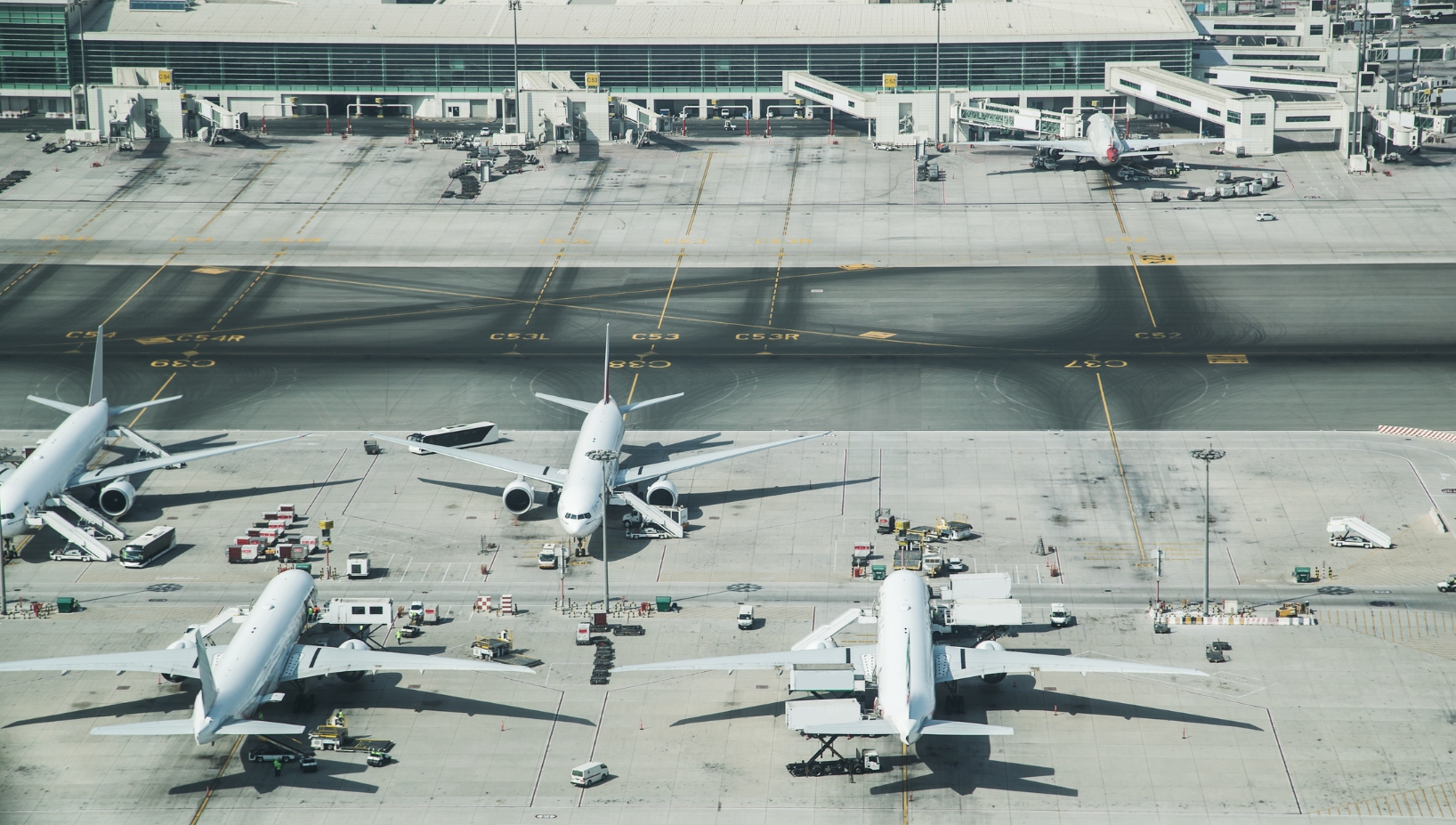
The proposed plan seeks to reduce import dependence by localising manufacturing in segments such as dyes, battery materials, and pharmaceutical intermediates. A separate Chemical Committee is planned to examine infrastructure deficiencies and offer scalable logistics solutions for ports. Anchor regions such as Dahej, Vizag, and Paradeep are expected to lead these initiatives.

