












































































































































































































![In my last role at [Previous Company], I reduced cost-per-lead on Google Ads by 28% and improved conversions by 40% through campaign restructuring and remarketing. On social media, I boosted engagement by 45% and increased website traffic by 30% using interactive content and influencer collaborations.](https://www.asiaonemedia.com/wp-content/uploads/2025/09/Economy-India-and-UK-Partner-for-Sustainable-Smart-Cities-1024x580.jpg)






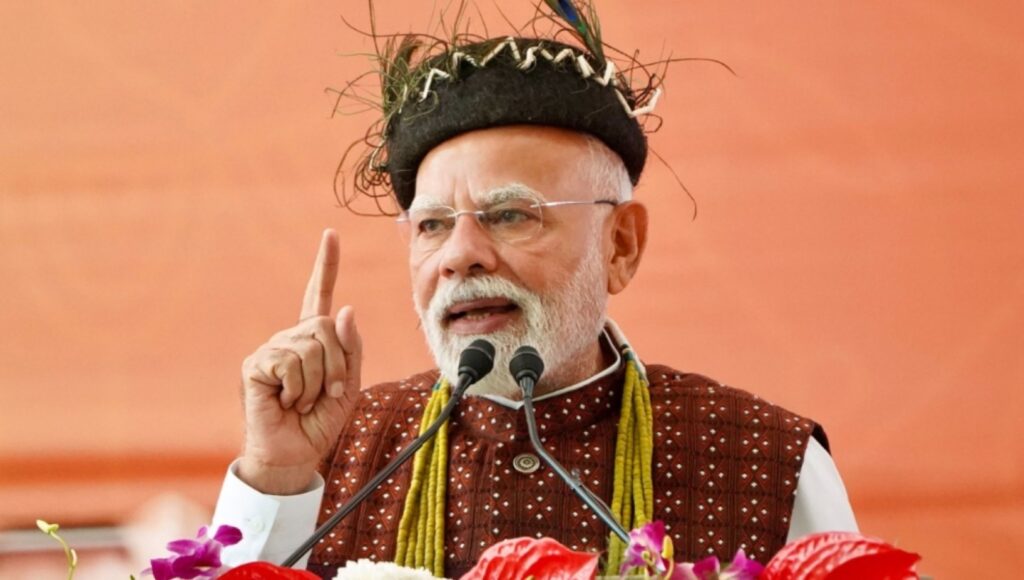







































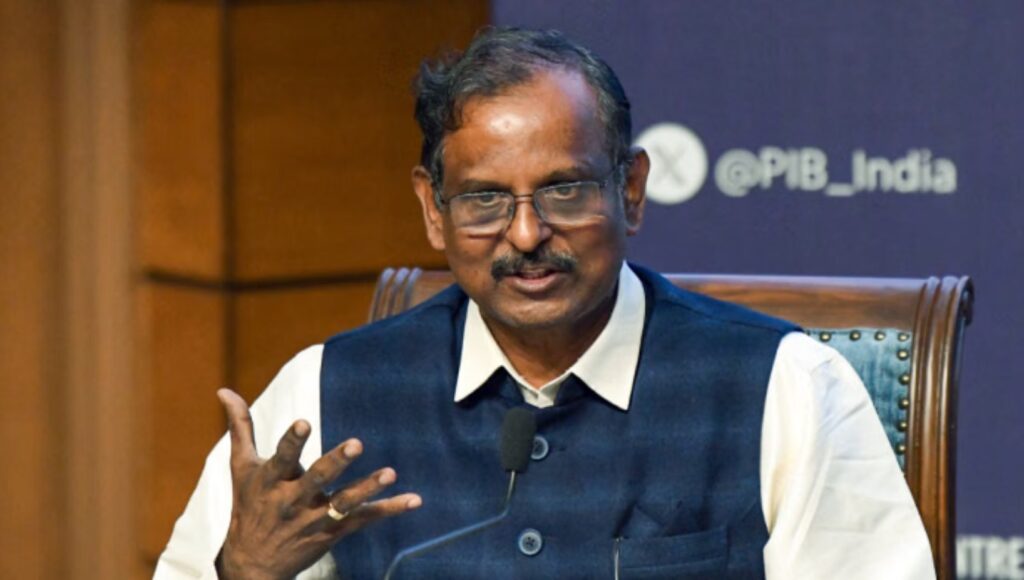
























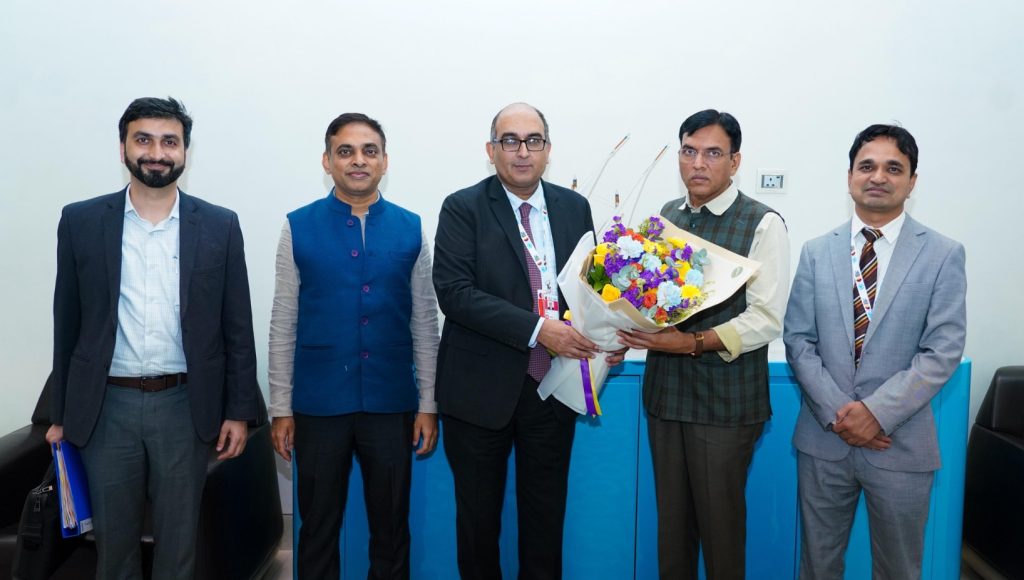
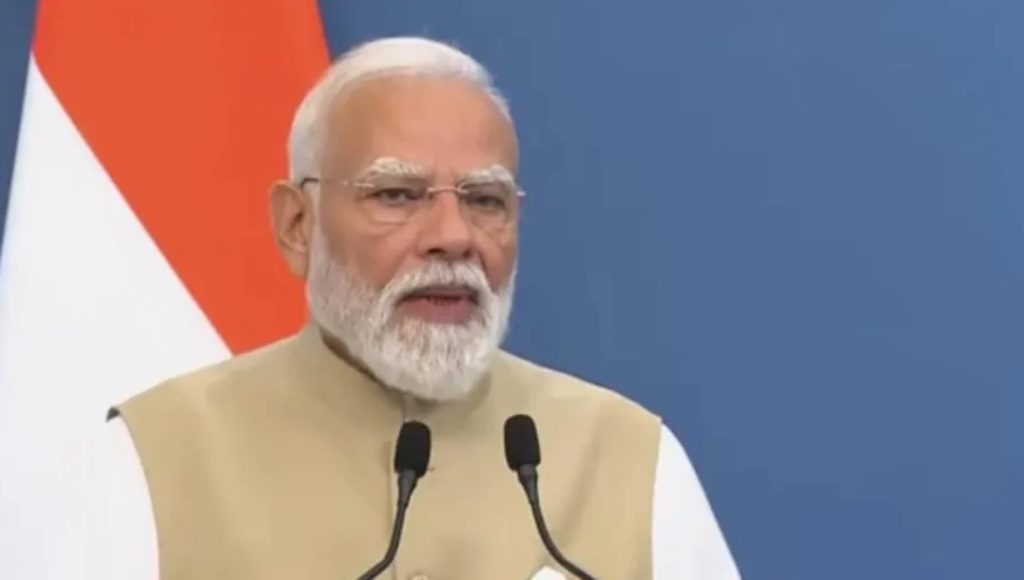
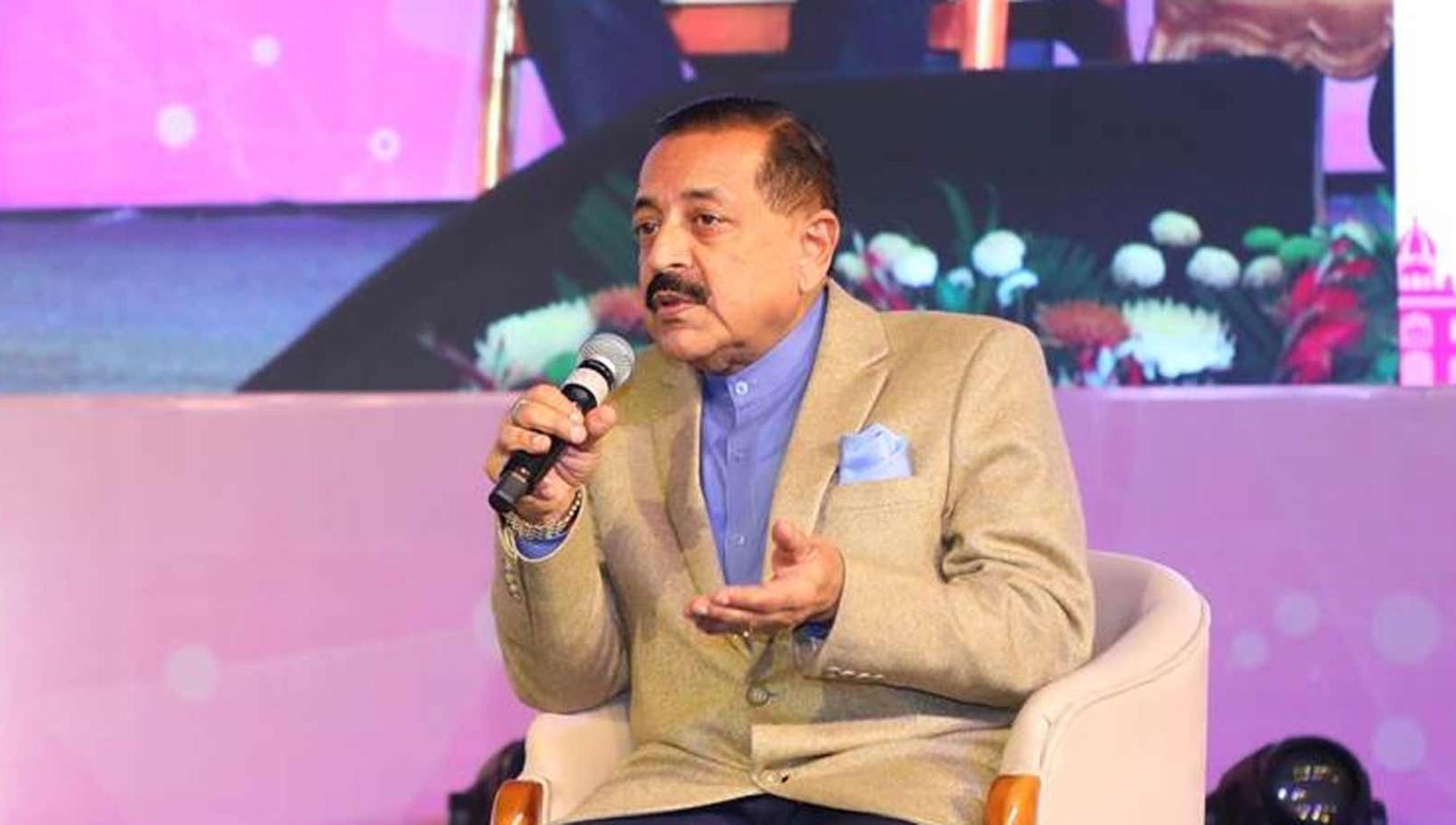
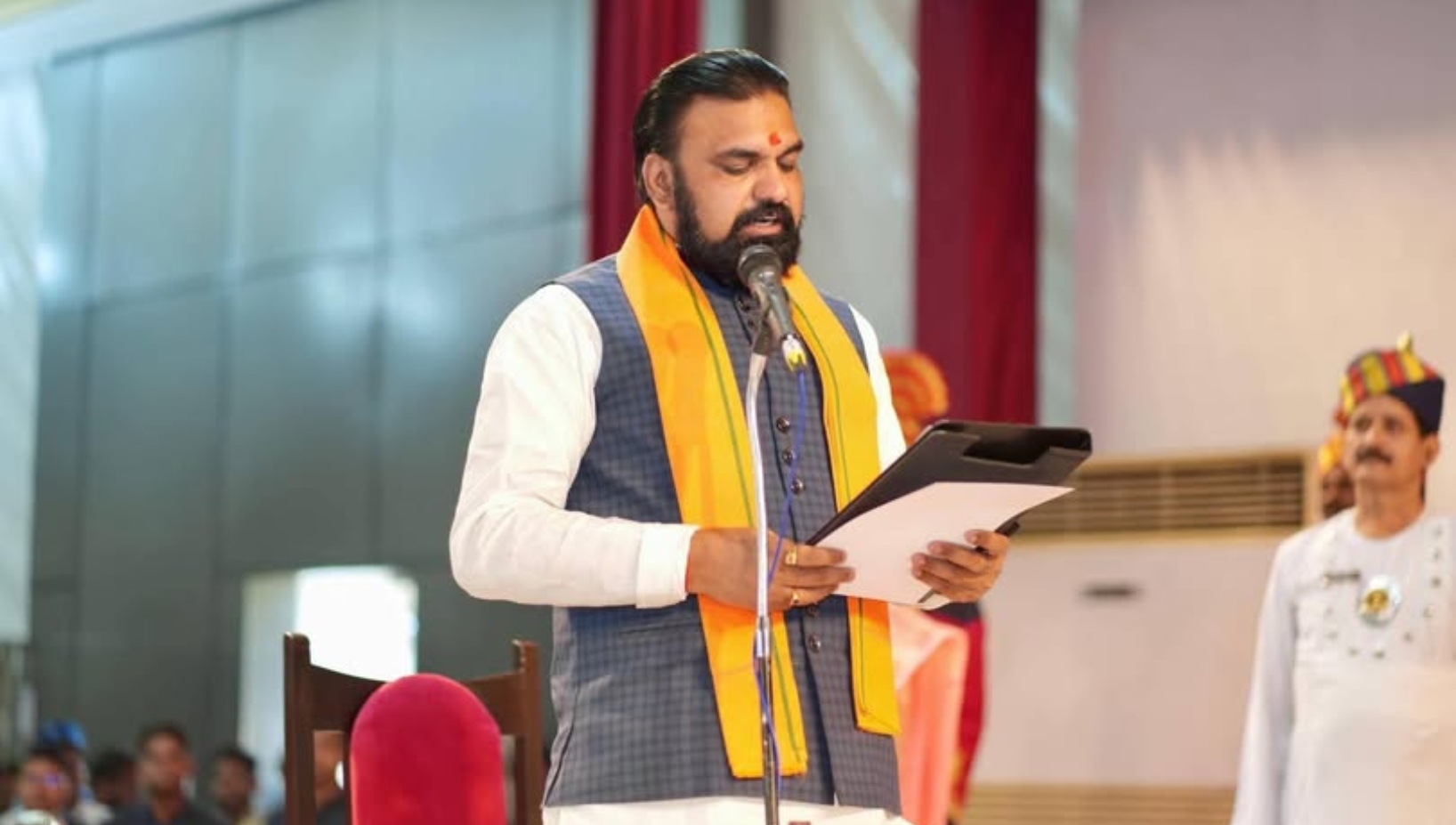
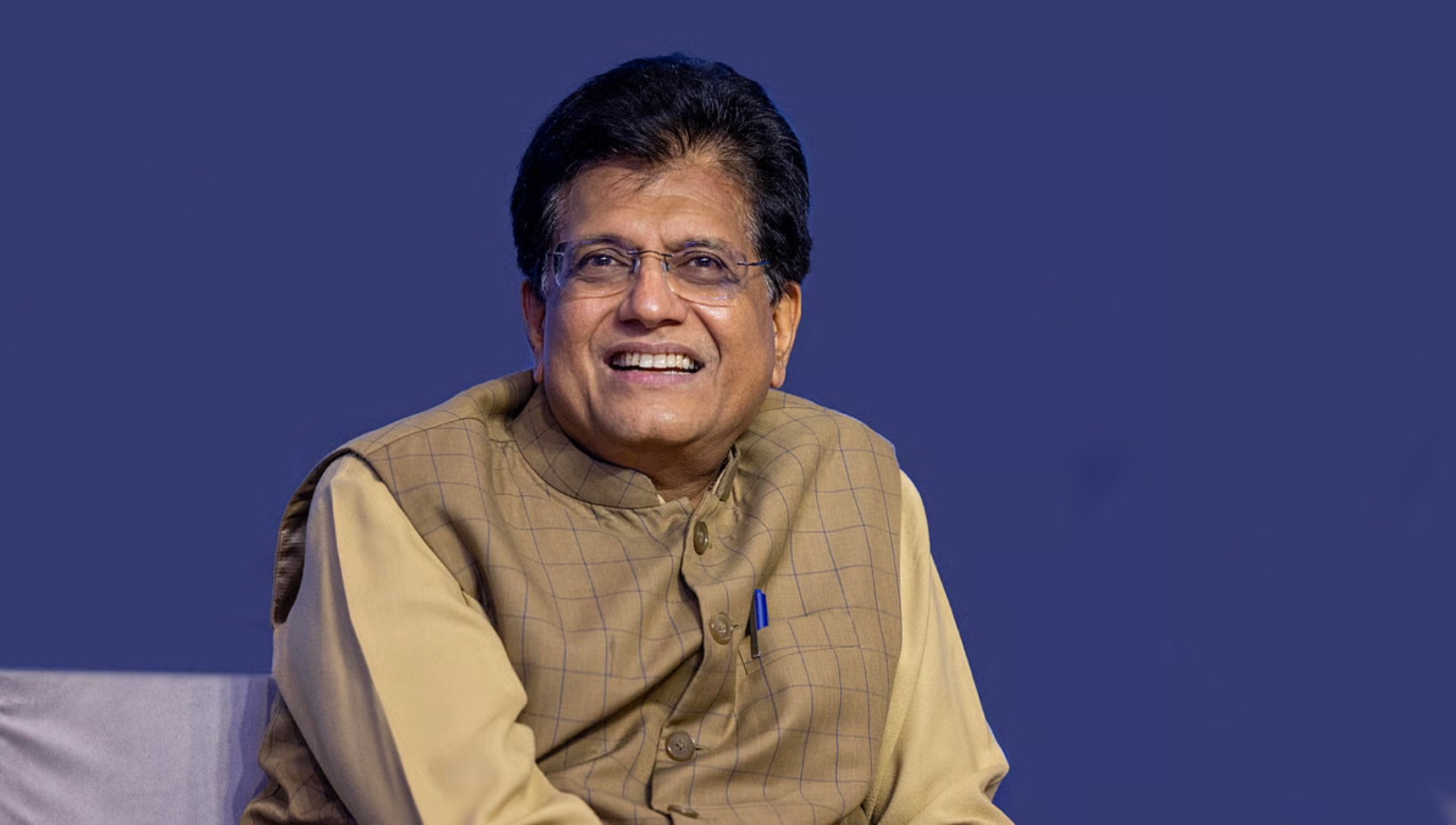
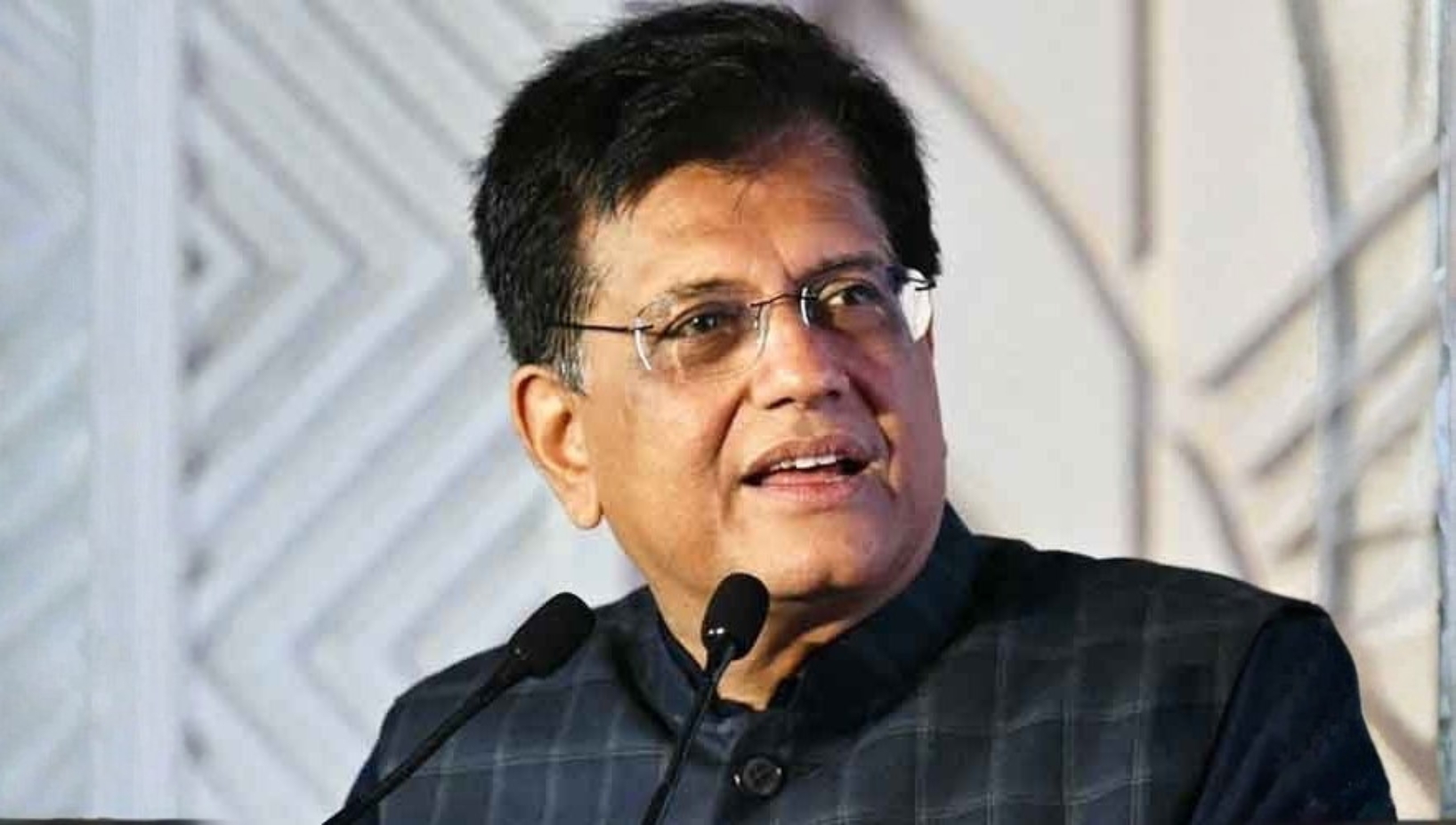
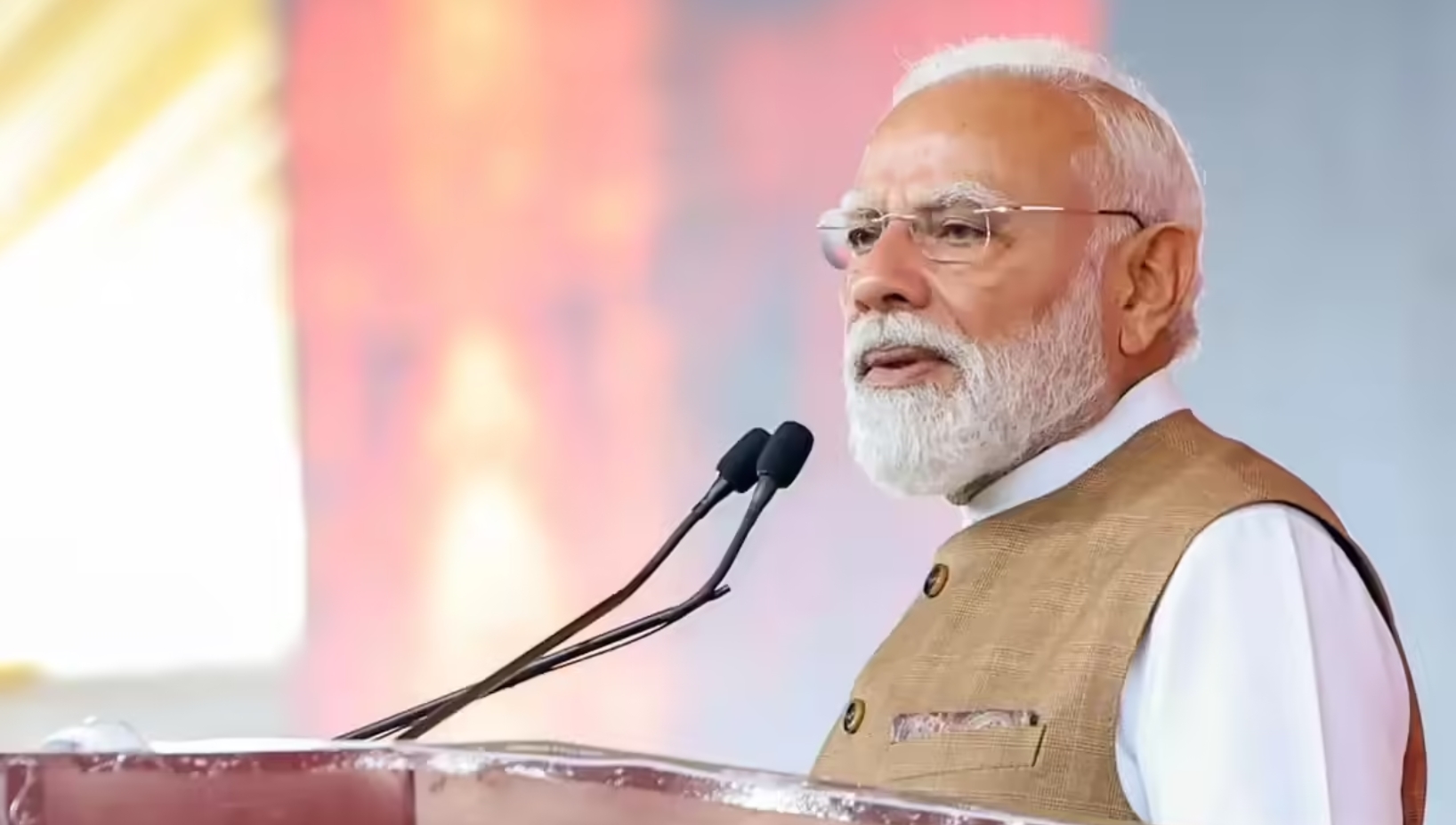
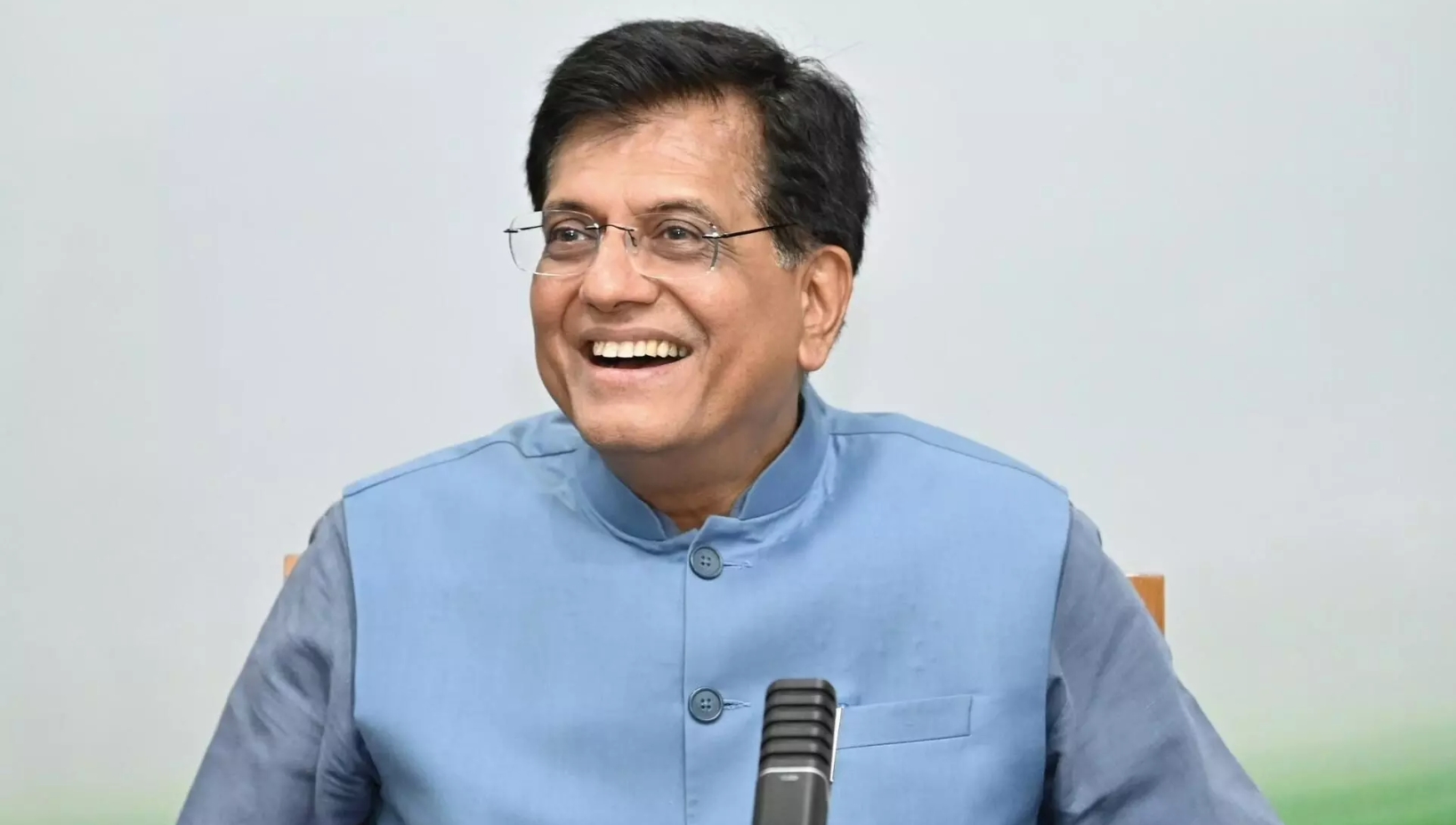
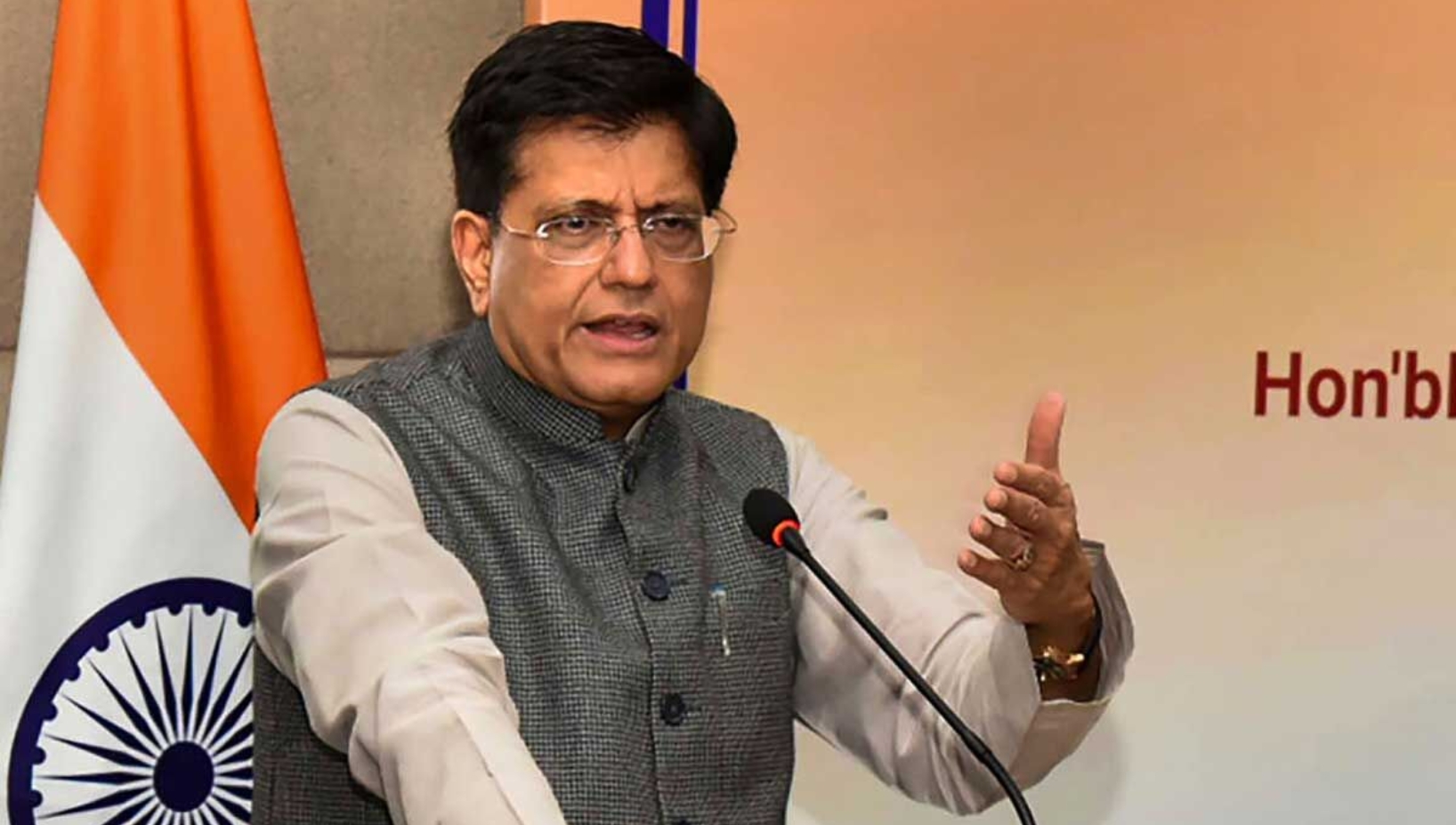
Shri Prahlad Joshi, Hon’ble Minister of New & Renewable Energy; and Consumer Affairs, Food and Public Distribution, Government of India, and Mr. Rajat Raj Shukal, AsiaOne Magazine’s Global Head, explore India’s Roadmap for Green Energy Transition and Sustainability

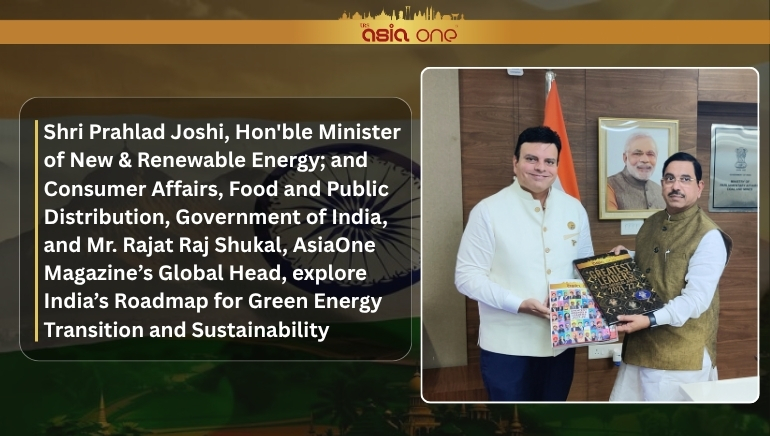
India’s emergence as a global leader in clean energy is characterised by scale, speed, and measurable outcomes. In an exclusive interaction with AsiaOne Magazine, Shri Prahlad Joshi, Hon’ble Minister of New & Renewable Energy; and Consumer Affairs, Food and Public Distribution, Government of India, engaged with Mr. Rajat Raj Shukal, Global Head and Principal Partner, to present a data-driven evaluation of India’s green energy transition and sustainability strategy.
The discussion highlighted how policy implementation, infrastructure development, and investment mobilisation are converging to position India as a benchmark for large-scale renewable adoption.
Systematic Policy Supported by Measurable Growth
Shri Prahlad Joshi emphasised that India’s renewable energy plan is grounded in execution measures rather than mere intent. In April 2025, the nation’s total installed renewable energy capacity reached 231.81 GW, a significant increase from 199.86 GW in the previous year, marking consistent double-digit growth.
India previously attained the 200 GW milestone in 2022, well ahead of schedule, showcasing robust governance efficiency and institutional alignment. This trajectory positions the nation firmly on track to attain its 500 GW non-fossil fuel target by 2030.
PM Surya Ghar Yojana: Scaling Household Solar Adoption
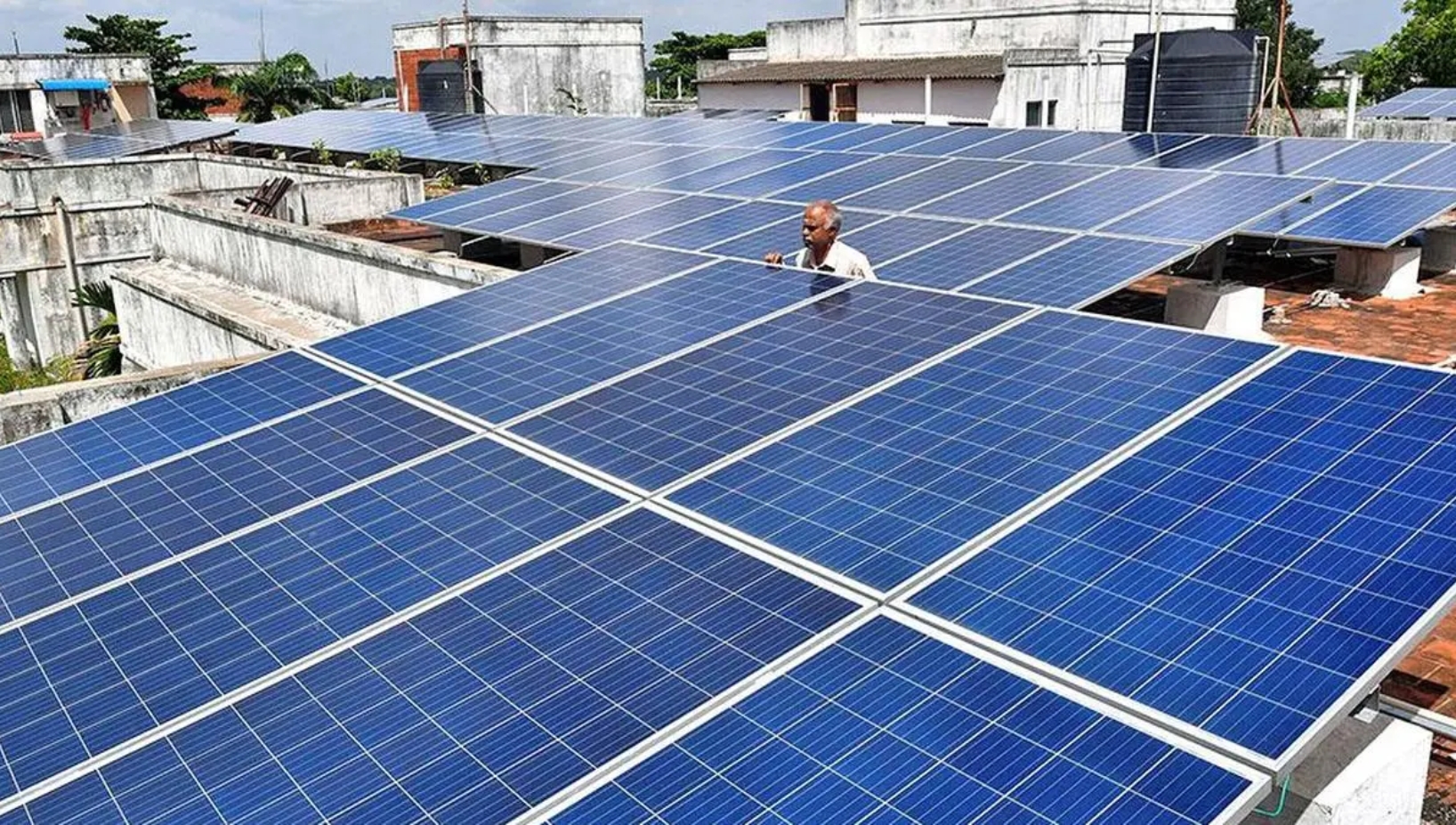
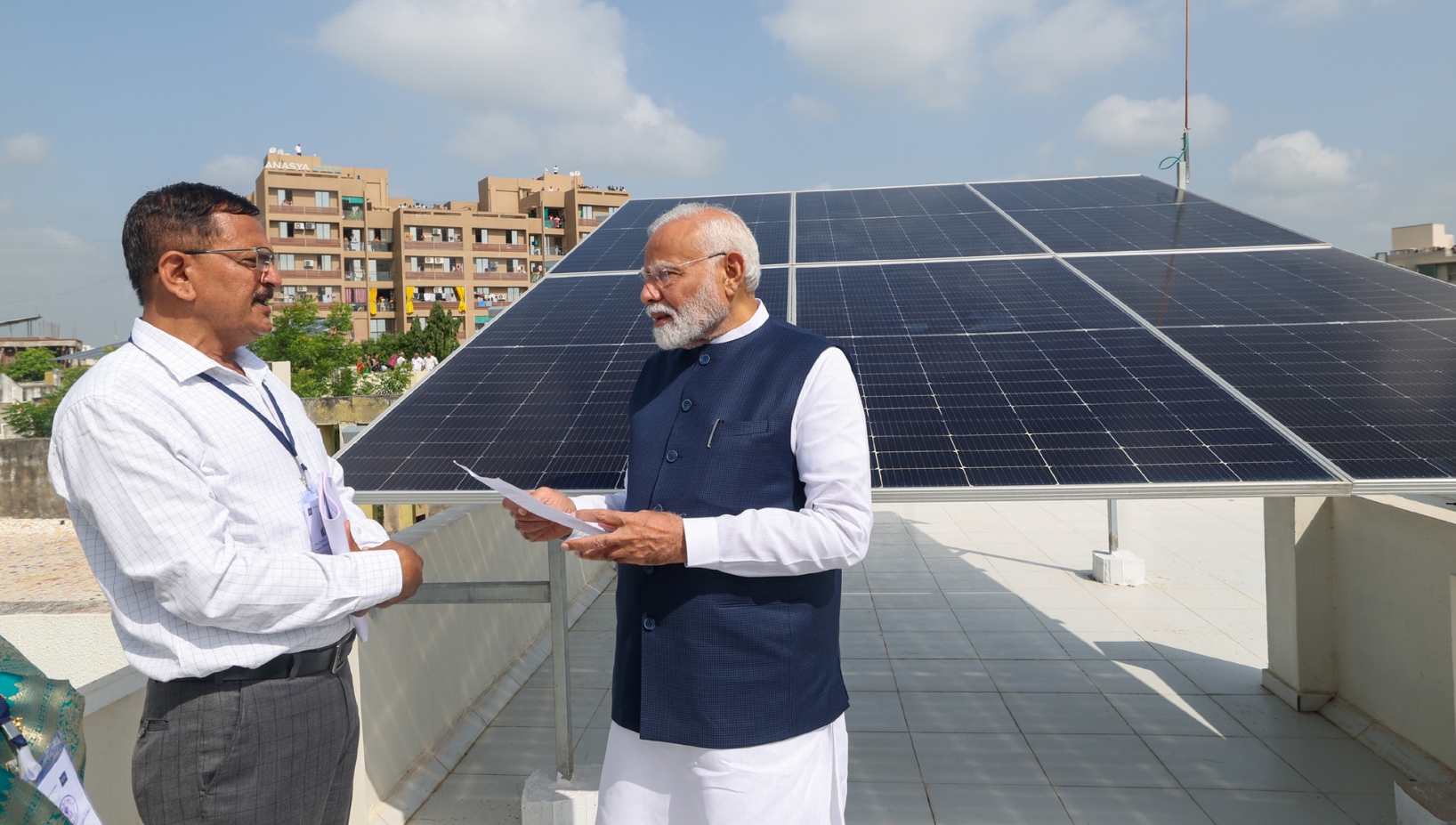
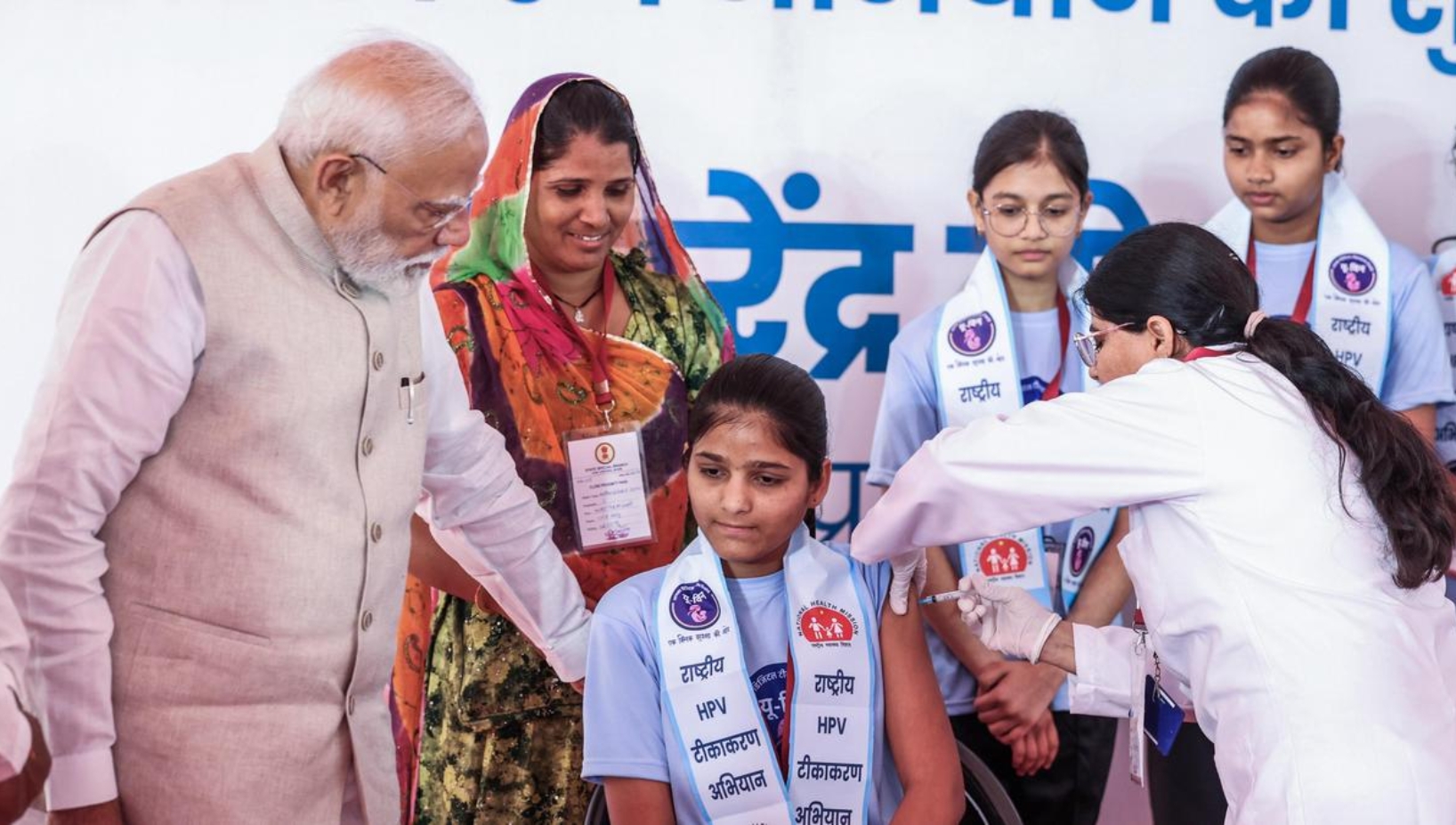
A primary catalyst for the decentralisation of energy transformation is the PM Surya Ghar: Muft Bijli Yojana. The effort has facilitated the solarisation of over 2 million households, signifying a notable change in consumption behaviour.
The initiative seeks to connect 1 crore households by March 2027, establishing a decentralised energy network that mitigates grid pressure and lowers electricity expenses for residents. This model reflects a structural shift where households are becoming active contributors to energy generation.
Shri Prahlad Joshi stated, “India’s clean energy transition is being executed with precision and scale, ensuring that sustainability translates into tangible economic and social value.”
Solar Energy Driving Capacity Expansion
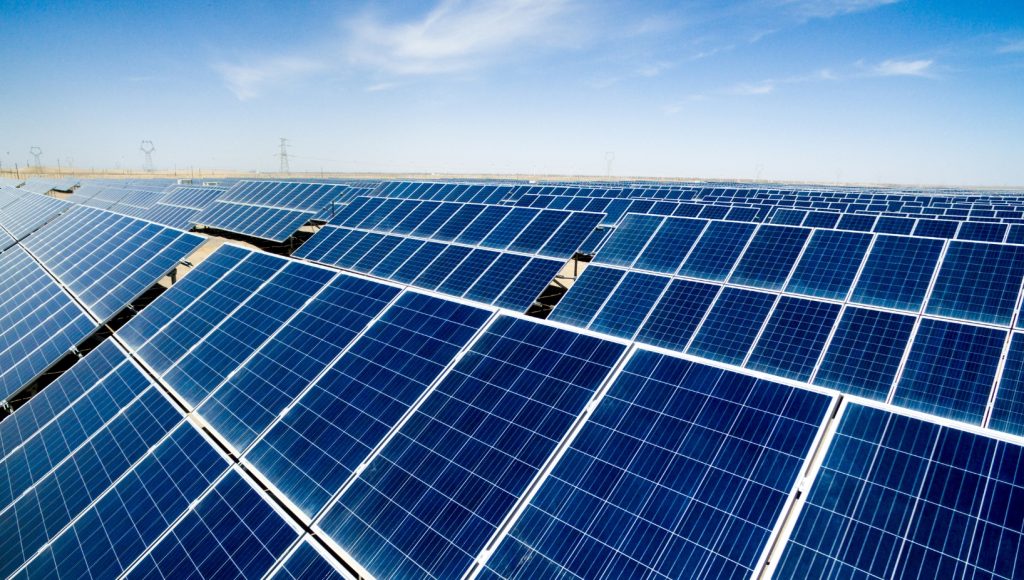
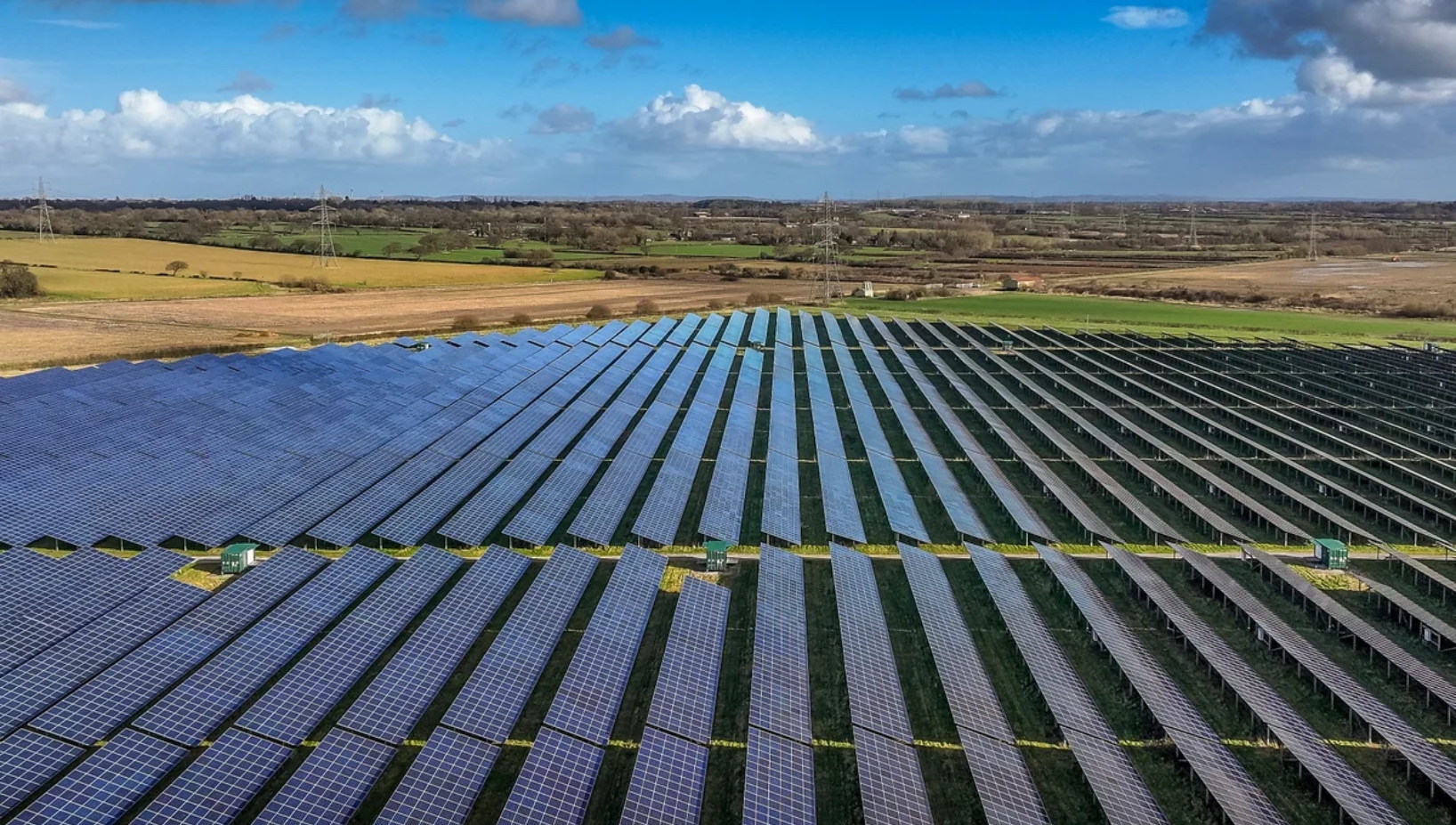
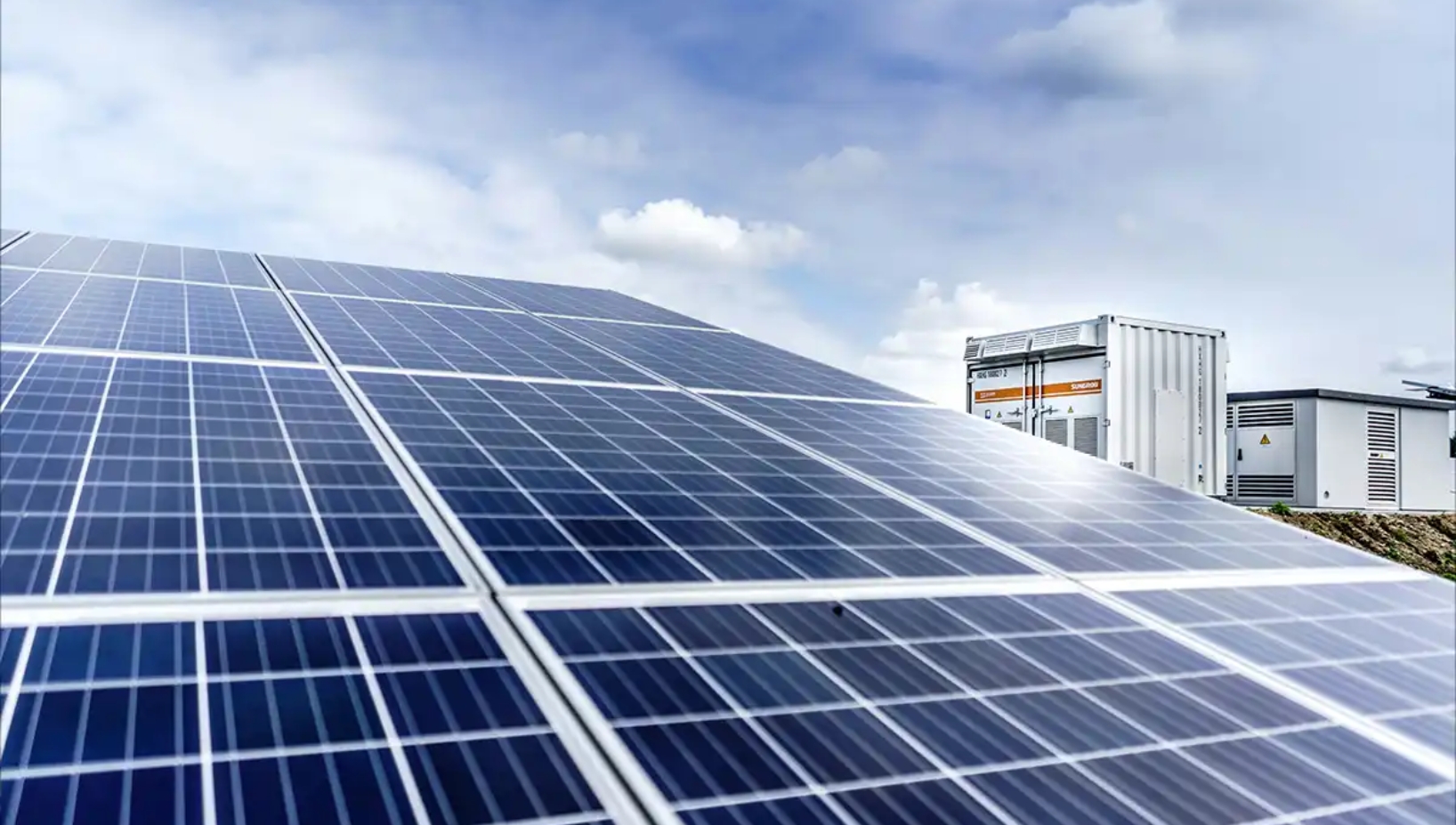
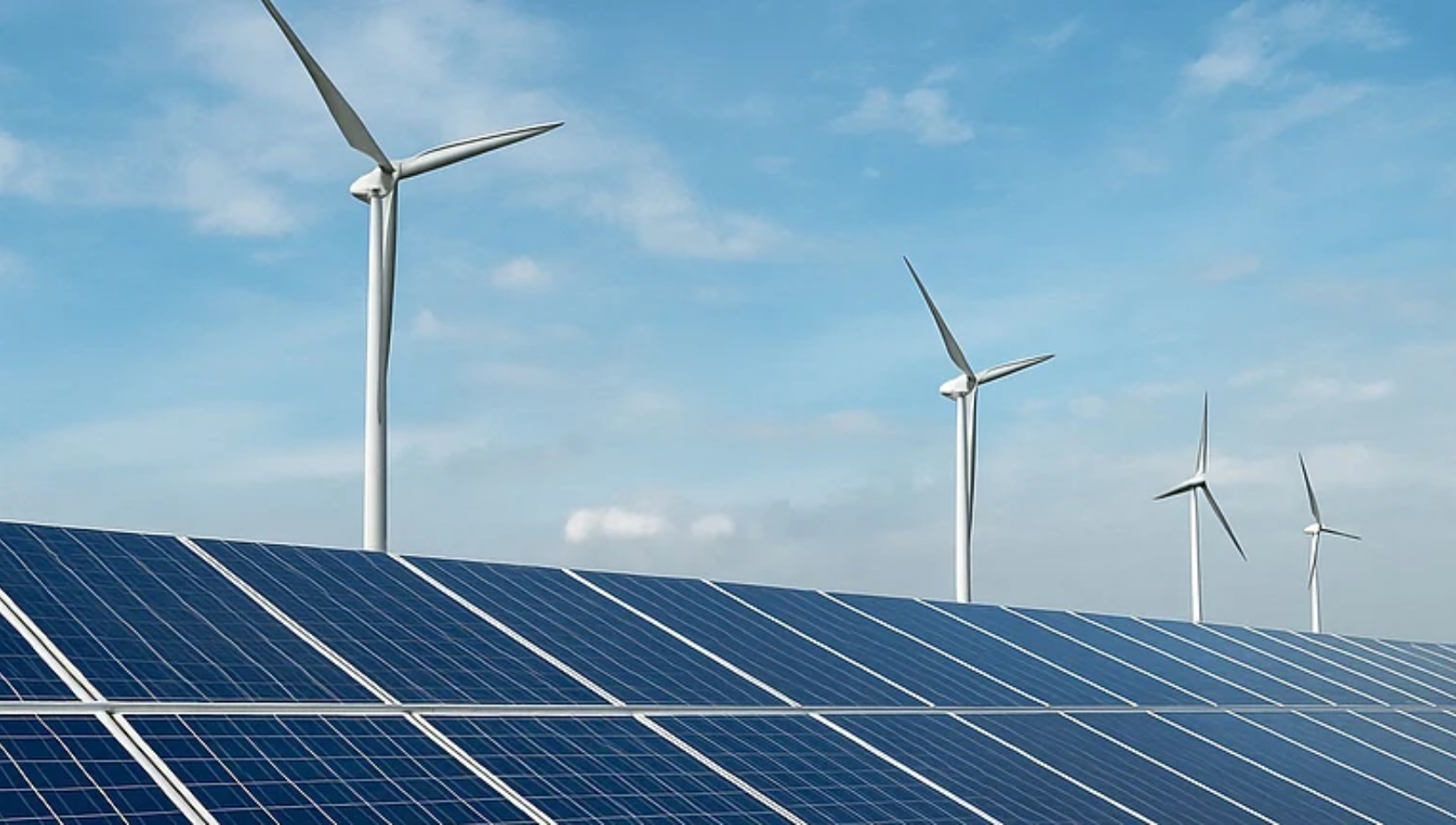
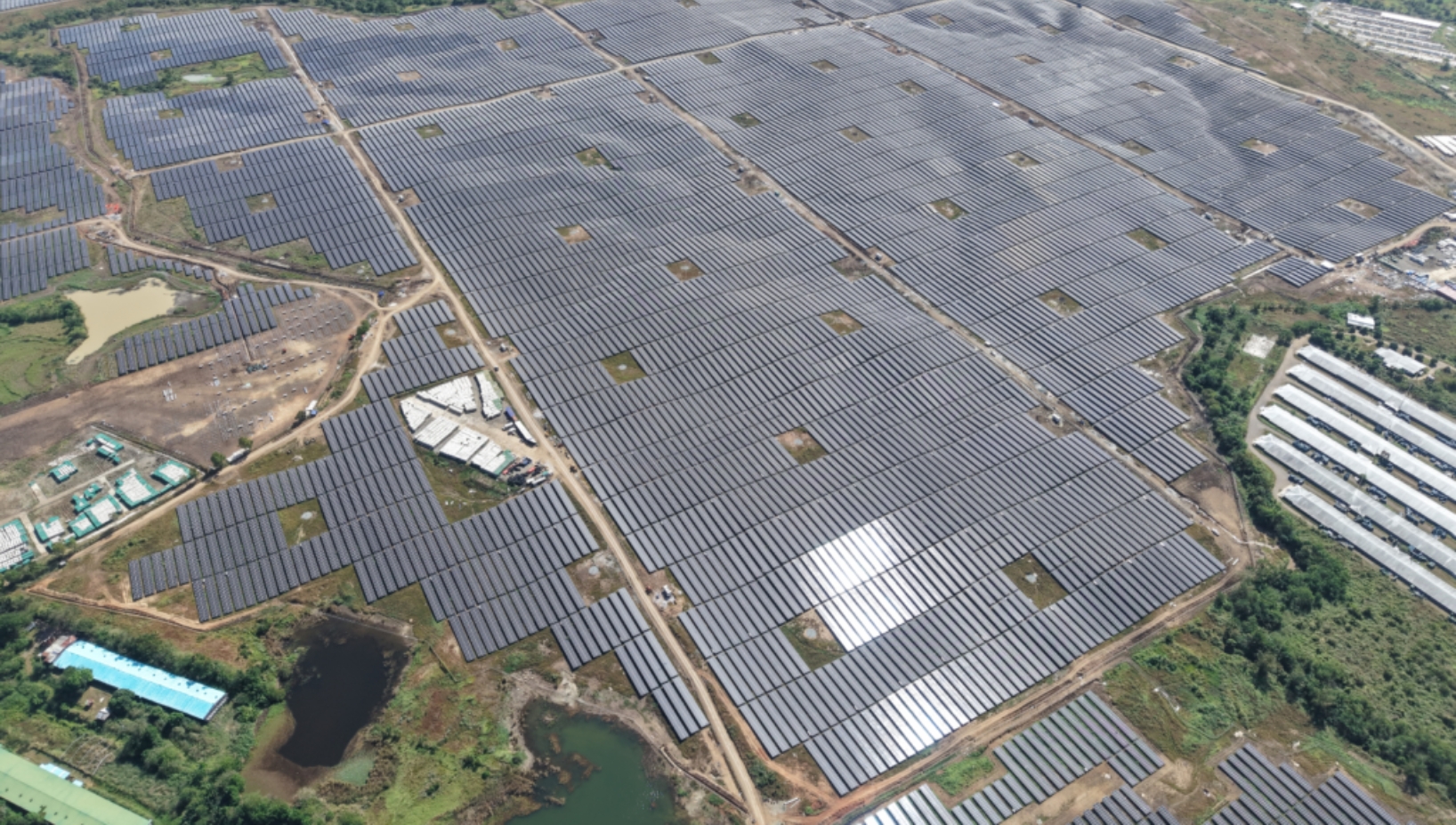
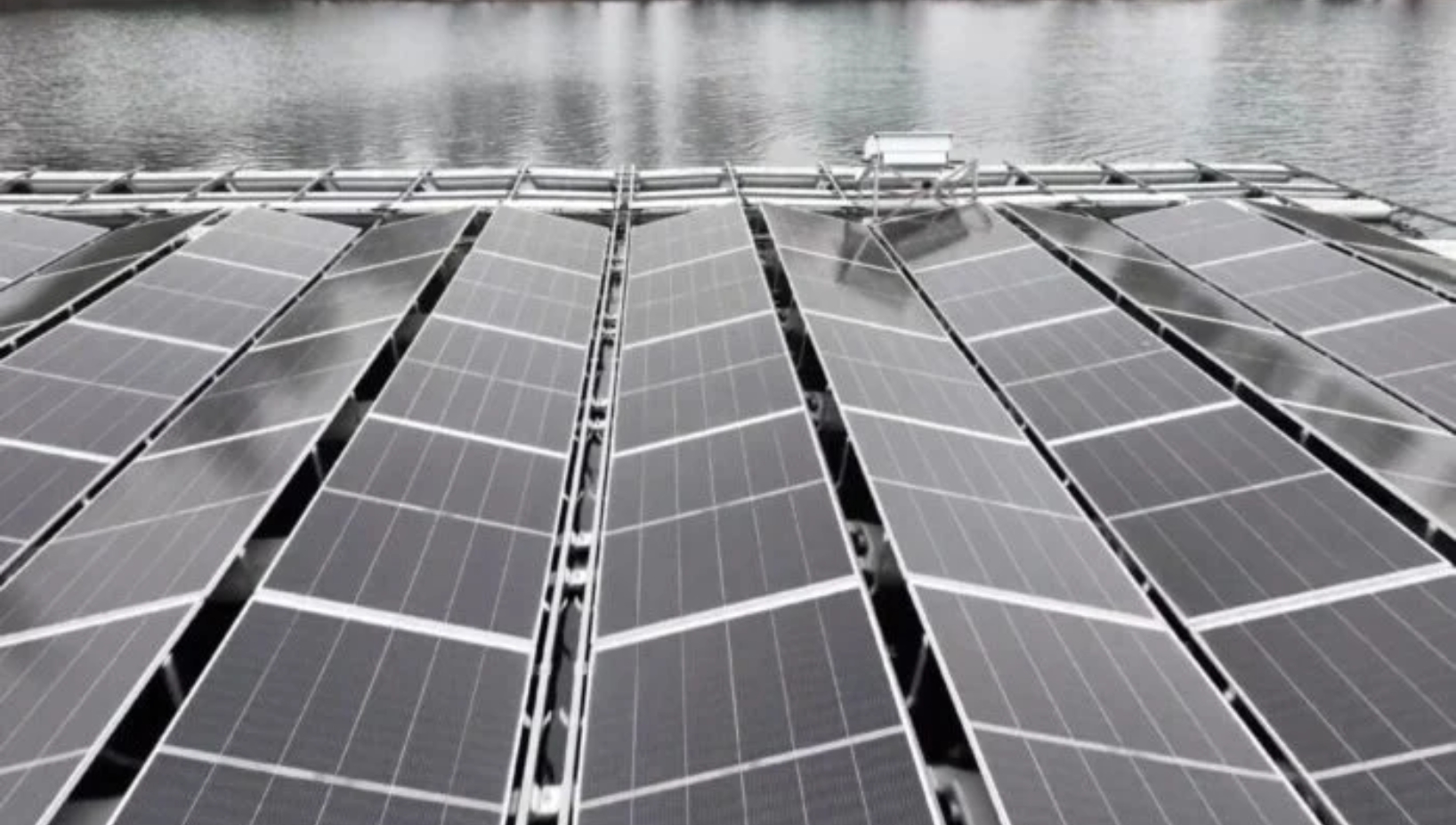
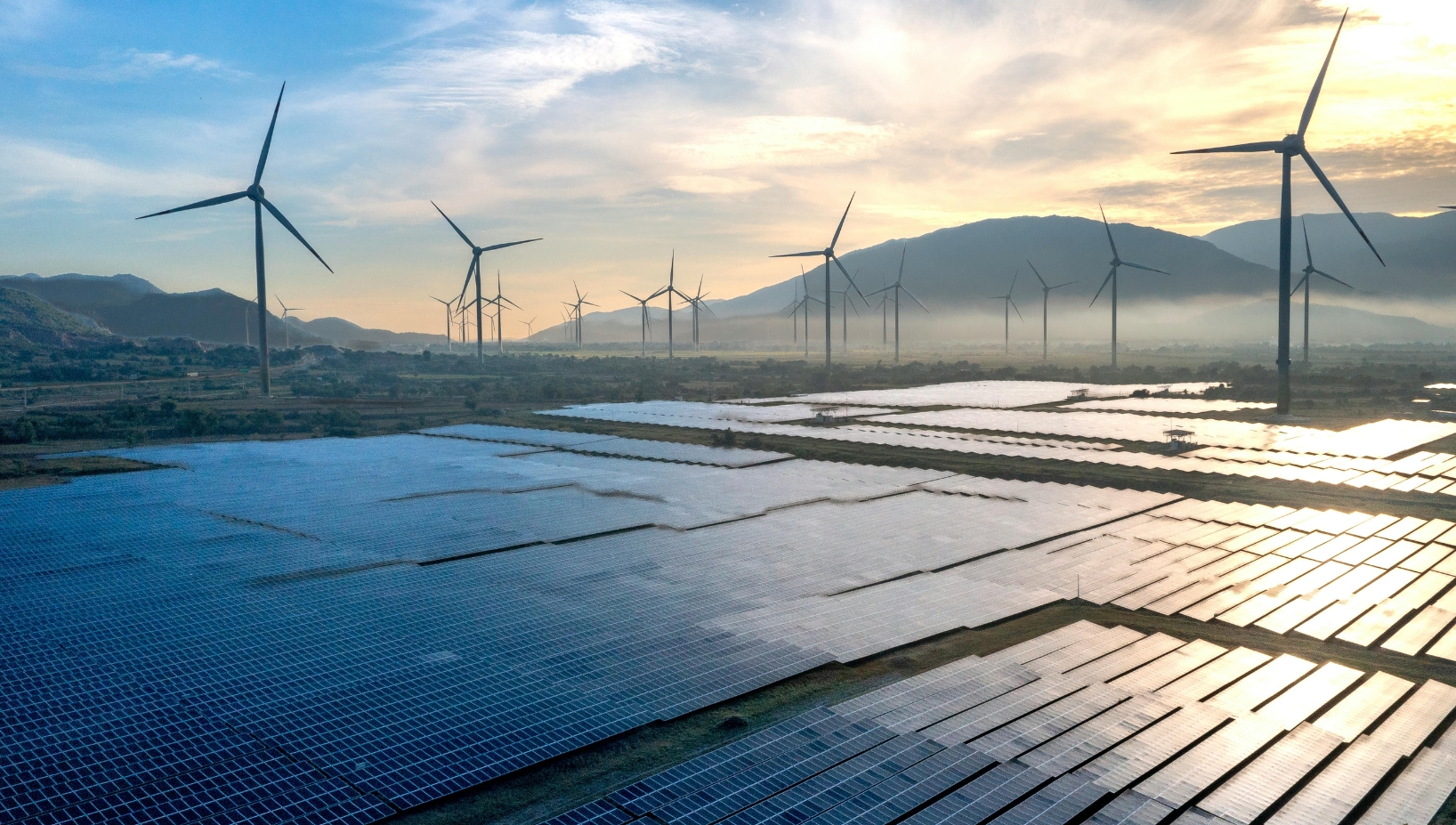
Solar energy remains the cornerstone of India’s renewable expansion. In April 2025, installed solar capacity reached 107.95 GW, an increase from 82.64 GW in April 2024, reflecting a 30.7% year-on-year growth.
In the last ten years, solar energy production has increased over thirty-fold, demonstrating persistent policy emphasis and technological advancement. Simultaneously, local solar module production capacity has escalated from 2 GW in 2014 to around 80 GW, with a target of 150 GW by 2030, reinforcing India’s push for self-reliance.
Wind Energy: Strengthening the Energy Mix
Wind energy continues to stabilise India’s renewable portfolio. Installed wind capacity reached 51.06 GW in April 2025, up from 46.16 GW the previous year, representing a 10.6% annual increase.
This balanced expansion across renewable sources promotes diversification and improves grid dependability, allowing India to retain a resilient energy framework.
Global Positioning and Contribution
India’s renewable expansion has elevated its global standing, with the nation contributing nearly 10% of global clean energy capacity. It now ranks among the top three producers of solar and wind energy, surpassing several developed economies.
The achievement indicates not only scale but also consistency of execution, establishing India as a model for both emerging and developed markets.
Green Hydrogen: Investment and Future Readiness
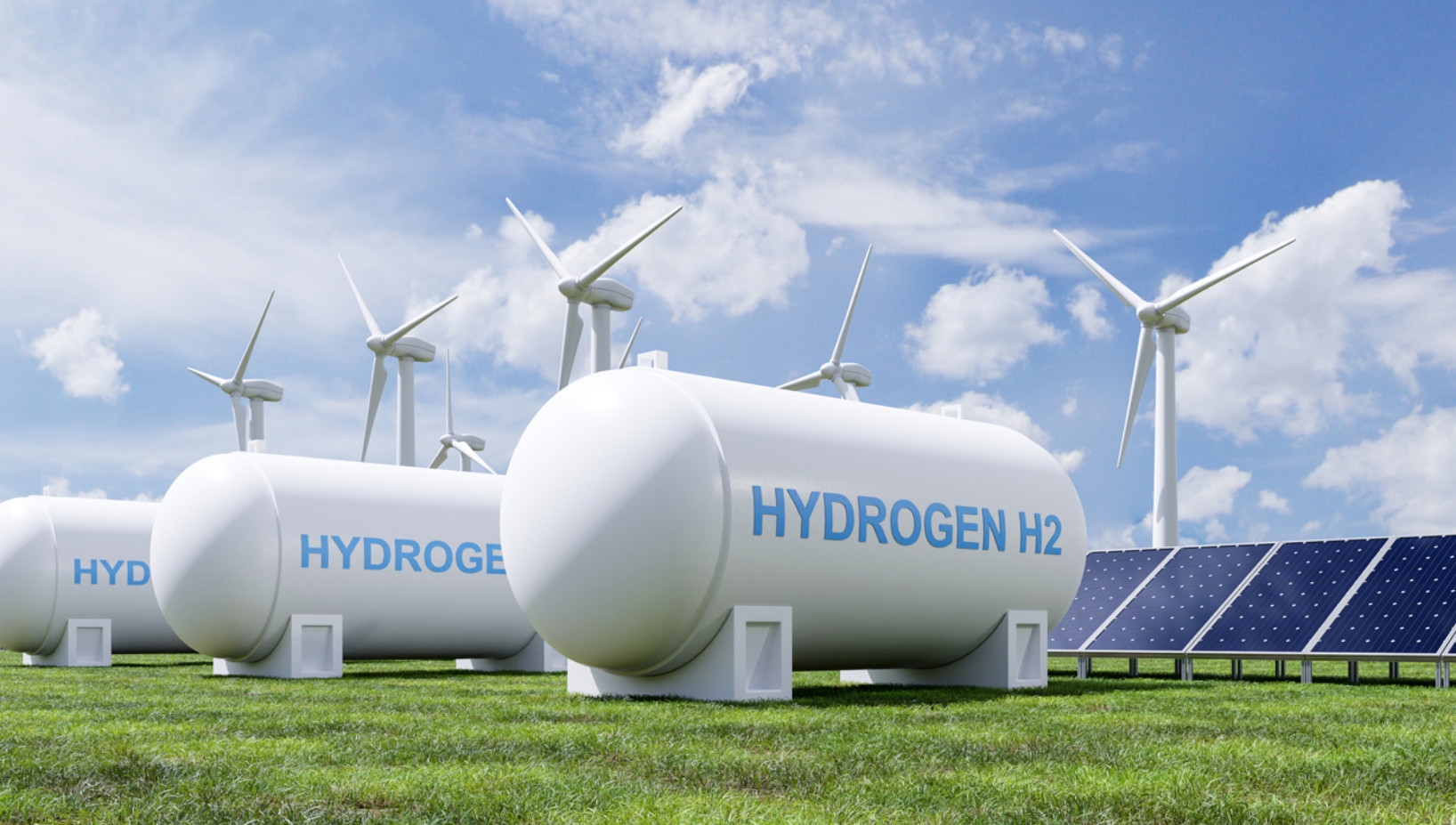
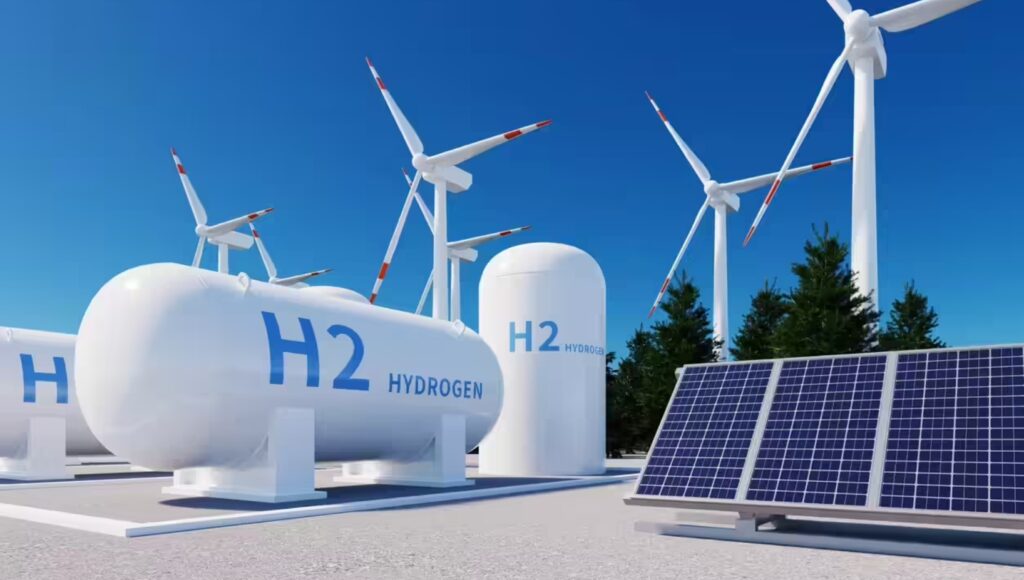
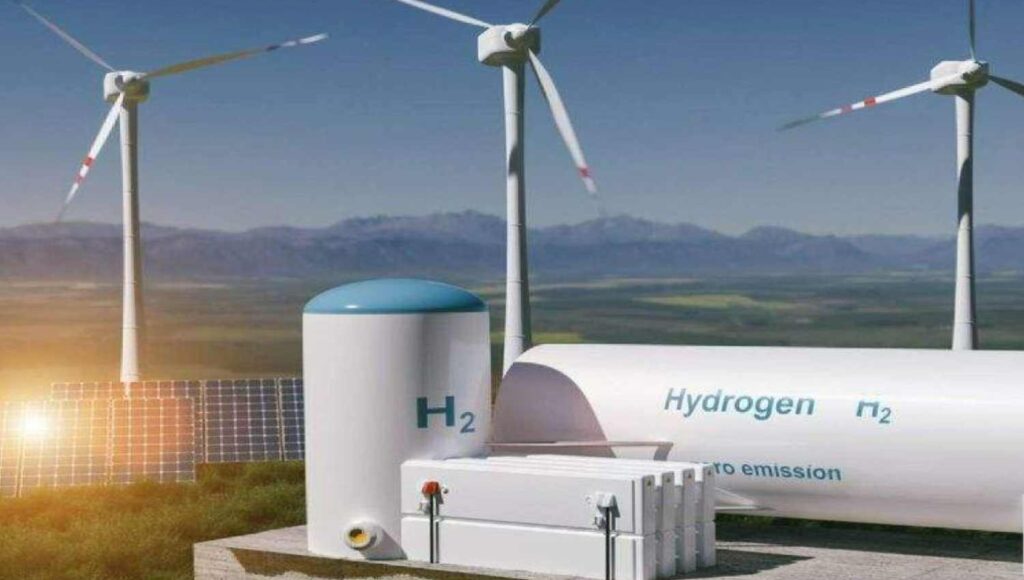
The National Green Hydrogen Mission represents India’s next phase of energy transformation. The effort aims to produce at least 5 million metric tonnes of green hydrogen annually by 2030, with the backing of an additional 125 GW of renewable capacity.
The goal aims to attract investments exceeding 8 lakh crore, generate over 6 lakh jobs, and reduce nearly 50 million metric tonnes of greenhouse gas emissions annually. The introduction of a certification framework further strengthens transparency and global competitiveness.
MSMEs and Distributed Growth
An essential component of India’s strategy is the incorporation of MSMEs into the renewable ecosystem. More than 300 stakeholders participated in national-level consultations focused on MSME involvement in green hydrogen and clean energy supply chains.
This inclusion ensures decentralised growth, encourages innovation, and expands economic participation across regions, strengthening the scalability of renewable initiatives.
Investment Momentum and Economic Impact
India’s renewable sector has attracted investments of over ₹32 lakh crore, indicating strong investor confidence. Financial innovation, including green financing models, continues to facilitate the advancement of innovative technologies and infrastructure development.
These investments are expediting capacity expansion while simultaneously creating jobs, improving energy accessibility, and reducing long-term expenses.
A Long-Term Vision Anchored in Scale
India’s strategy goes beyond immediate targets, with a long-term goal of generating 1,800 GW of renewable energy capacity by 2047. This strategic vision supports national development goals while addressing global climate challenges.
Shri Prahlad Joshi’s leadership guarantees that India’s transition is structured, inclusive, and future-ready. The conversation reinforced that the country’s clean energy journey is defined by measurable progress, institutional strength, and sustained ambition. As India advances on this trajectory, its ability to combine data-driven execution with policy clarity positions it as a global leader shaping the future of sustainable energy.
FAQs
Q1. What was the key focus of the discussion between Prahlad Joshi and Rajat Raj Shukal?The discussion focused on India’s green energy transition, including renewable capacity increase, solar expansion, green hydrogen initiatives, policy execution, investment trends, and long-term sustainability and energy security goals.
Q2. How is India expanding its renewable energy capacity?
In April 2025, India’s renewable energy capacity reached 231.81 GW, representing robust year-on-year growth and indicating effective policy execution, infrastructural expansion, and increased participation from private and global investors.
Q3. What is the significance of the Prime Minister Surya Ghar Muft Bijli Yojana?
The scheme enables rooftop solar adoption, solarising over 20 lakh households, reducing electricity costs, encouraging decentralised energy generation, and aims to empower one crore families by March 2027.
Q4. What leadership approach has Prahlad Joshi adopted to accelerate India’s green energy transition?
Shri Prahlad Joshi has focused on execution-driven governance, policy continuity, and large-scale implementation to ensure rapid renewable capacity expansion, strengthening domestic manufacturing, and promoting inclusive participation across sectors for sustainable growth.
Q5. What role does wind energy have in India’s energy mix?
Wind energy complements solar power by improving grid stability and diversification, with an installed capacity of 51.06 GW, enabling a balanced and resilient renewable energy system.
Q6. What are the objectives of the National Green Hydrogen Mission?
The mission’s goal is to produce 5 million metric tonnes of green hydrogen per year by 2030, attracting big investments, creating jobs, lowering emissions, and positioning India as a global green hydrogen production powerhouse.
Q7. What is India’s global position on renewable energy?
India is a prominent global producer of solar and wind energy, generating roughly 10% of global clean energy capacity and establishing itself as a reliable and scalable energy leader.
Q8. What is India’s long-term renewable energy target?
India aims to achieve 500 GW of non-fossil fuel capacity by 2030 and 1,800 GW by 2047, assuring long-term growth, energy security, and alignment with global climate commitments.
Q9. What is India’s global position on renewable energy?
India ranks among the top global producers of solar and wind energy, generating roughly 10% of global clean energy capacity and establishing itself as a reliable and scalable energy leader.
Q10.What role does Rajat Raj Shukal play in highlighting India’s sustainability initiatives through global platforms?
Mr. Rajat Raj Shukal facilitates high-impact dialogues with national leaders to highlight India’s progress, increase global visibility, and position the country as a credible and influential voice in discussions about sustainability and clean energy.