


















































































































































































































































































































































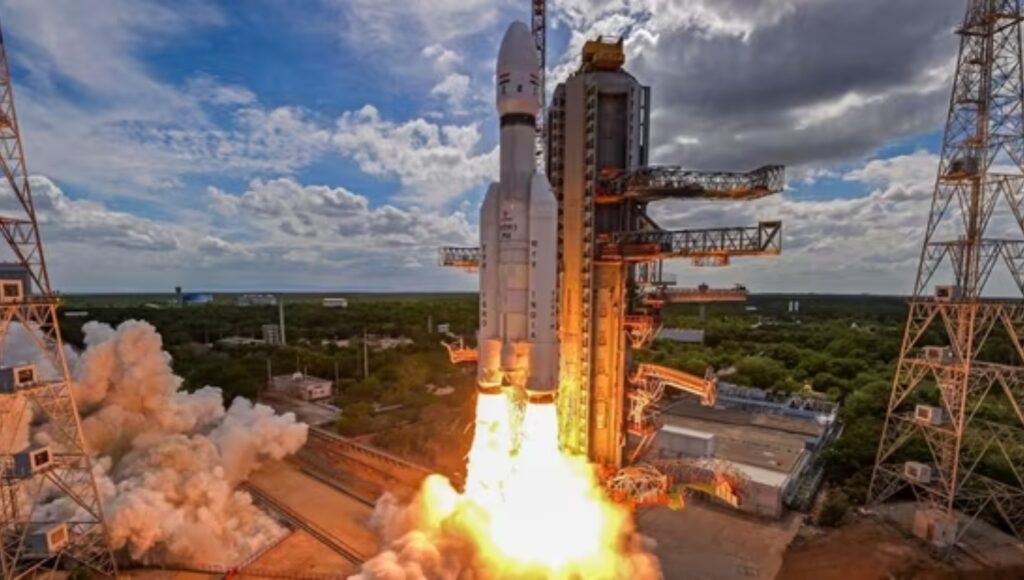




India Targets Semiconductor Powerhouse Status by 2047

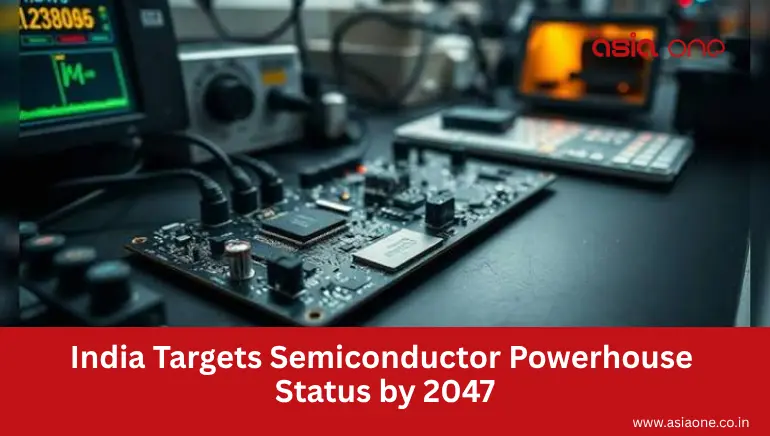
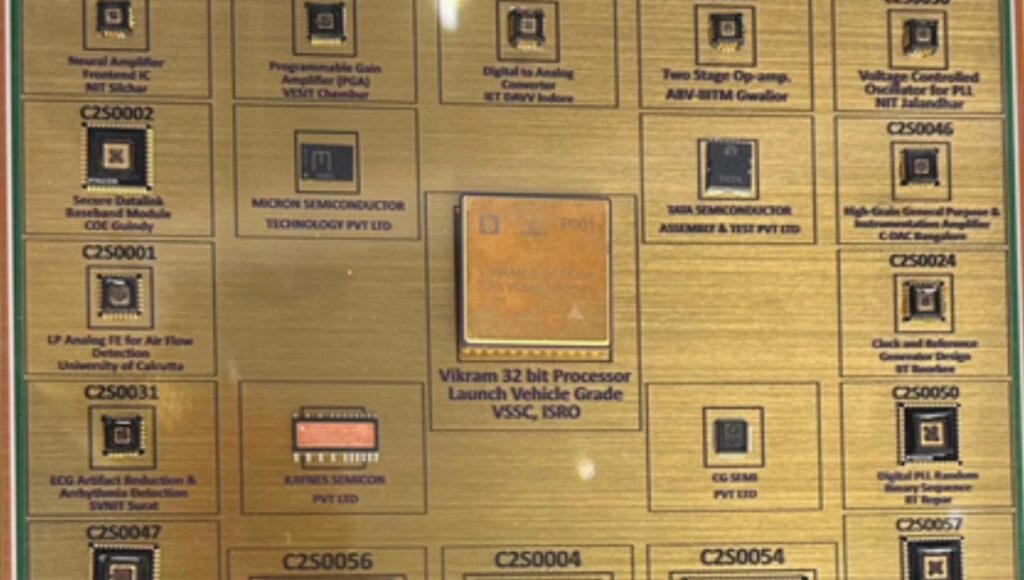
India aims to become a globally competitive and technologically self-reliant semiconductor powerhouse by 2047, with leadership in selected next-generation chip technologies, the Ministry of Defence said.
The vision includes developing a sustainable domestic semiconductor ecosystem, expanding advanced research capabilities and creating high-value employment opportunities. The ministry said semiconductor technology would play a critical role in strengthening national security, economic competitiveness and technological independence.
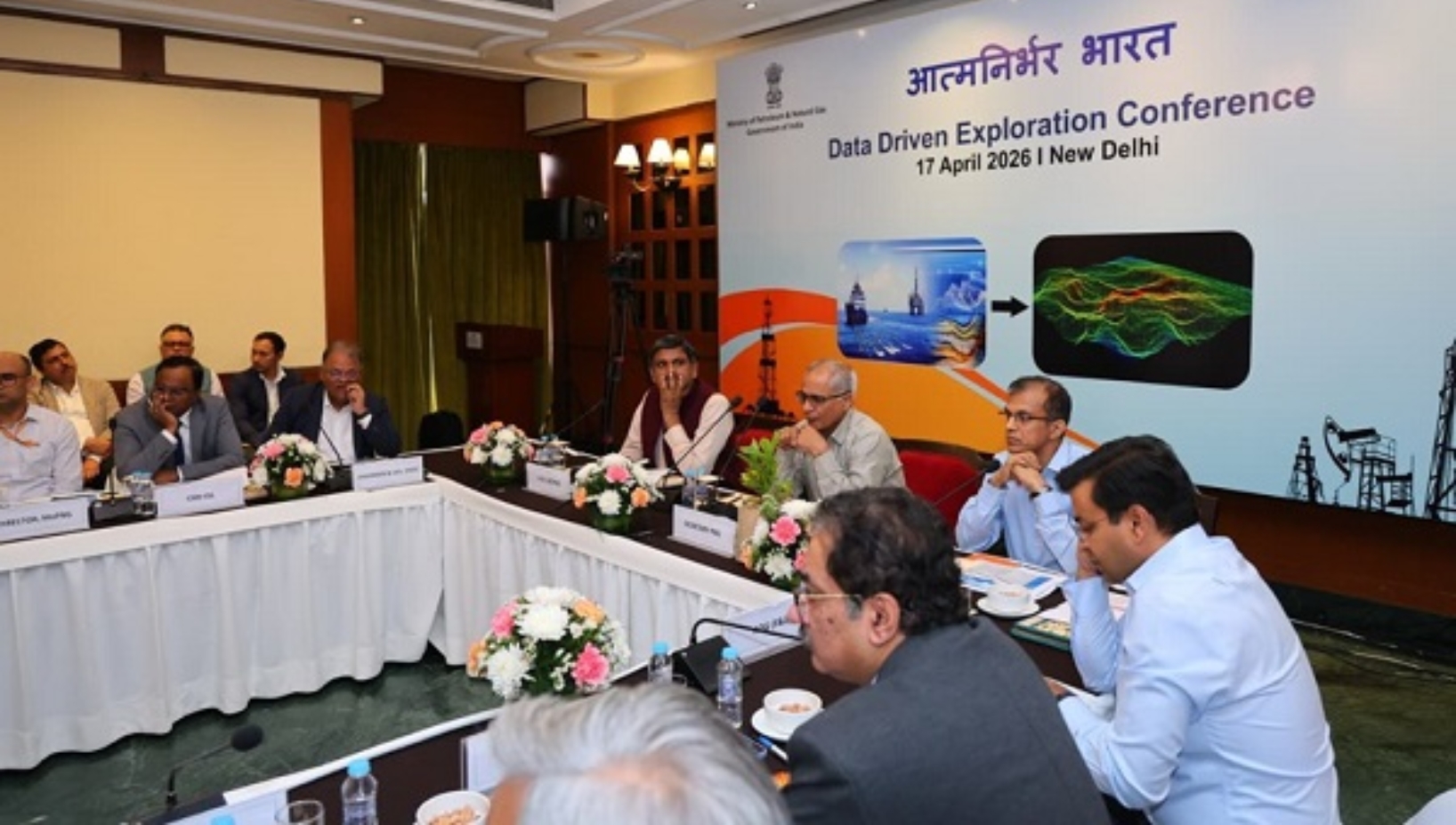
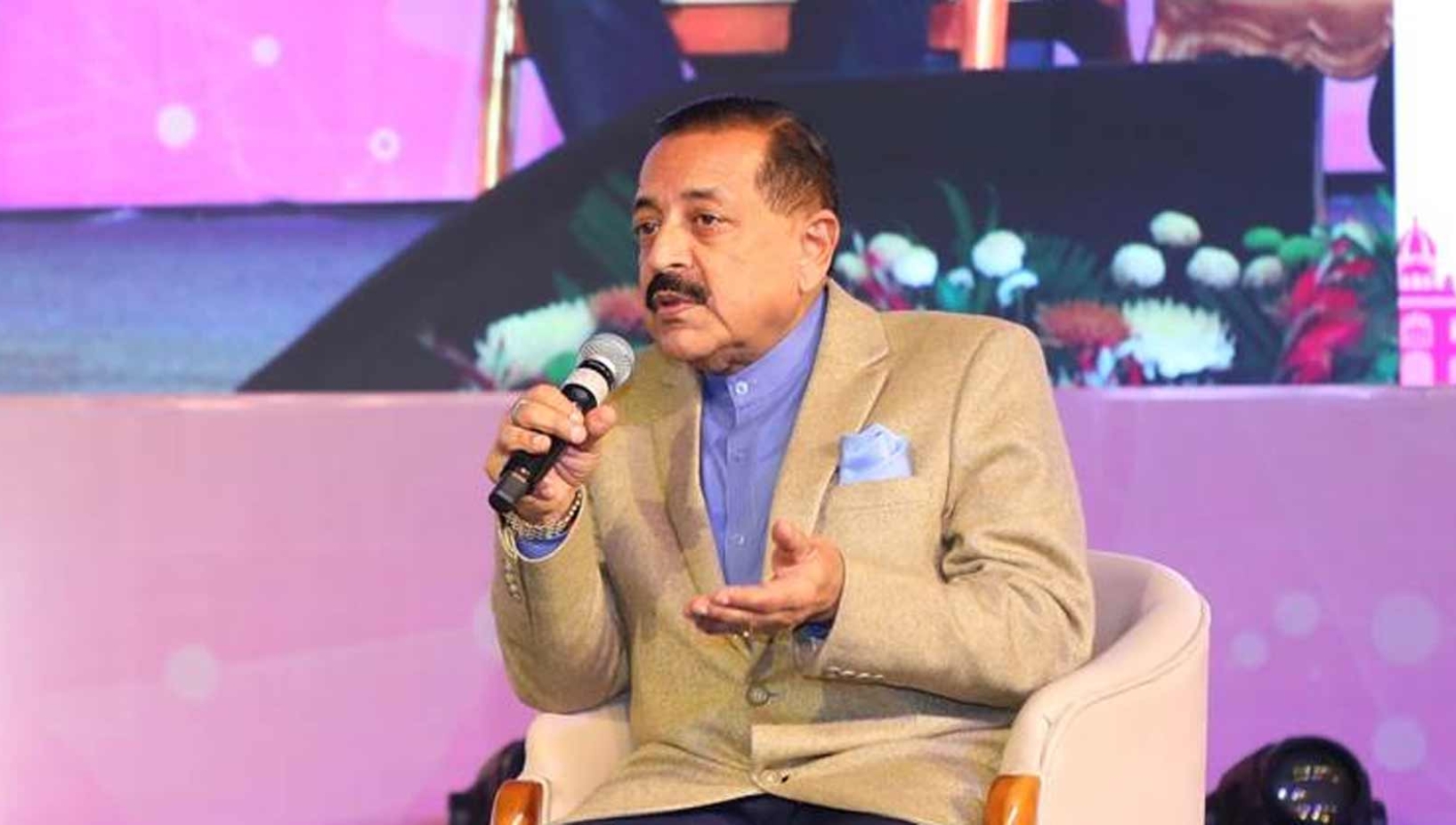
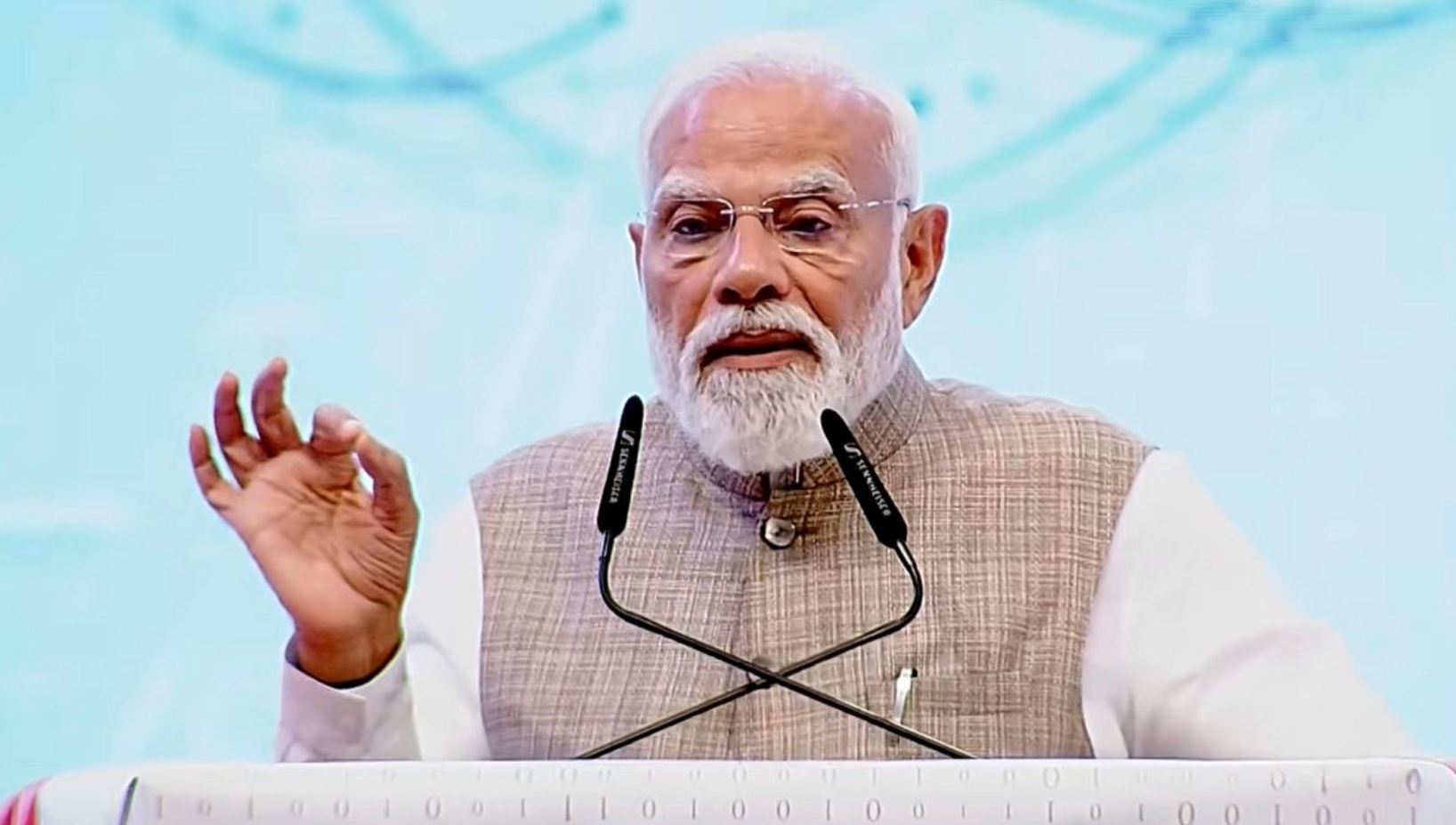
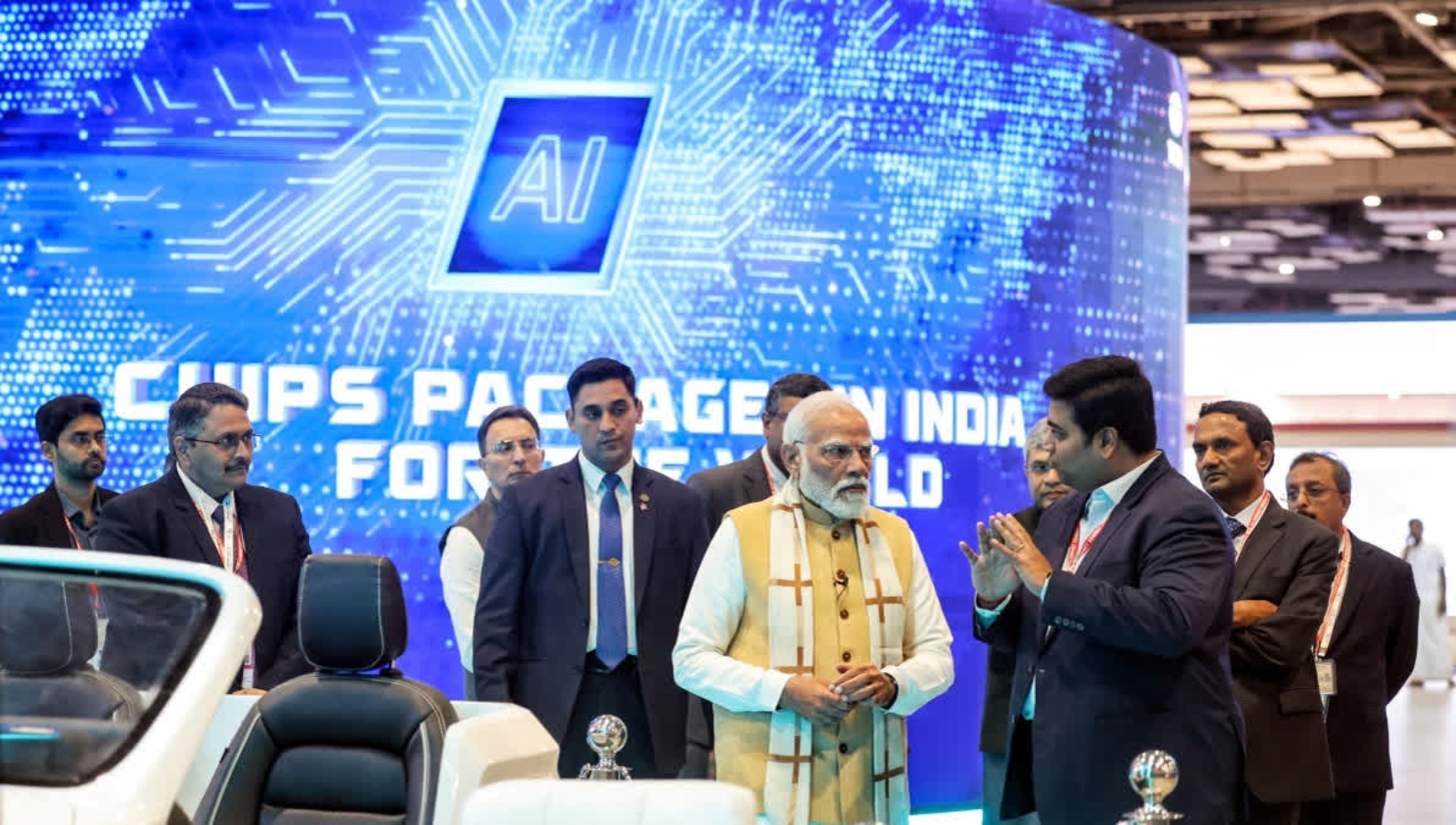
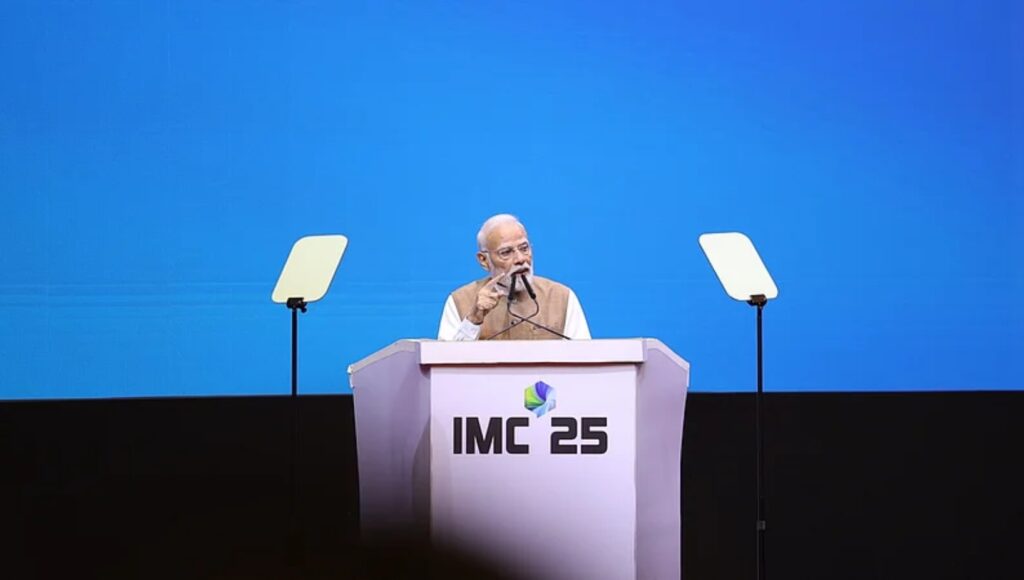
The Defence Research and Development Organisation (DRDO) highlighted these priorities during the Emerging Science, Technology and Innovation Conclave (ESTIC) 2026, held at Bharat Mandapam in New Delhi from October 27 to 29.
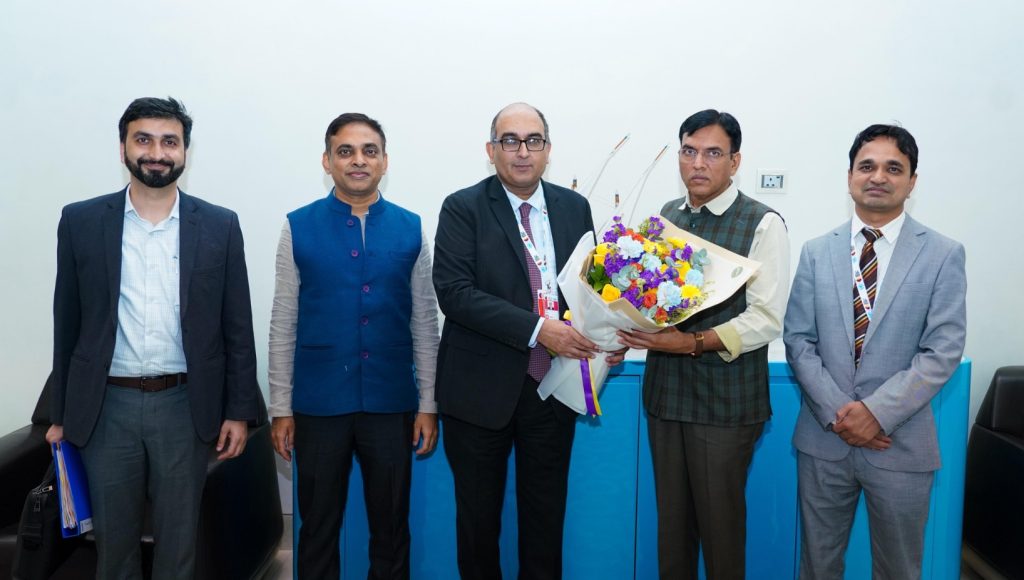
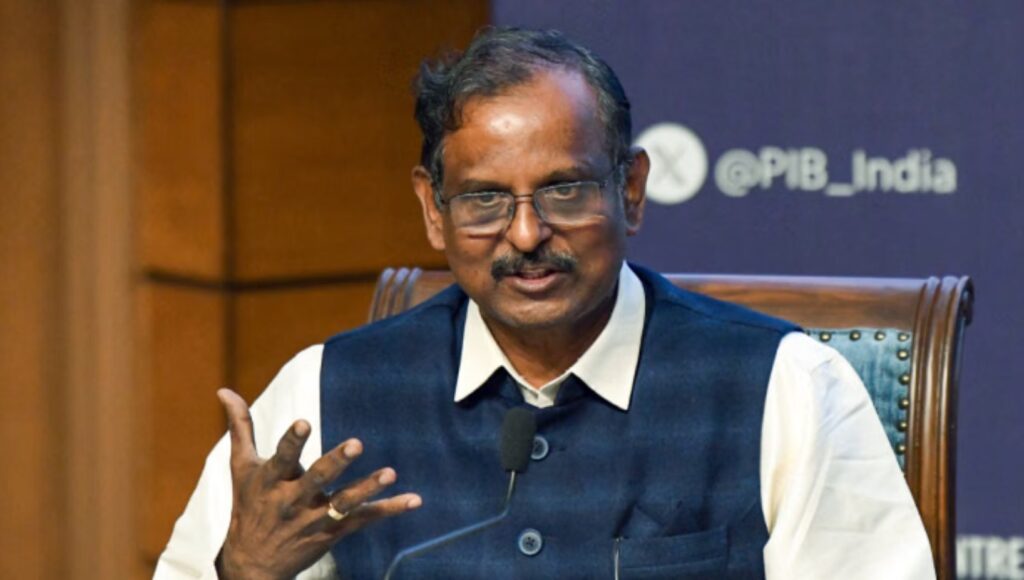
DRDO led a thematic session on semiconductors and next-generation chips, chaired by B K Das, Director-General of Electronics and Communication Systems. Discussions examined emerging developments in chip technology, artificial intelligence system-on-chips, intelligence at the silicon edge and the evolving microprocessor landscape.
The session also highlighted opportunities for collaboration between defence research institutions, industries and start-ups to accelerate chip design and develop advanced technological applications.
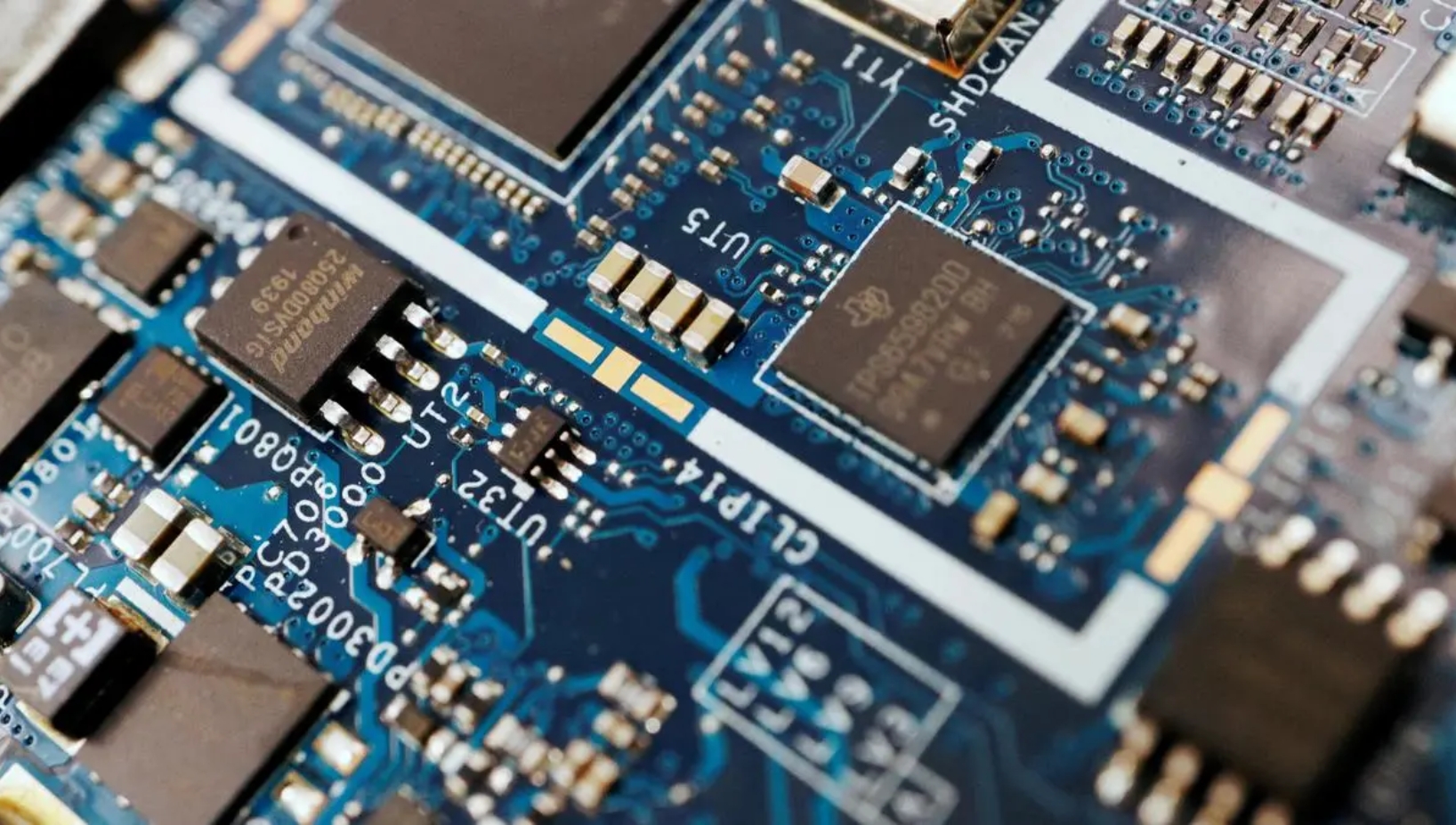
The ministry stressed that technological self-reliance requires capabilities across the entire semiconductor value chain, including chip design, fabrication, testing, industrial-scale production and resilient supply chains.
Semiconductors are increasingly important for military systems, communications, surveillance, artificial intelligence and other strategic applications. Domestic capabilities in these areas are expected to reduce dependence on external suppliers and strengthen India’s technological security.
The vision aligns with the government’s broader objective of achieving Viksit Bharat by 2047 and advancing Aatmanirbhar Bharat through indigenous research, manufacturing and innovation.