










































































































![In my last role at [Previous Company], I reduced cost-per-lead on Google Ads by 28% and improved conversions by 40% through campaign restructuring and remarketing. On social media, I boosted engagement by 45% and increased website traffic by 30% using interactive content and influencer collaborations.](https://www.asiaonemedia.com/wp-content/uploads/2025/09/Economy-India-and-UK-Partner-for-Sustainable-Smart-Cities-1024x580.jpg)
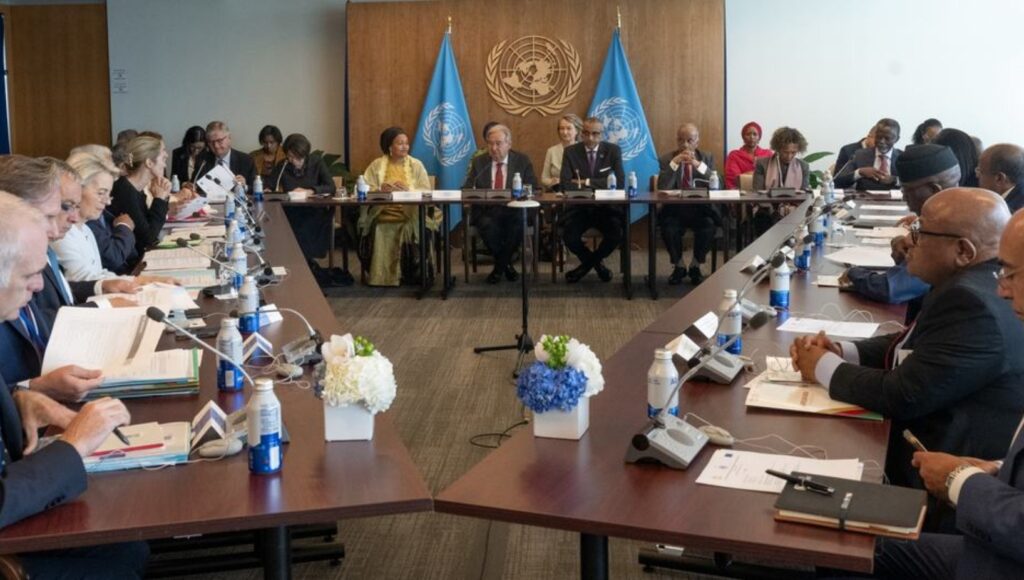




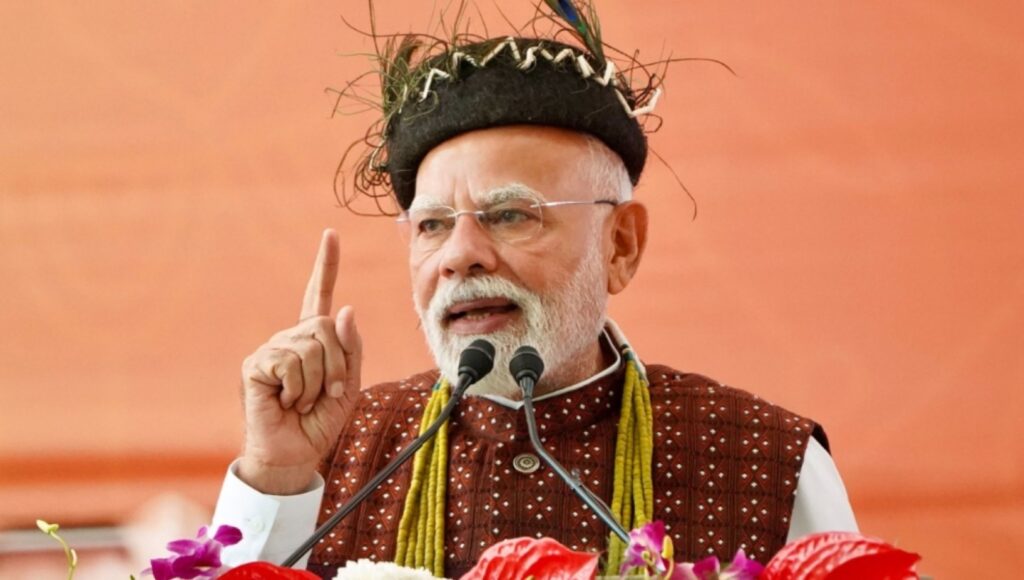

































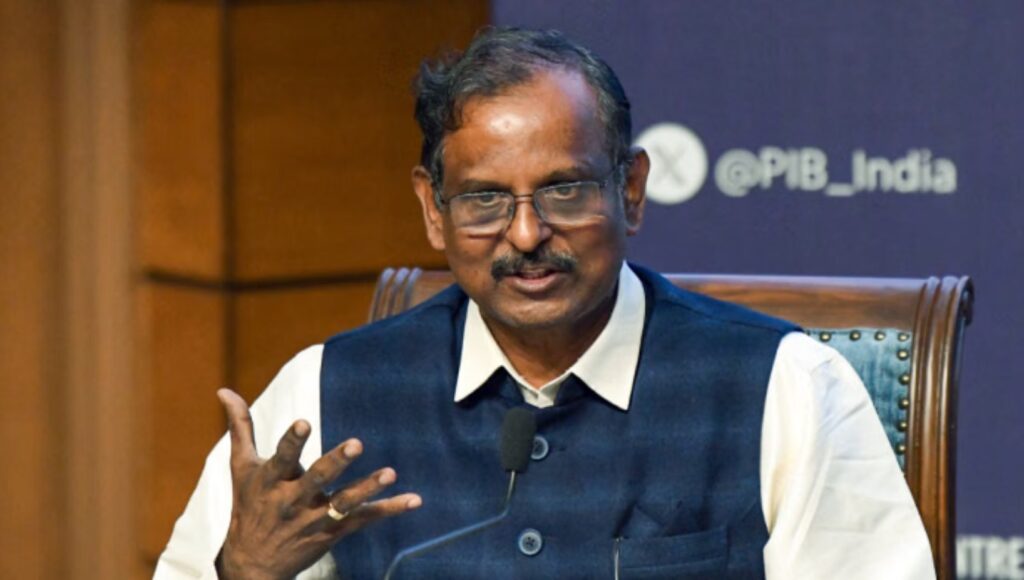




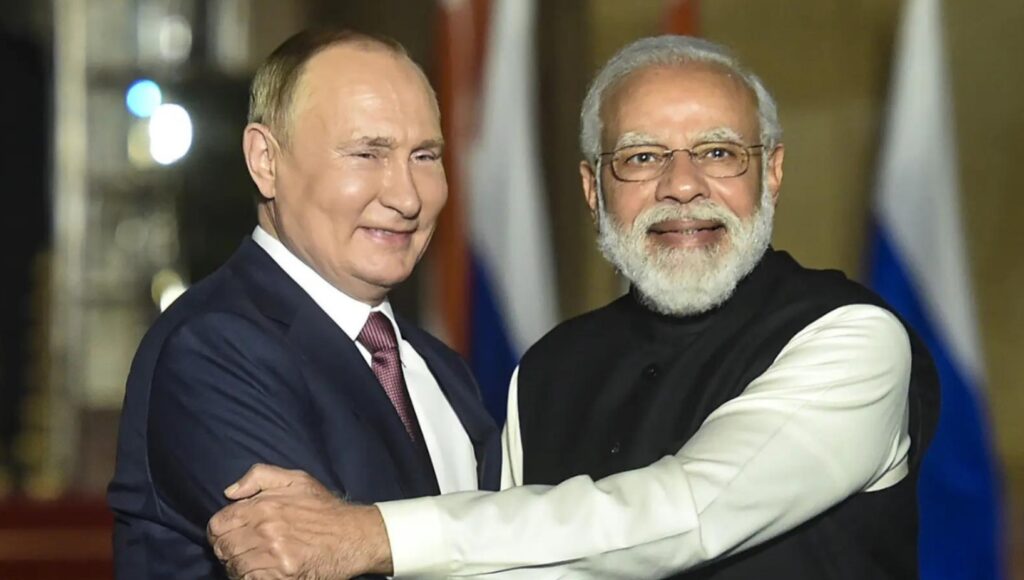


















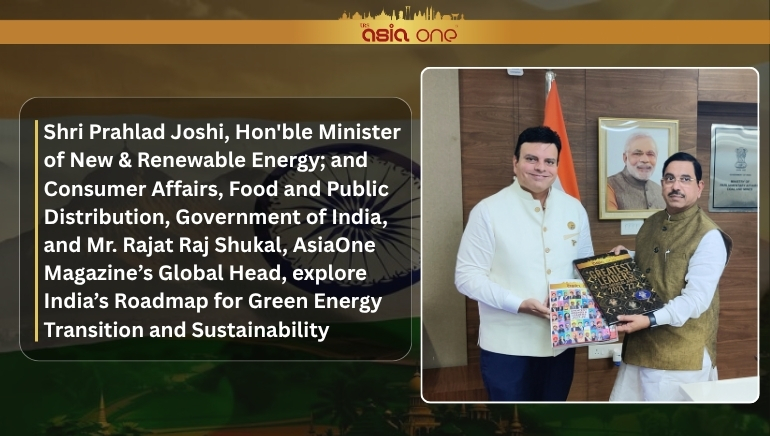
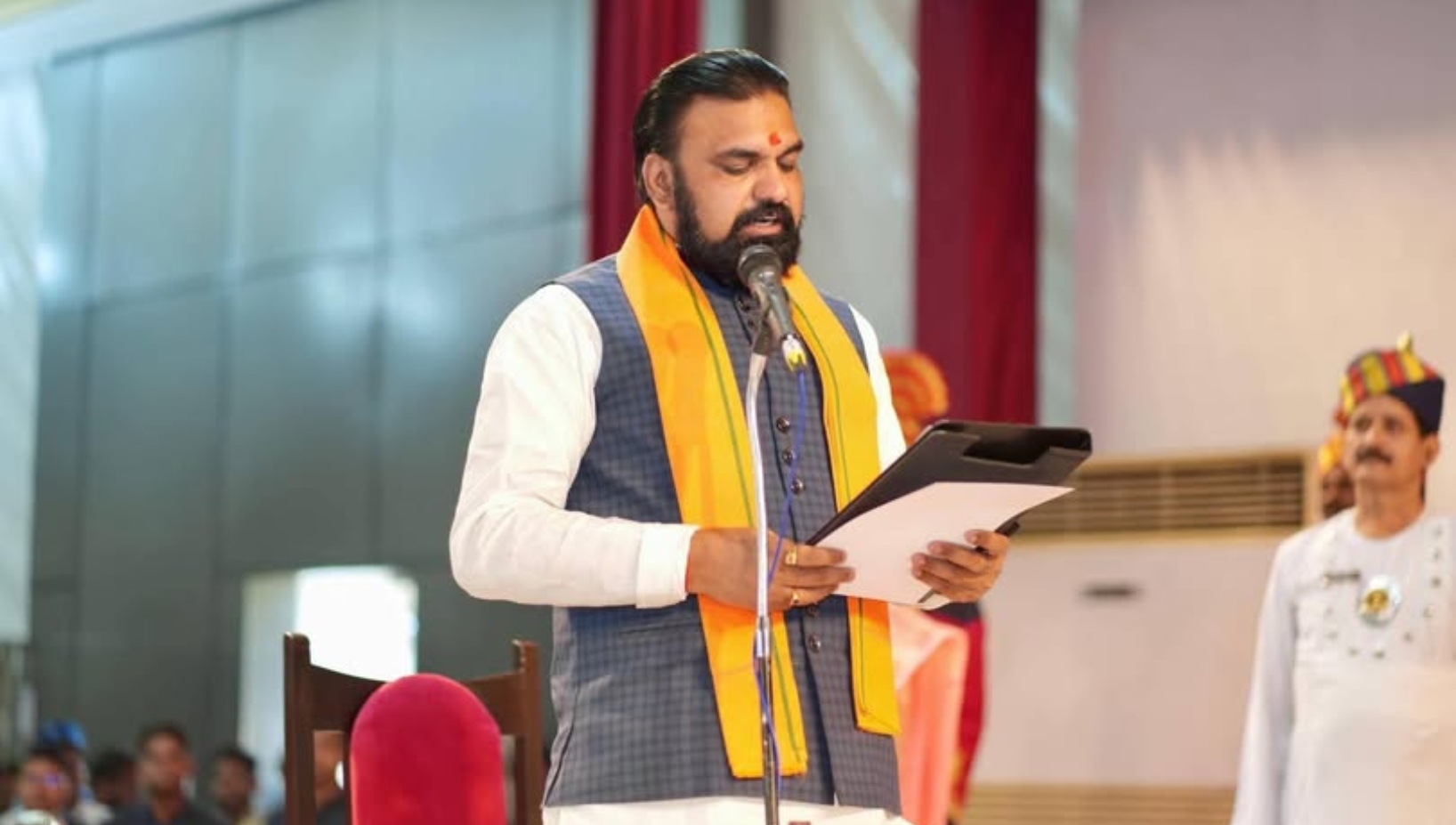
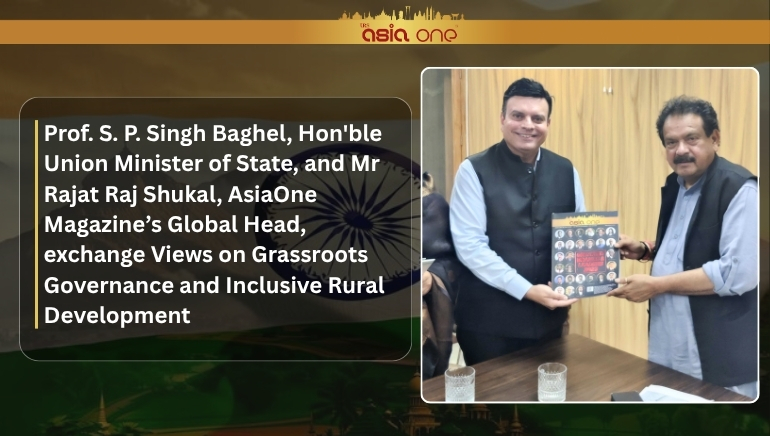
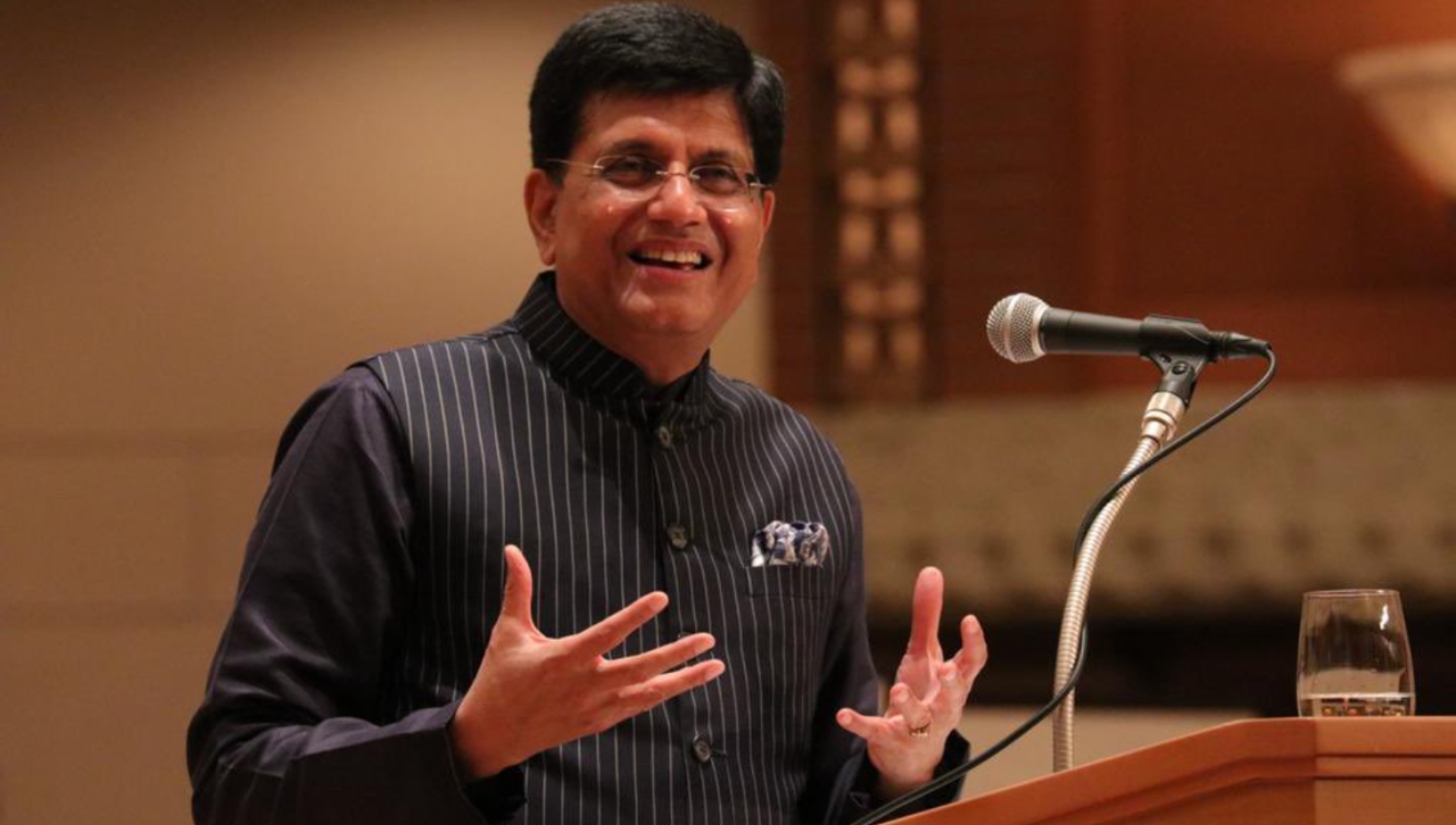
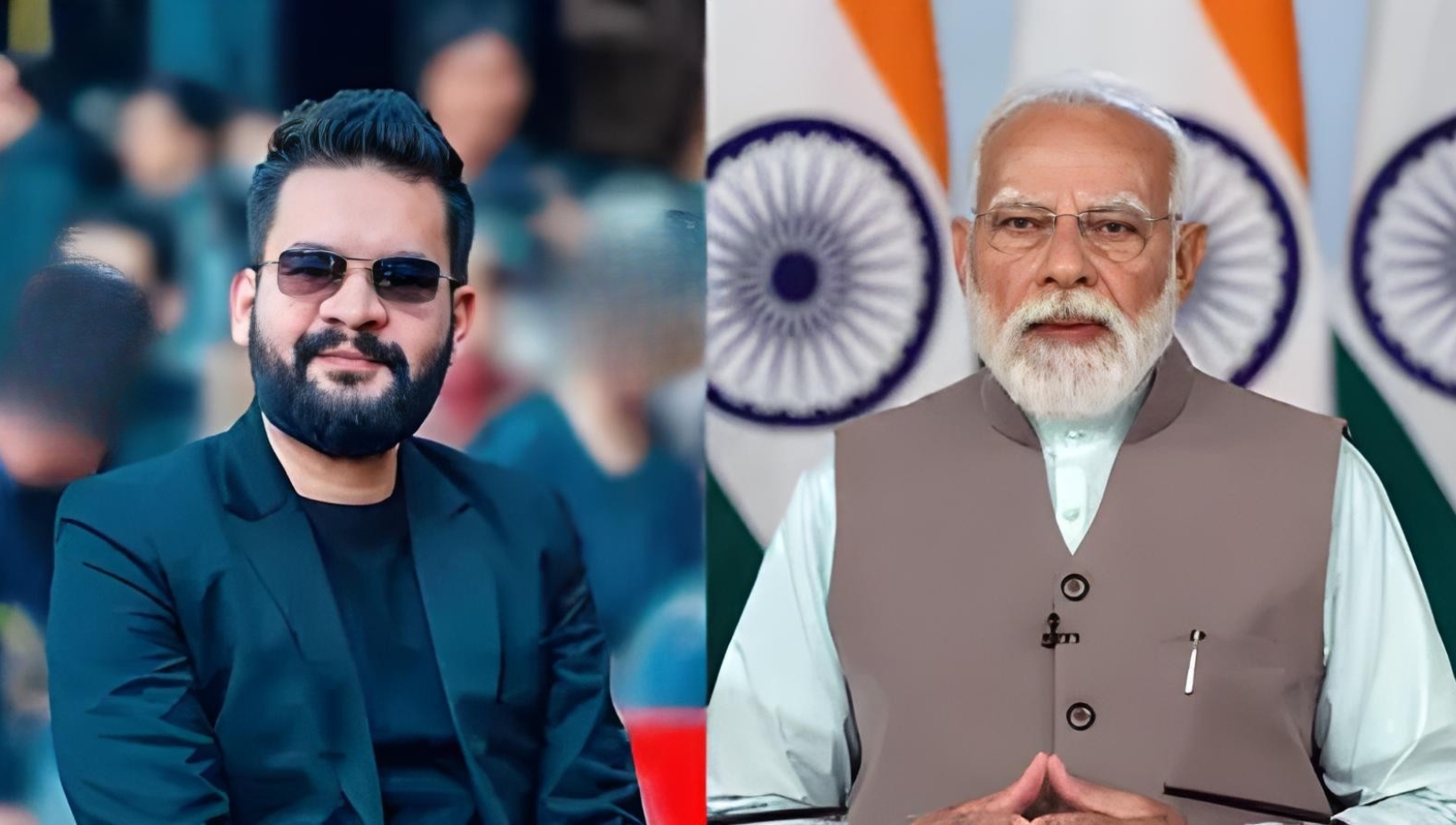
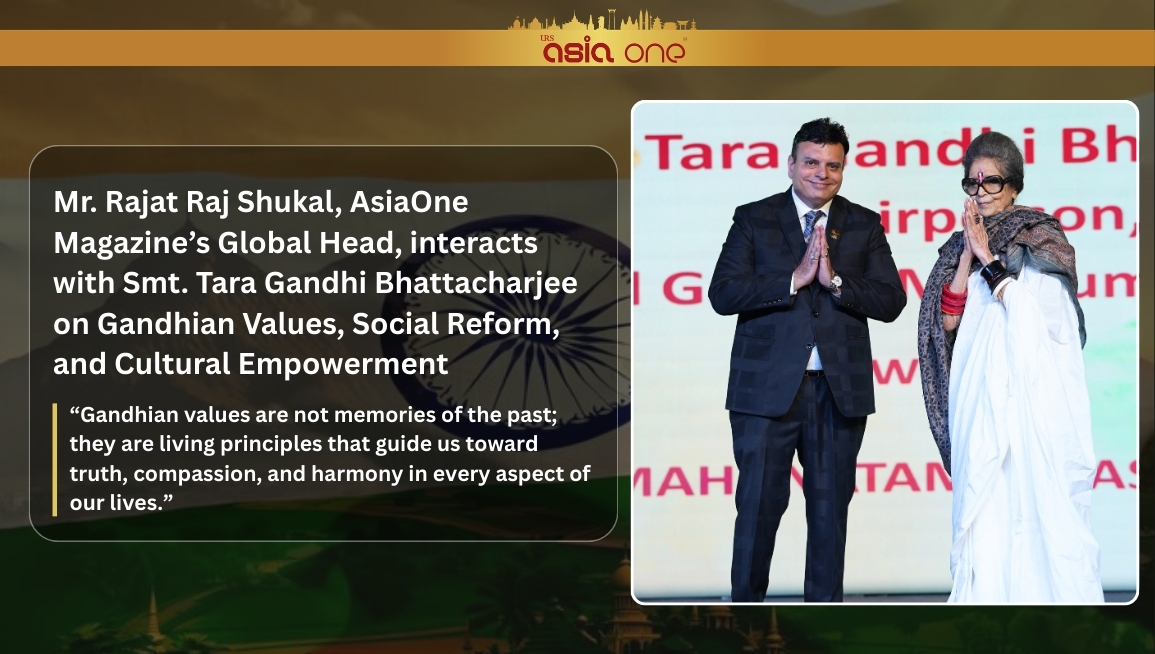
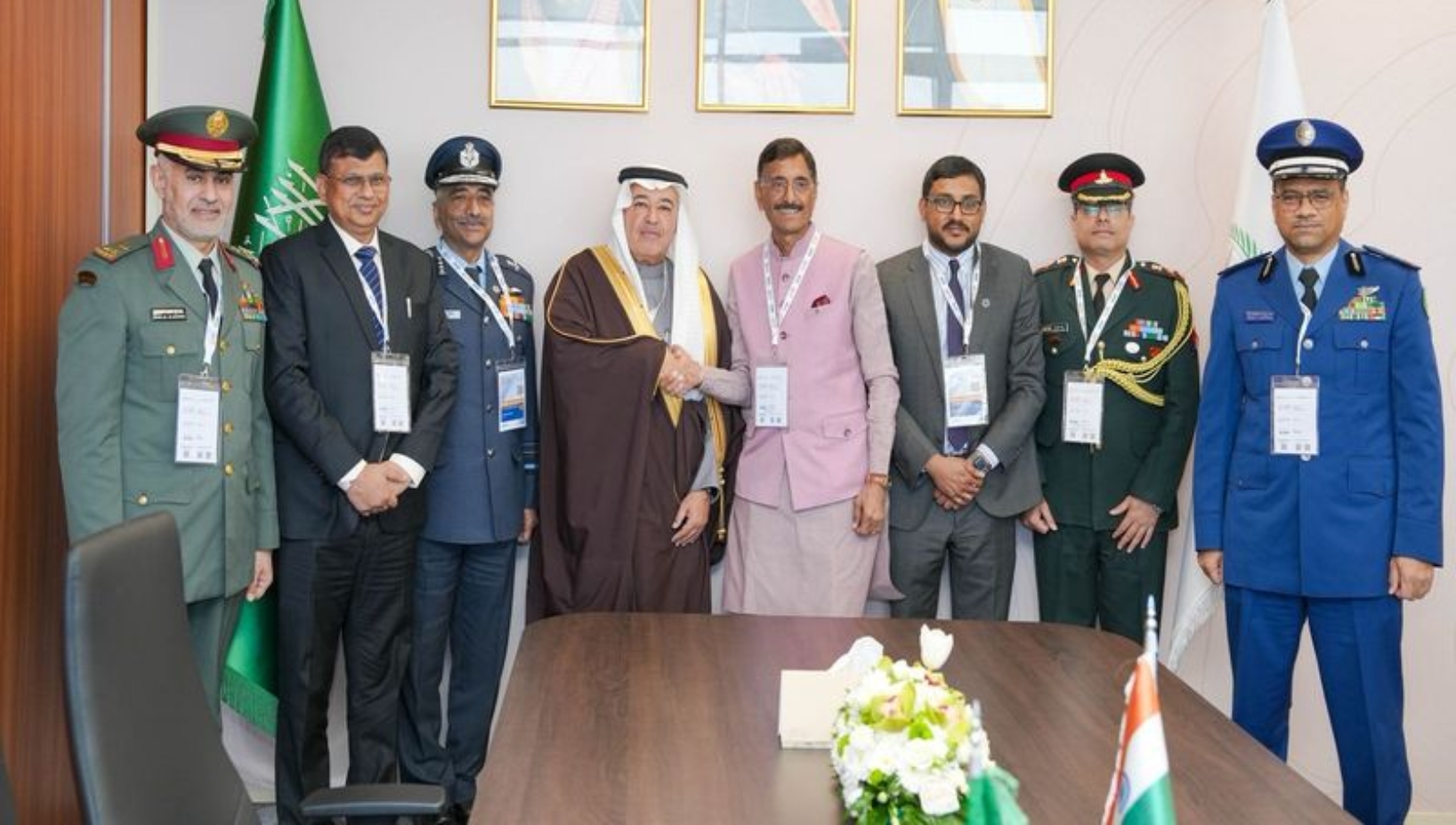
Dr. Sukanta Majumdar, Union Minister of State for Education and DoNER, and Mr. Rajat Raj Shukal, AsiaOne Magazine’s Global Head and Principal Partner, discuss Empowering North East India through Education and Inclusive Development

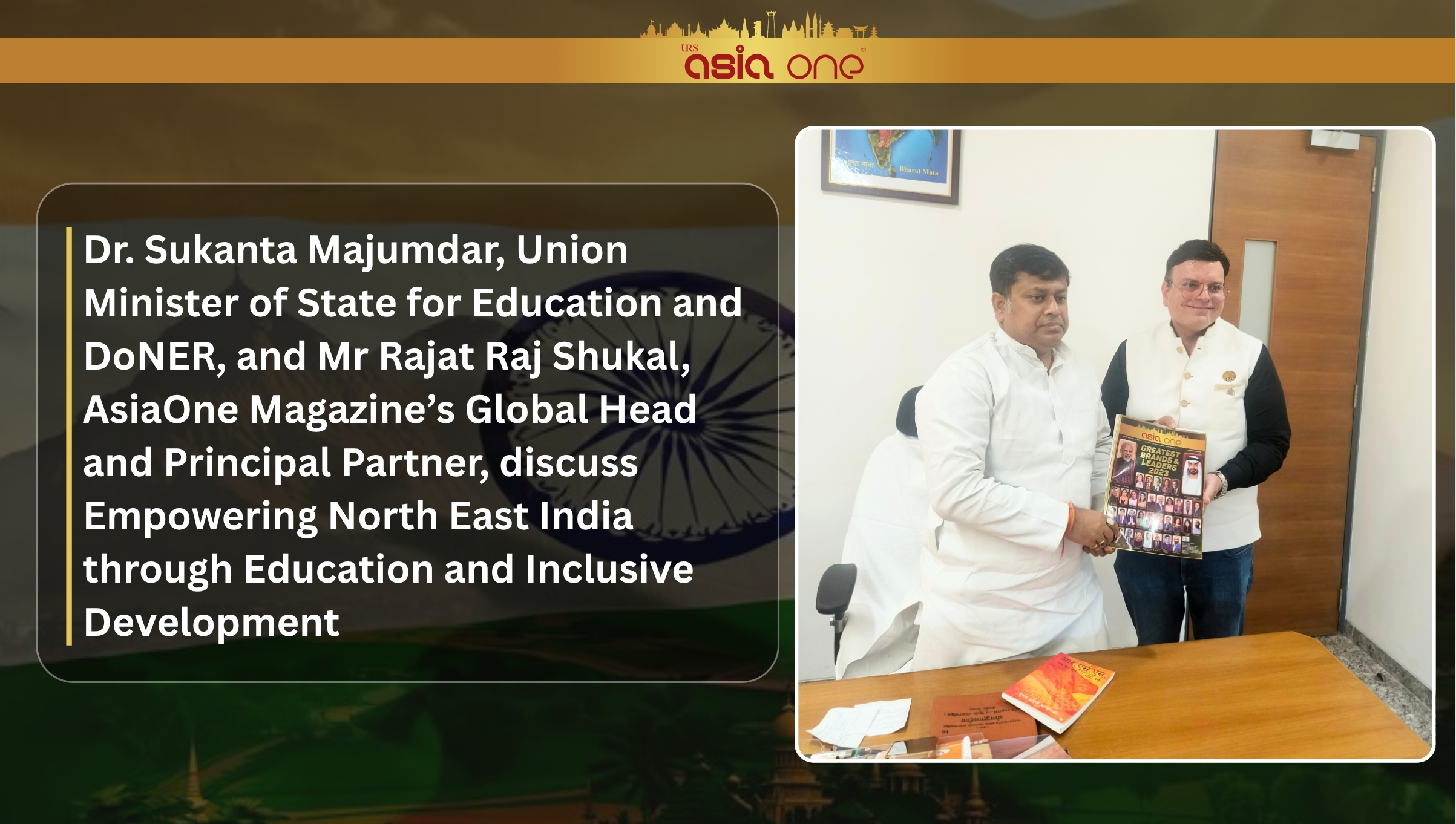
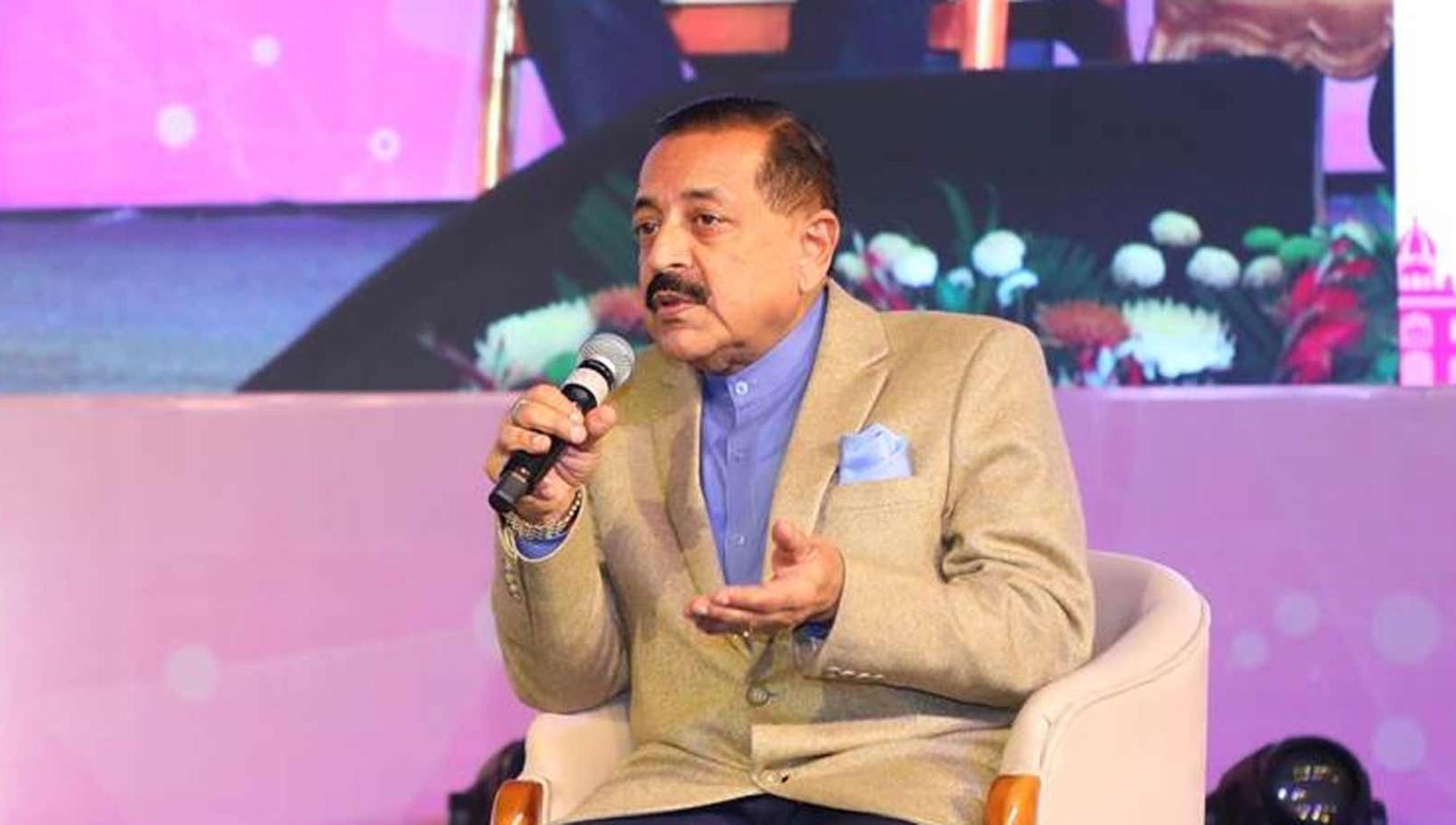
Dr. Sukanta Majumdar, Union Minister of State for Education and Development of the North Eastern Region (DoNER), spoke with Rajat Raj Shukal, Global Head and Principal Partner, AsiaOne Media, to examine how education can serve as a core enabler of inclusive development in North East India. The conversation framed the region not only as a beneficiary of national policy but also as a strategic contributor to India’s long-term growth trajectory. With its population diversity and cultural complexity, the North East represents unique challenges and significant opportunities that require targeted and sustained policy attention.
Dr. Majumdar presented a systematic strategy focused on increasing access, strengthening institutional frameworks, and enhancing educational outcomes. He highlighted that overcoming regional differences necessitates infrastructure development, academic innovation, and administrative coordination. The government intends to build a strong ecosystem that promotes economic involvement, social mobility, and regional empowerment by linking education to broader development goals.
NEP 2020: A catalyst for systemic reform
The implementation of the National Education Policy (NEP) 2020, defined by Dr. Majumdar as a revolutionary framework for reorienting India’s education system, was the key focus of the discussion. He highlighted that the policy emphasises multidisciplinary learning, flexibility in academic courses, and the incorporation of skills-based education for preparing students for a dynamic global world.
The talk also focused on how NEP 2020 is being implemented through institutional reforms and curriculum restructuring. Dr. Majumdar emphasised the significance of integrating vocational training, digital learning platforms, and experiential education with traditional academic systems. These initiatives aim to improve students’ employability while also encouraging innovation and critical thinking skills.
Higher education institutions in the Northeast have been identified as critical drivers of this shift. Dr. Majumdar emphasised the importance of improving research capacities, building partnerships with international universities, and introducing specialist academic programmes that align with regional strengths. He acknowledged current challenges, including infrastructure shortcomings and financing limits, but emphasised the importance of targeted investments and policy continuity in realising these organisations’ full potential.
Expanding Access and Strengthening Inclusion
Ensuring fair access to education emerged as a key concern during the discussion. Dr. Majumdar provided a comprehensive overview of the initiatives that are designed to increase the educational opportunities available to students in rural, tribal, and aspirational districts. These activities aim to reduce structural barriers and guarantee that socioeconomic status does not influence access to quality education.
Institutions such as Eklavya Model Residential Schools and Kasturba Gandhi Balika Vidyalayas have been integrated into broader inclusion efforts, allowing for targeted outreach to marginalised communities. The emphasis on student well-being, retention, and academic support demonstrates a comprehensive commitment to inclusion that extends beyond enrolment.
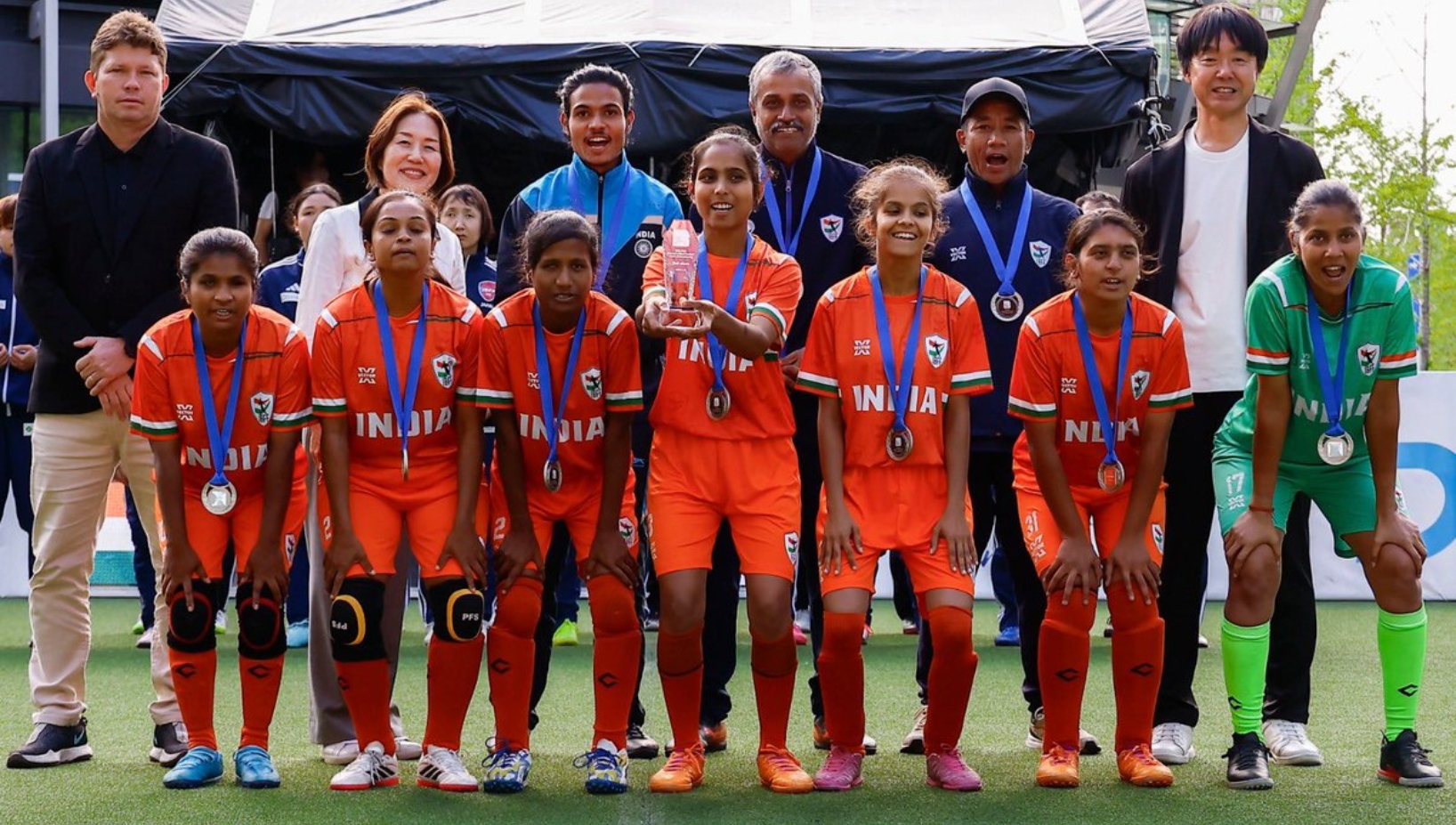
The integration of sports into education was also discussed as part of a holistic development strategy. Dr. Majumdar referred to the Football for Schools (F4S) initiative, developed in collaboration with FIFA and the All India Football Federation, as a scalable model promoting physical fitness, teamwork, and discipline. The program has reached numerous schools across India, with notable participation from girls and students in underserved regions. He added that structured training for educators ensures that sports are integrated into the educational framework, thereby promoting both physical and cognitive growth.
Education, Cultural Integration, and Sustainable Development
The importance of education in promoting cross-cultural understanding and patriotism was also discussed. Dr Majumdar emphasised programmes that support the “Ek Bharat-Shreshtha Bharat” goal of promoting intercultural engagement and mutual understanding among students. These initiatives assist in developing a more cohesive national identity by exposing students to diverse languages, traditions, and knowledge systems.
Apart from academic and cultural factors, the conversation focused on the necessity of sustainability and social responsibility in the education system. Dr. Majumdar described attempts to persuade institutions to participate in environmental projects, community service programmes, and civic engagement activities. These projects strive to cultivate responsible individuals capable of making meaningful contributions to society.
Mr. Shukal’s participation throughout the conversation provided a fair examination of both policy intent and implementation consequences. His approach helped draw out clearer insights into how education initiatives are being translated into measurable outcomes, particularly in regions with complex developmental challenges such as the North East. The discussion emphasised scalability, accountability, and long-term efficacy.
According to Dr. Majumdar, “Education is not merely a sectoral priority; it is the foundation upon which inclusive and sustainable development is built, particularly in regions like the North East where potential is vast and opportunities must be equitably created.”
The interaction concluded with the understanding that the North East is at a critical juncture in its development journey. With policy support, institutional strengthening, and community involvement, the region has the potential to become a model for education-led growth. By connecting educational growth with economic and social goals, India can ensure that the North East makes a meaningful contribution to the vision of a “Viksit Bharat”, reaffirming education’s role as both an equaliser and a driver of national progress.
FAQs
Q1. What was the primary focus of the dialogue between Dr. Sukanta Majumdar and Rajat Raj Shukal?
A. The conversation centred on using education as a strategic tool to promote inclusive development and socioeconomic growth in Northeast India.
Q2. How does NEP 2020 benefit North East India?
A. NEP 2020 promotes flexible learning, multidisciplinary education, and skill-based training, assisting institutions in modernising and boosting student employability throughout the region.
Q3. What are the main educational challenges in Northeast India?
A. Infrastructure limitations, financing gaps, regional barriers, and the need for stronger research and academic ecosystems are among the most significant challenges.
Q4. How does the government improve access to schools in rural northeastern regions
A. Through targeted initiatives like Eklavya Model Residential Schools and Kasturba Gandhi Balika Vidyalayas, the government is increasing access for kids in tribal and impoverished areas.
Q5. What is the Football for Schools (F4S) programme?
A. It is a nationwide effort that incorporates football into school curricula to encourage fitness, teamwork, and inclusivity, particularly among rural and female students.
Q6. How can higher education institutions contribute to regional development in the Northeast?
A. They contribute by improving research, encouraging innovation, and establishing worldwide alliances that boost the region’s academic and economic capacities.
Q7. How does education contribute to cultural integration in India?
A. Education supports efforts such as “Ek Bharat-Shreshtha Bharat”, which promotes cross-cultural learning and strengthens national unity.
Q8. What actions are being taken to encourage sustainability in education?
A. To create socially responsible citizens, educational institutions conduct environmental awareness programmes, community service, and civic initiatives.
Q9. What is Dr. Sukanta Majumdar’s approach to educational reform?
A. His approach emphasises inclusivity, policy implementation, innovation, and integrating education with national development goals such as “Viksit Bharat”.
Q10. What is Rajat Raj Shukal’s role in policy discussions?
A. He facilitates high-level dialogues that connect policy vision with practical insights, ensuring clarity in implementation and measurable outcomes.