































































































































































![In my last role at [Previous Company], I reduced cost-per-lead on Google Ads by 28% and improved conversions by 40% through campaign restructuring and remarketing. On social media, I boosted engagement by 45% and increased website traffic by 30% using interactive content and influencer collaborations.](https://www.asiaonemedia.com/wp-content/uploads/2025/09/Economy-India-and-UK-Partner-for-Sustainable-Smart-Cities-1024x580.jpg)
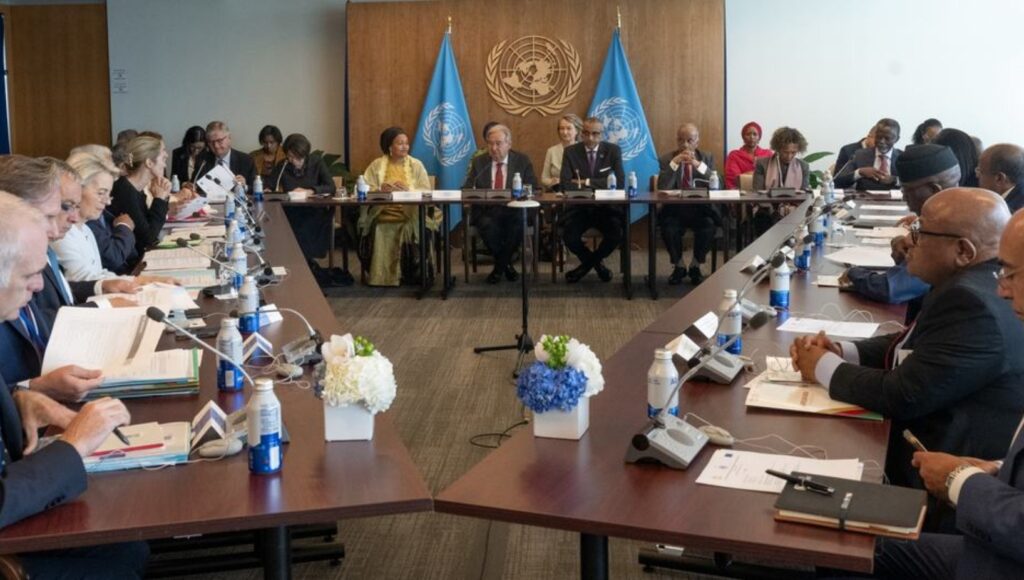




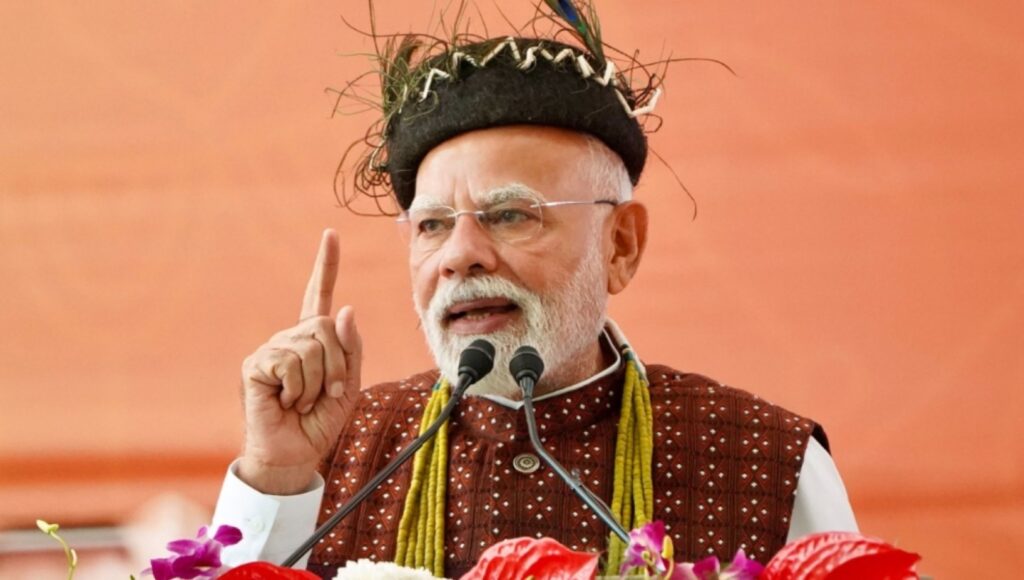



























































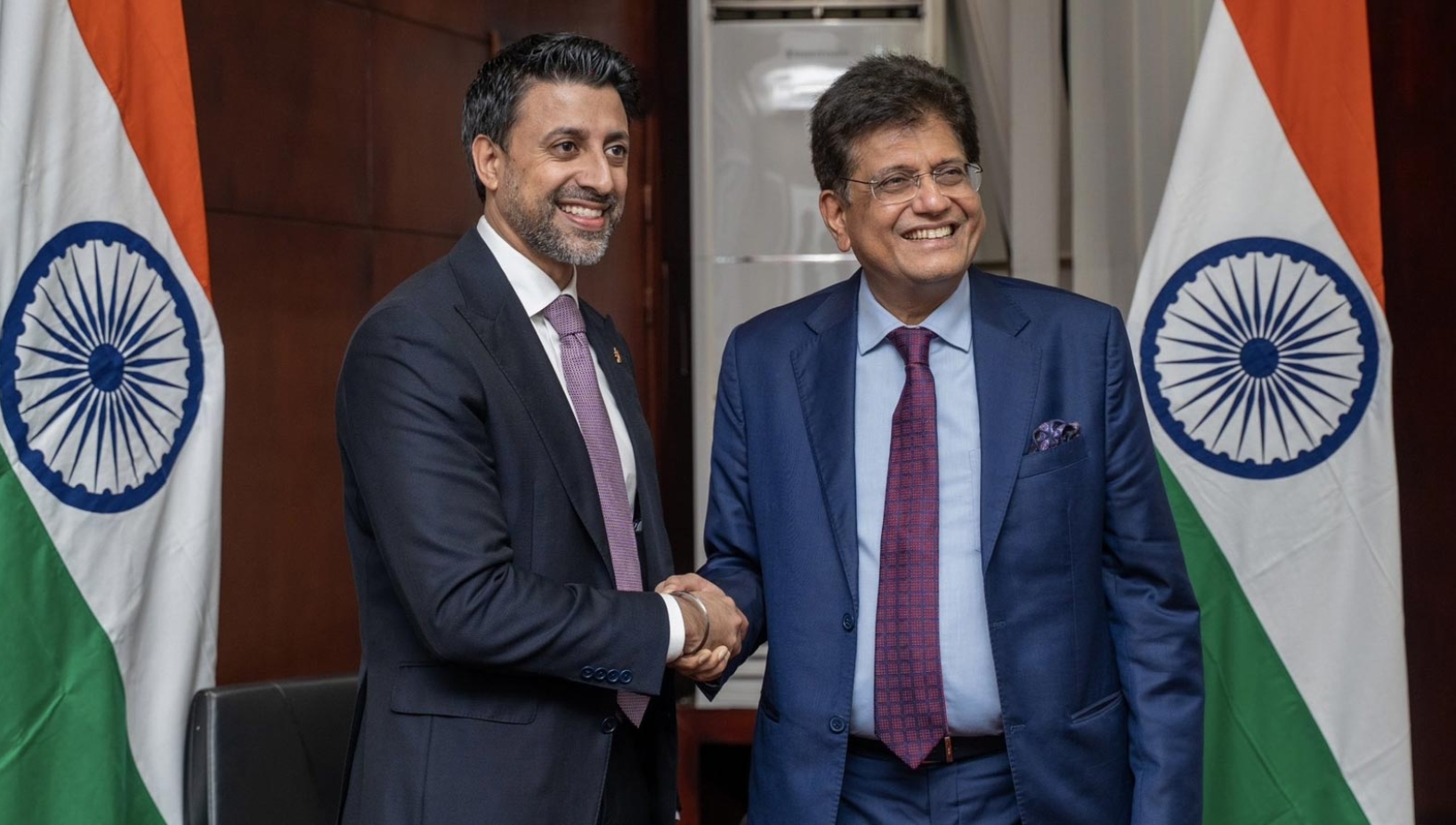
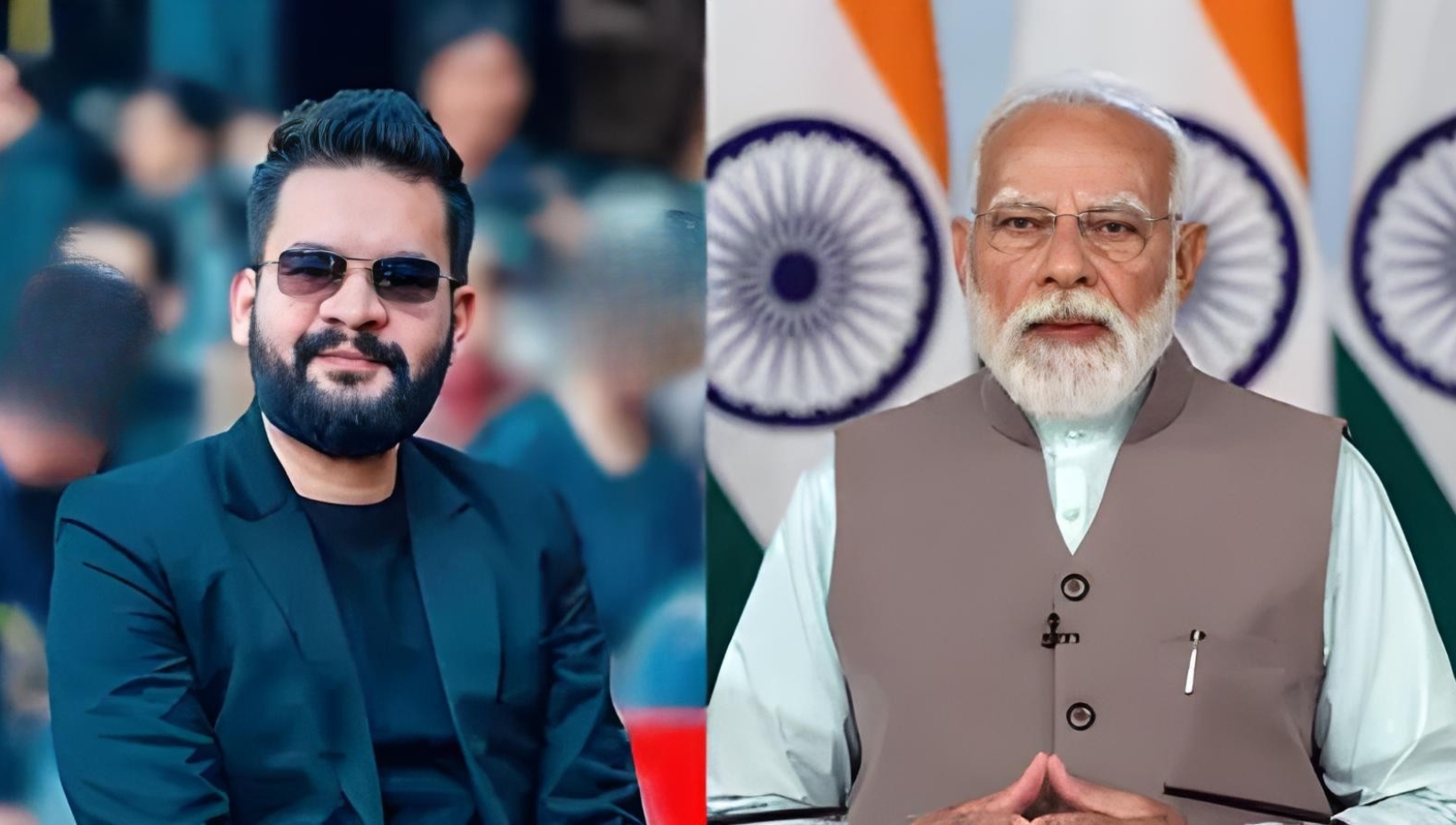
Cabinet Minister of Food Processing Industries Shri Chirag Paswan Discusses India’s Rise as a Global Food Basket with Mr. Rajat Raj Shukal, Global Head and Principal Partner, AsiaOne Magazine

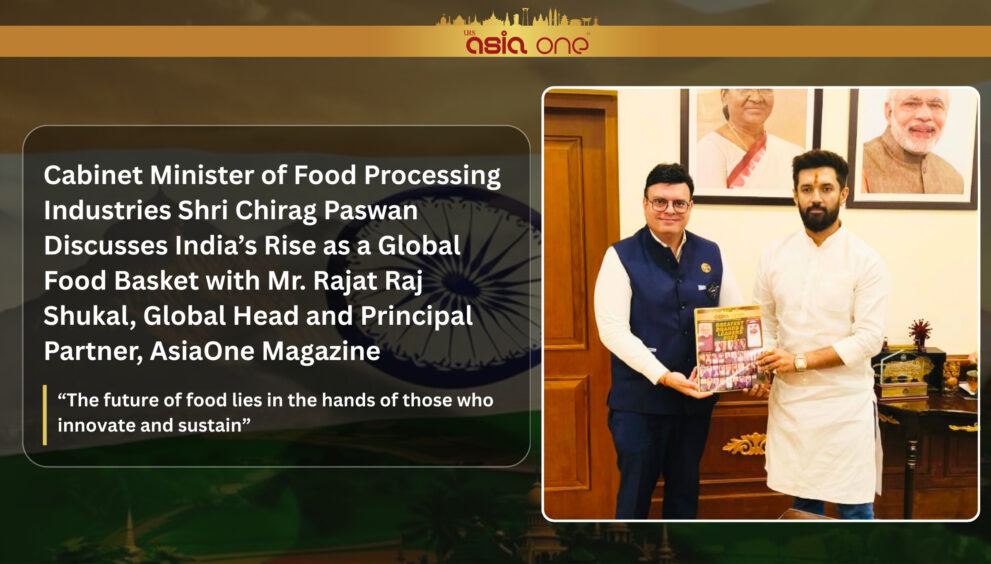
“The future of food lies in the hands of those who innovate and sustain.”
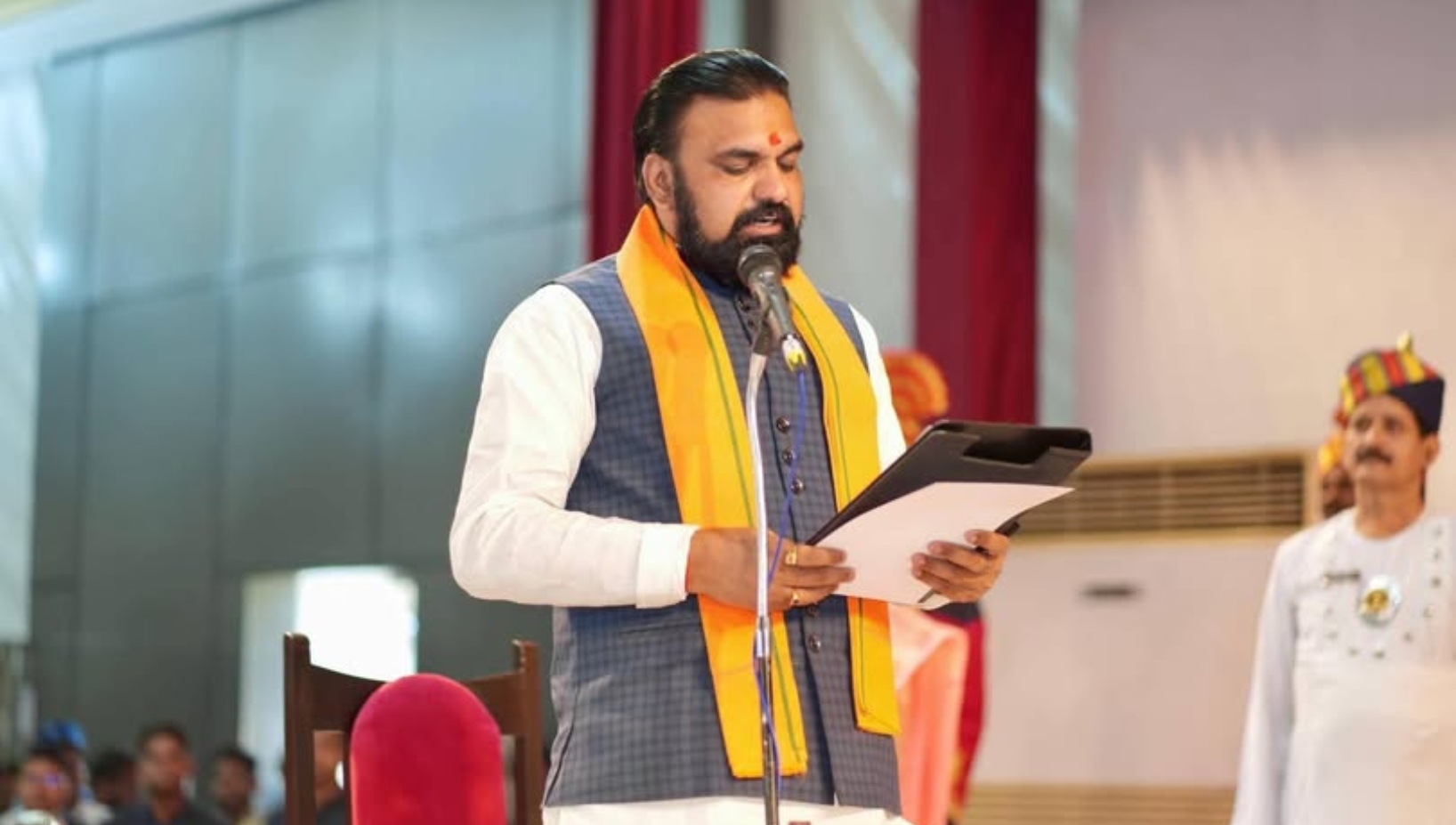
This statement perfectly captures the strategic approach India is taking under the leadership of Shri Chirag Paswan, Cabinet Minister of Food Processing Industries. In his recent conversation with Mr. Rajat Raj Shukal, Global Head and Principal Partner of AsiaOne Magazine, Shri Paswan detailed the initiatives transforming India’s food processing sector, from boosting infrastructure to supporting grassroots entrepreneurs. His vision is to leverage innovation and sustainability to position India as a global food powerhouse while driving inclusive growth across rural communities.
Food Industry & Its Impact on Farmers
What makes Shri Paswan’s approach so profoundly impactful is not just the scale of reforms he is introducing, but the emotional and economic transformation they bring to small-scale farmers and rural entrepreneurs. In their conversation, Mr. Shukal and Shri Paswan resonated on the shared belief that true development must touch the lives of those furthest from privilege. Shri Paswan’s leadership is doing just that, through policies that are not only economically sound but deeply humane.
Under his watch, the Ministry of Food Processing Industries has aggressively pushed infrastructure enhancements – 100 NABL-accredited food testing labs and 50 irradiation centres, providing essential tools to reduce post-harvest losses, ensure food safety, and support exports. These initiatives, while technical in nature, are transformative in impact. They offer farmers and small businesses an equal seat at the table in a global marketplace.
Focussed on Smarter Agricultural Waste Management
As Mr. Shukal noted during the discussion, “India produces a massive amount of agricultural waste, estimated at 683 million tonnes of crop waste annually, with a significant portion (92 million tonnes) being burned, contributing to air pollution. This waste includes crop residues, animal waste, and other byproducts from various agricultural activities. While a portion is utilised for livestock feed and energy production, a large amount remains unutilised, posing environmental challenges and highlighting the need for better waste management strategies.”
This observation underlines the very necessity of Shri Paswan’s infrastructural vision, one where food is processed, preserved, and elevated, instead of wasted. By championing cutting-edge food safety frameworks and upgrading FSSAI standards to align with global norms, Shri Paswan is not only protecting India’s domestic consumers but also instilling global trust in “Made in India” food products.
Turning Policy into Prosperity
But infrastructure is just one part of this narrative. The soul of this movement lies in India’s villages and its spirited entrepreneurs. Flagship schemes like the Pradhan Mantri Formalisation of Micro Food Processing Enterprises (PMFME) and Kisan SAMPADA Yojana are no longer just policy terms, they are lifelines for over 53 lakh farmers and 7.6 lakh jobs. Over 1.41 lakh loans amounting to ₹11,205 crore have been disbursed under PMFME, and more than 3.3 lakh SHG members have found their footing in food entrepreneurship. The establishment of 75 incubation centres speaks volumes of the ministry’s forward-thinking support for innovation.
This was brought to life as Shri Paswan emotionally recounted success stories from the makhana farmers in Bihar’s Madhubani district who now export their goods globally, to Bastar’s tribal women transforming Mahua into health bars and tea blends. These are not just products but stories of dignity, independence, and India’s ability to stand tall in the global value chain.
Processing the Myths Away
The conversation also touched on the psychological rebranding of processed foods in India. Shri Paswan has been a fierce advocate of shifting public perception away from stereotypes. Processed doesn’t mean unhealthy, he emphasised. In fact, smart processing preserves nutrients, reduces waste, and adds shelf life – vital in a country where post-harvest loss has historically been an Achilles heel.
Vision Meeting Purpose
As the two visionaries discussed the future, it became evident that Shri Paswan’s mission is about much more than policy. It is about positioning India as a food powerhouse rooted in integrity, quality, and equity. To realise this vision, Shri Paswan, at the Rising Bharat Summit and World Food India 2025, called for more investments in logistics and cold chains, while also inviting global players to explore India’s rich agricultural heartland, particularly Bihar.
With private investments exceeding ₹22,000 crore and over 1,600 projects under the Kisan SAMPADA Yojana, the numbers speak volumes about the progress made. Yet what remains most inspiring is the emotion with which Shri Paswan speaks of his belief that the food on our plate can change the future of millions.
Mr. Rajat Raj Shukal concluded the discussion with profound admiration. He reflected on how Shri Paswan’s work does not just uplift an industry but elevates a nation. “This isn’t merely about economic outcomes; it’s about rewriting the Indian success story from the soil upward,” Mr. Shukal remarked.
As India charts its journey from “granary of the East” to “global food basket,” voices like Shri Chirag Paswan and platforms like AsiaOne Magazine continue to shine a light on the human stories and strategic visions driving the transformation. Together, they remind us that when vision meets purpose, even a humble grain can build a mighty nation.
FAQs
1. What is India’s current status in global food processing?
India is emerging as a global food processing hub, with value-added output growing from ₹1.34 lakh crore in 2014 to ₹2.24 lakh crore in 2025.
2. How is the government supporting rural food entrepreneurs?
Through schemes like PMFME and Kisan SAMPADA Yojana, providing loans, training, and incubation to micro-enterprises and SHGs.
3. What impact has PMFME made so far?
Over 1.41 lakh loans worth ₹11,205 crore have been disbursed, benefiting 3.3 lakh SHG members and generating thousands of jobs.
4. What is the government doing to ensure food safety and quality?
Setting up 100 food-testing labs and 50 irradiation centers, with FSSAI oversight and international regulatory alignment.
5. Are processed foods always unhealthy?
No, Minister Paswan emphasises that processed foods can preserve nutrition and extend shelf life when done right.
6. What role do food parks and cold chains play?
They reduce post-harvest losses, improve shelf life, and enable efficient farm-to-market connectivity.
7. How does India handle agricultural waste in the food sector?
India generates 683 million tonnes of crop waste annually, with policies being developed to reduce burning and promote productive reuse.
8. What kind of startups are supported in food processing?
Startups in food tech, packaging, storage, and digital traceability are being encouraged under ministry programs
9. How are Indian food brands gaining international recognition?
Regional brands rooted in local ingredients are now reaching global markets through branding and export facilitation.
10. What is the long-term vision of the Ministry of Food Processing?
To transform India into a sustainable, innovation-driven global food basket supporting both farmers and entrepreneurs.