








































































































































































































![In my last role at [Previous Company], I reduced cost-per-lead on Google Ads by 28% and improved conversions by 40% through campaign restructuring and remarketing. On social media, I boosted engagement by 45% and increased website traffic by 30% using interactive content and influencer collaborations.](https://www.asiaonemedia.com/wp-content/uploads/2025/09/Economy-India-and-UK-Partner-for-Sustainable-Smart-Cities-1024x580.jpg)




































































Physicists test radiation-resistant solar cells for space


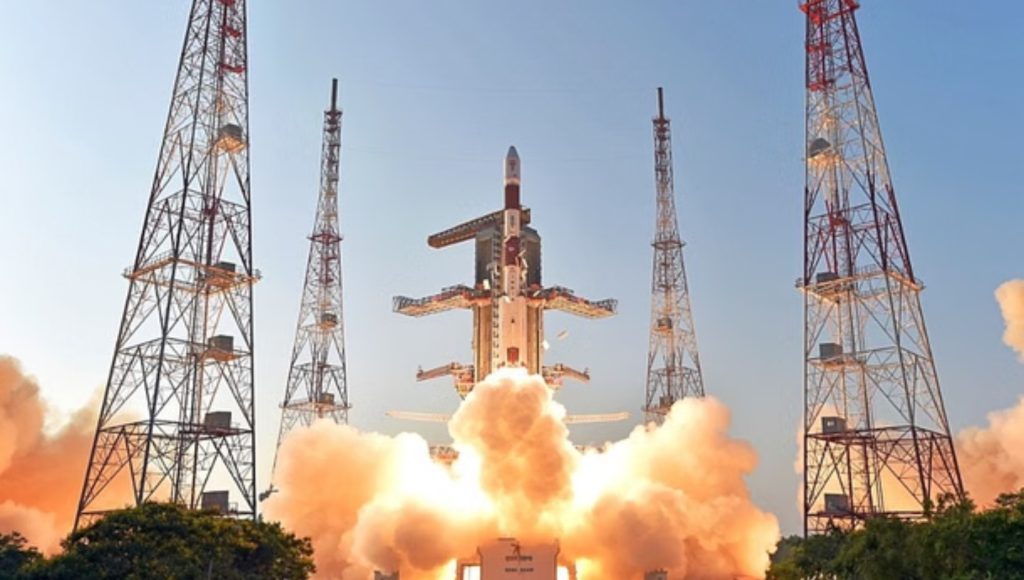
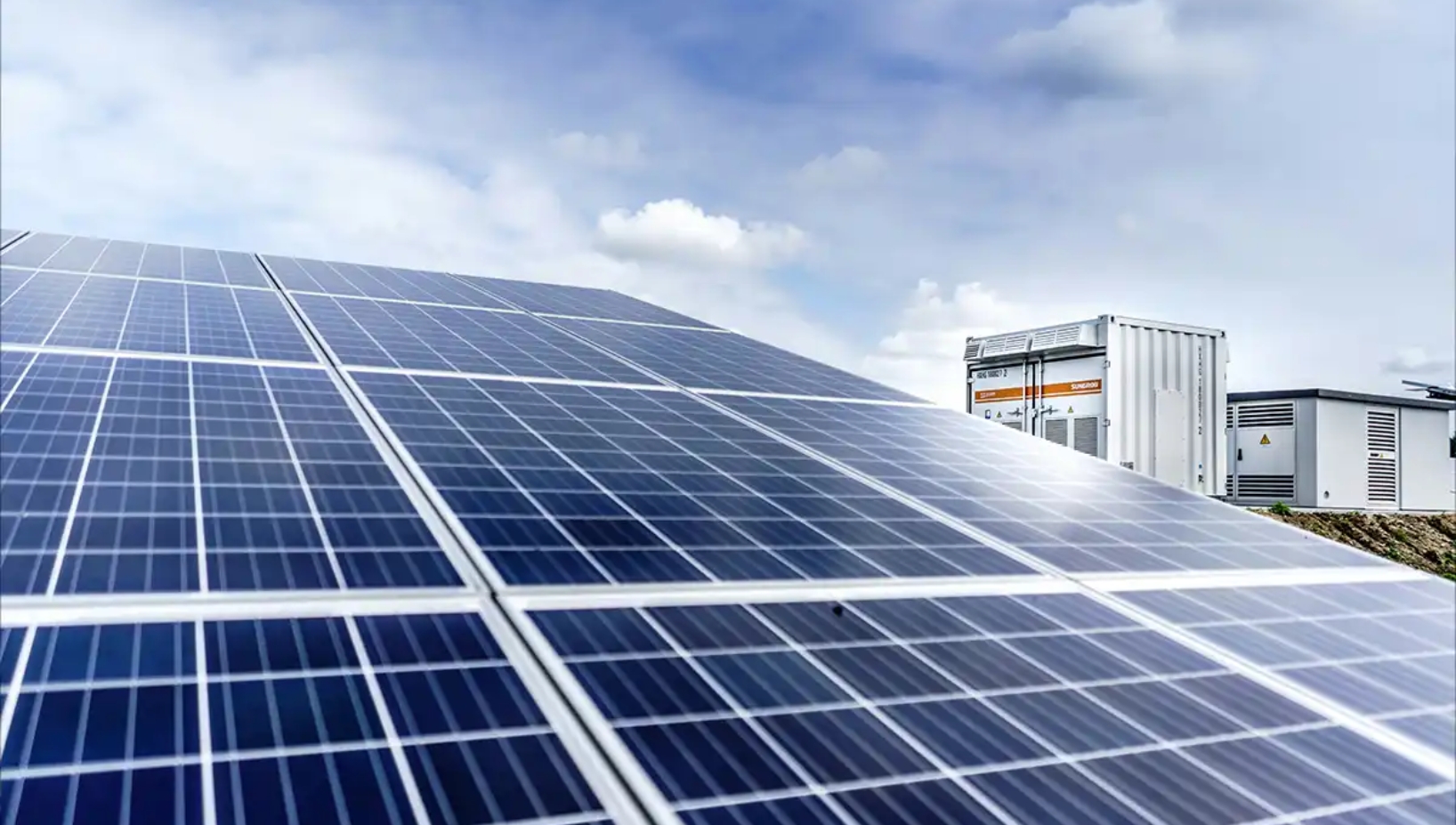
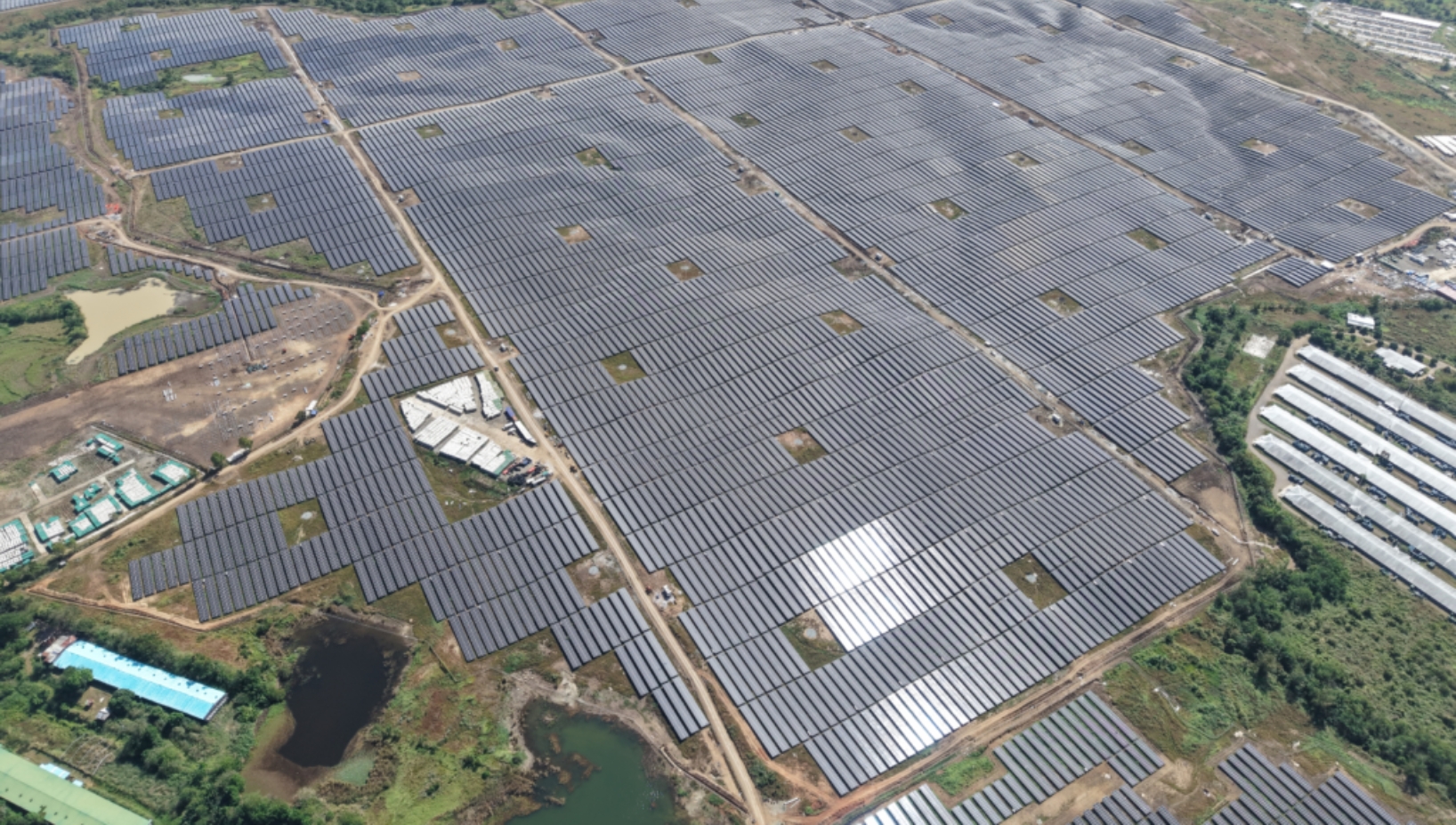
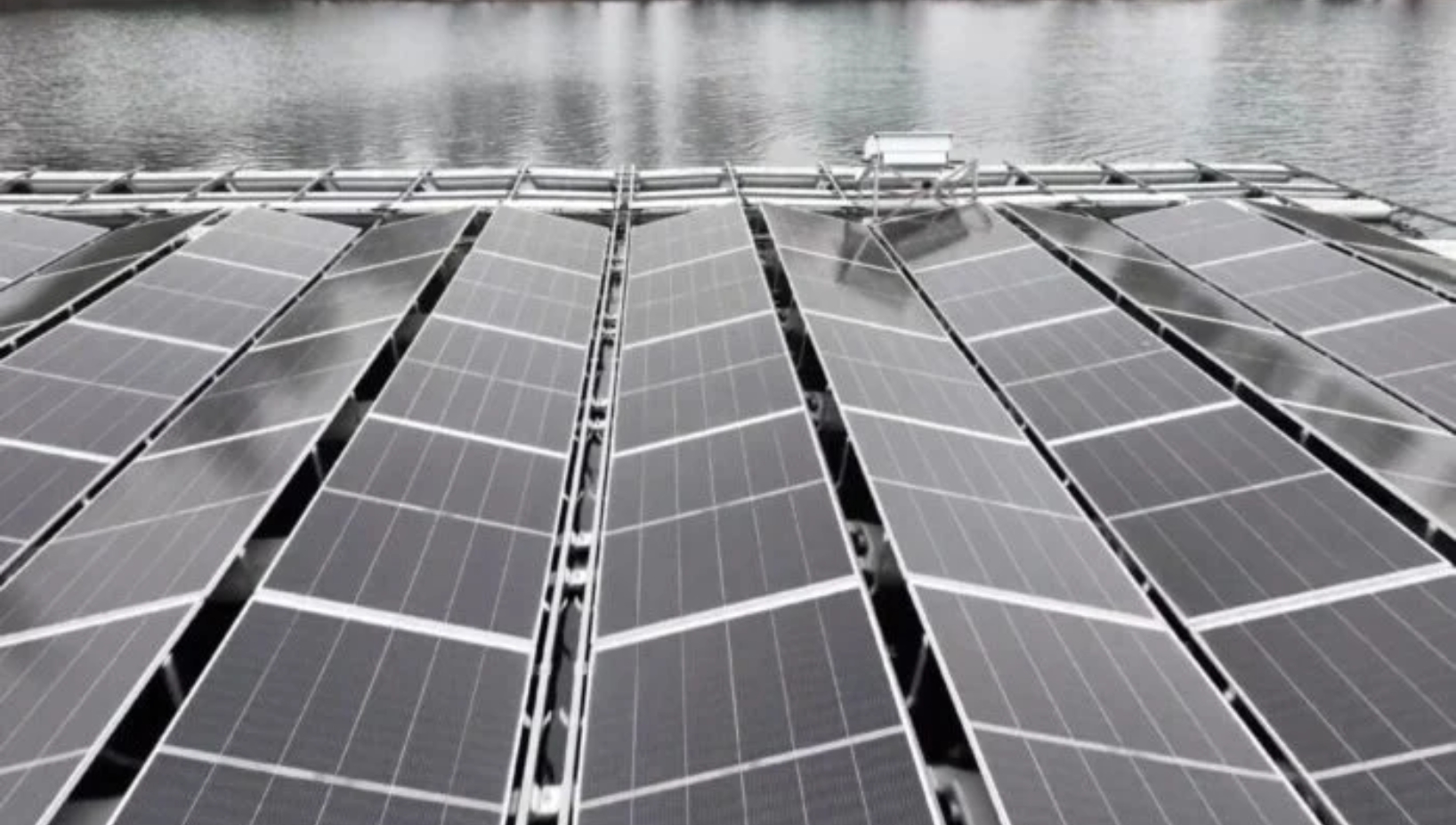
Solar cells face major challenges in outer space, where extreme temperatures, high radiation levels, and harsh environmental conditions reduce their efficiency and lifespan compared to performance on Earth. Scientists at the University of Toledo are working to address these issues through advanced research at the Wright Center for Photovoltaics Innovation and Commercialization, supported by a large-scale project funded by the Air Force Research Laboratory.
A recent breakthrough focuses on an emerging technology that uses antimony compounds as light-absorbing semiconductors. UToledo researchers have published a first-of-its-kind study assessing the potential of antimony chalcogenide-based solar cells for space applications in the journal Solar RRL, which featured the research on its front cover.
“Antimony chalcogenide solar cells exhibit superior radiation robustness compared to conventional technologies currently used in space,” said Alisha Adhikari, a doctoral student in physics who co-led the research. However, she noted that efficiency levels still need significant improvement before the technology can be widely adopted for future missions.
The team plans to further explore ways to optimise solar energy harvesting under space conditions. Led by Professor Randall Ellingson, the group includes postdoctoral researcher Dr. Vijay Karade and doctoral students Scott Lambright and Alisha Adhikari, alongside collaborators Dr. Yanfa Yan and Dr. Zhaoning Song. The research reflects growing global interest in antimony-based materials as next-generation solutions for space solar power.