



































































![In my last role at [Previous Company], I reduced cost-per-lead on Google Ads by 28% and improved conversions by 40% through campaign restructuring and remarketing. On social media, I boosted engagement by 45% and increased website traffic by 30% using interactive content and influencer collaborations.](https://www.asiaonemedia.com/wp-content/uploads/2025/09/Economy-India-and-UK-Partner-for-Sustainable-Smart-Cities-1024x580.jpg)





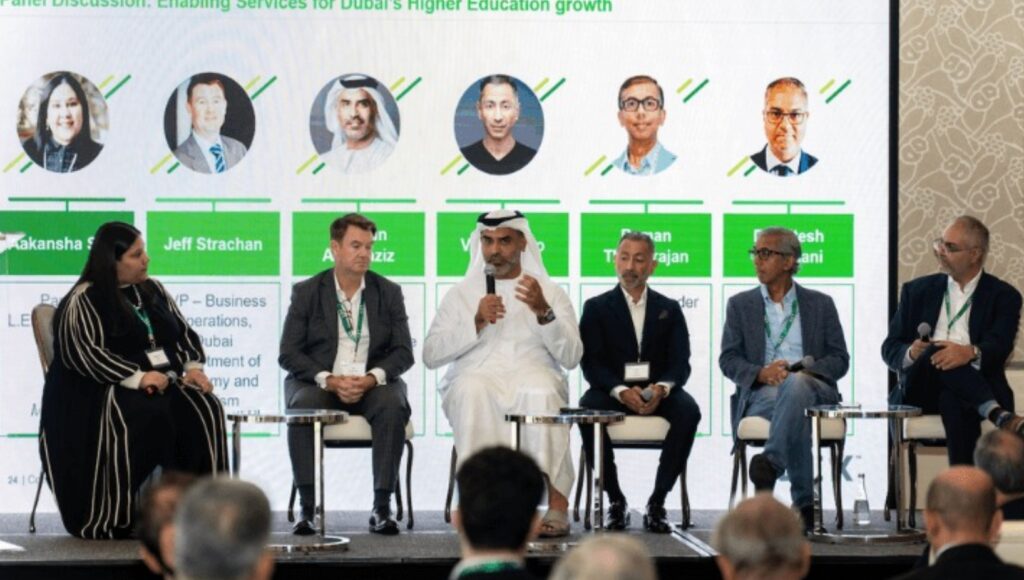
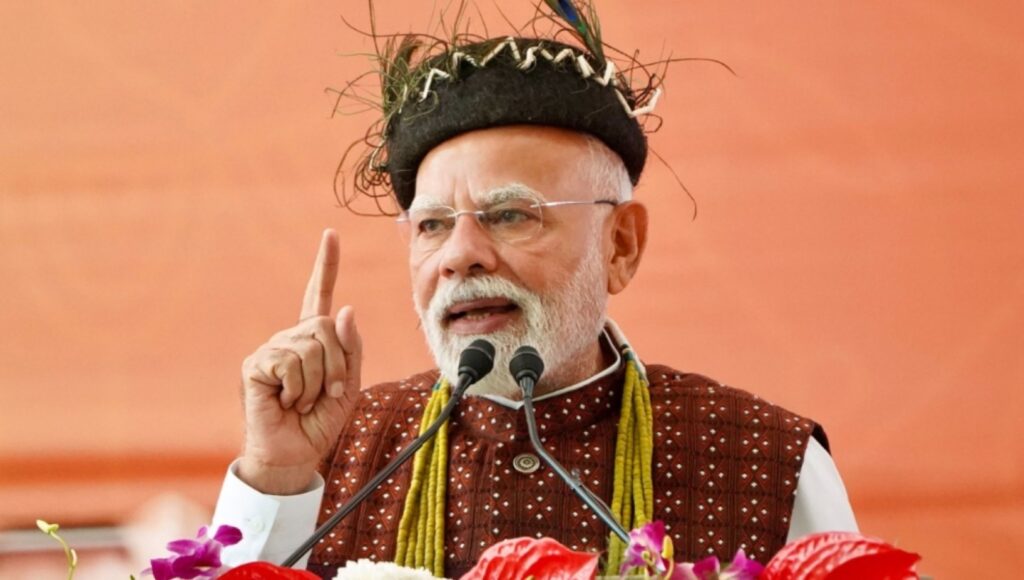









































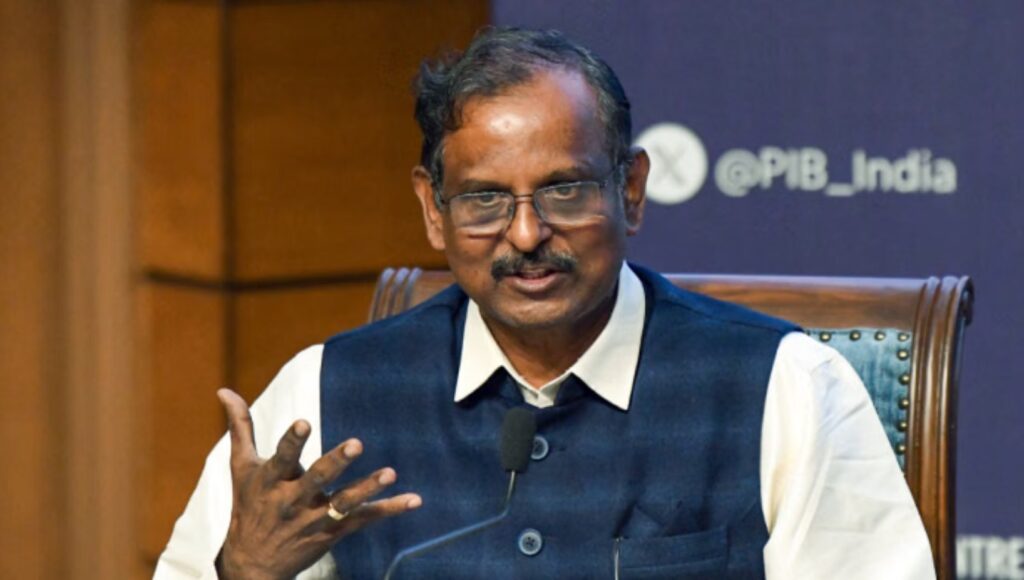

























Shri Anurag Singh Thakur, Member of Parliament (Lok Sabha), and Mr Rajat Raj Shukal, AsiaOne Magazine’s Global Head, Discuss India’s Parliamentary Vision for Resource Security and Industrial Growth


“A nation’s strength is defined by how securely it manages its resources and how confidently it builds its industries.”
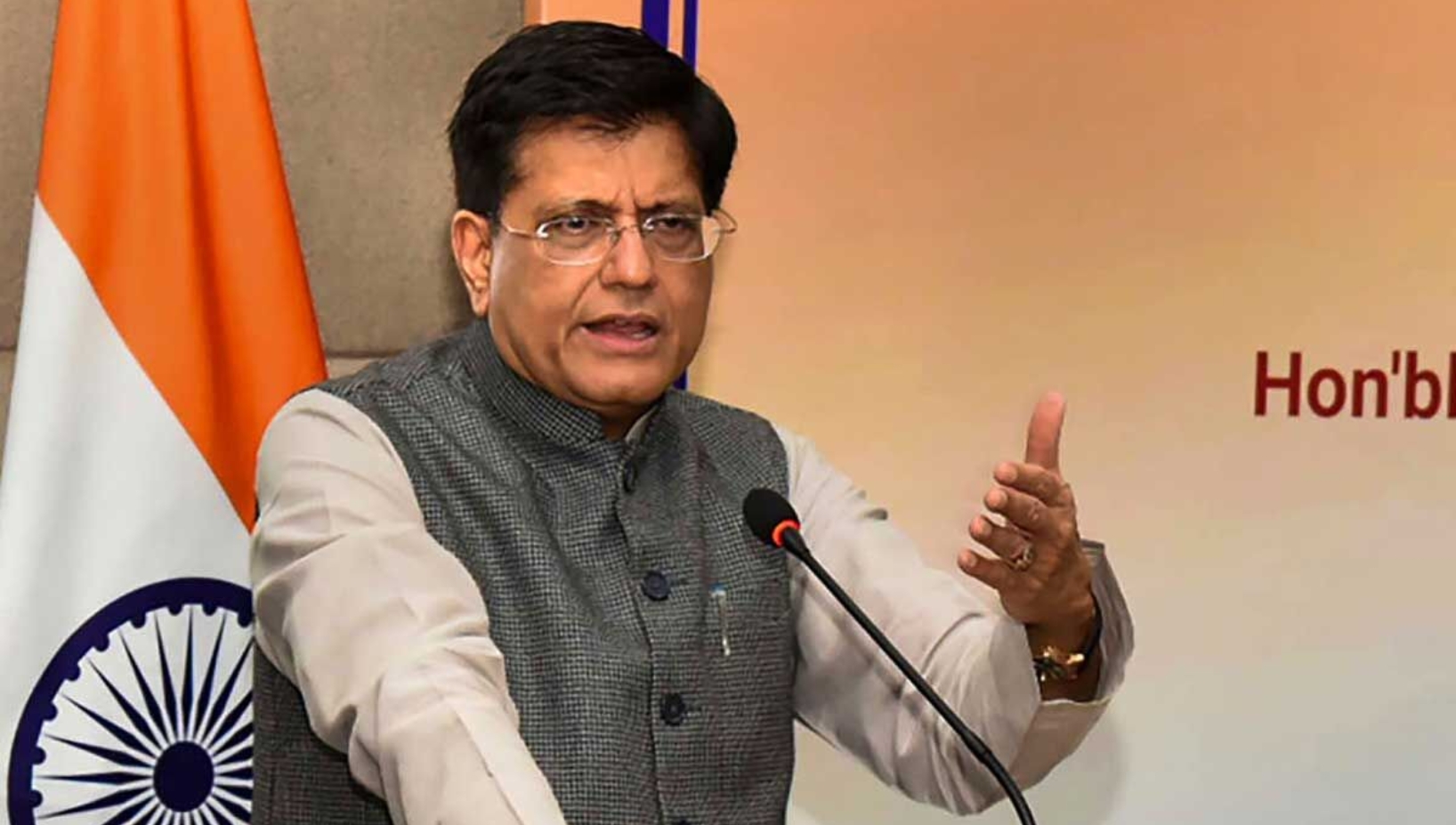
This principle framed the insightful dialogue between Shri Anurag Singh Thakur, Hon’ble Member of Parliament (Lok Sabha), and Mr Rajat Raj Shukal, Global Head and Principal Partner of AsiaOne Magazine, as they delved into India’s parliamentary vision for resource security and industrial growth. Set against a backdrop of global supply-chain disruptions, geopolitical uncertainty, and intensifying competition for strategic resources, the conversation highlighted how legislative foresight, policy continuity, and disciplined governance are shaping India’s path towards long-term economic resilience and global competitiveness.
Amid global supply-chain disruptions, geopolitical uncertainties, and intensifying competition for strategic resources, the discussion highlighted the importance of policy continuity, disciplined implementation, and long-term national planning.
Resource Security as an Instrument of Economic Stability
Shri Anurag Singh Thakur articulated that resource security must be approached as a comprehensive national strategy rather than a narrow sectoral concern. In addition to natural assets, it includes human capital, technological capability, industrial resilience, and institutional preparedness. Nations that systematically enhance these dimensions, he observed, are better positioned to manage external disruptions and sustain economic growth.
The discussion underlined the importance of legislative frameworks in promoting domestic capacity building. Parliament contributes to stabilising supply chains and strengthening economic sovereignty by promoting indigenous manufacturing, efficient resource utilisation, and innovation-driven ecosystems. In this context, resource security serves as the foundation for predictable and sustained industrial performance.
Industrial Growth Enabled by Policy Clarity and Structural Strength
During the discussion, Shri Anurag Singh Thakur highlighted that industrial growth in India is not accidental but the result of sustained policy focus and institutional coherence. He explained that Atmanirbhar Bharat seeks to foster industries that are globally competitive, scalable, and innovation-driven, moving beyond short-term protectionist measures. According to him, strengthening domestic industries to meet international standards is key to India’s deeper integration into global value chains.
The dialogue highlighted that legislative clarity and regulatory stability are critical to industrial expansion. Long-term investments in manufacturing, infrastructure, and logistics necessitate confidence in governance systems. When policy intent is clearly articulated and consistently implemented, industries are more likely to expand capacity, embrace new technologies, and generate employment.
Mr. Rajat Raj Shukal noted that industrial progress accelerates when a national vision is supported by coordinated institutional implementation. He stressed that alignment across policy, infrastructure development, and investment facilitation improves industrial performance and India’s overall economic competitiveness.
Human Capital as a Strategic Enabler of Industrial Expansion
The conversation acknowledged human capital as a critical enabler of resource security and industrial growth. Shri Anurag Singh Thakur emphasised that India’s demographic advantage, when supported by targeted policy interventions, can translate into a sustained economic capacity. Skill development, innovation readiness, and workforce adaptability were identified as critical priorities in this regard.
Leveraging on his experience as a former Union Minister for Youth Affairs and Sports, he discussed governance methods that emphasised structured infrastructure development, transparent administration, and long-term talent development. These approaches, he noted, show how institutional investment in people may result in long-lasting economic outcomes.
The dialogue further emphasised that education, sports, research, and entrepreneurship are not peripheral initiatives but rather integral components of industrial strategy. Aligning human capital development with evolving industrial requirements ensures that workforce growth complements industrial expansion rather than lagging behind it.
Science and Technology as Drivers of Industrial Capability
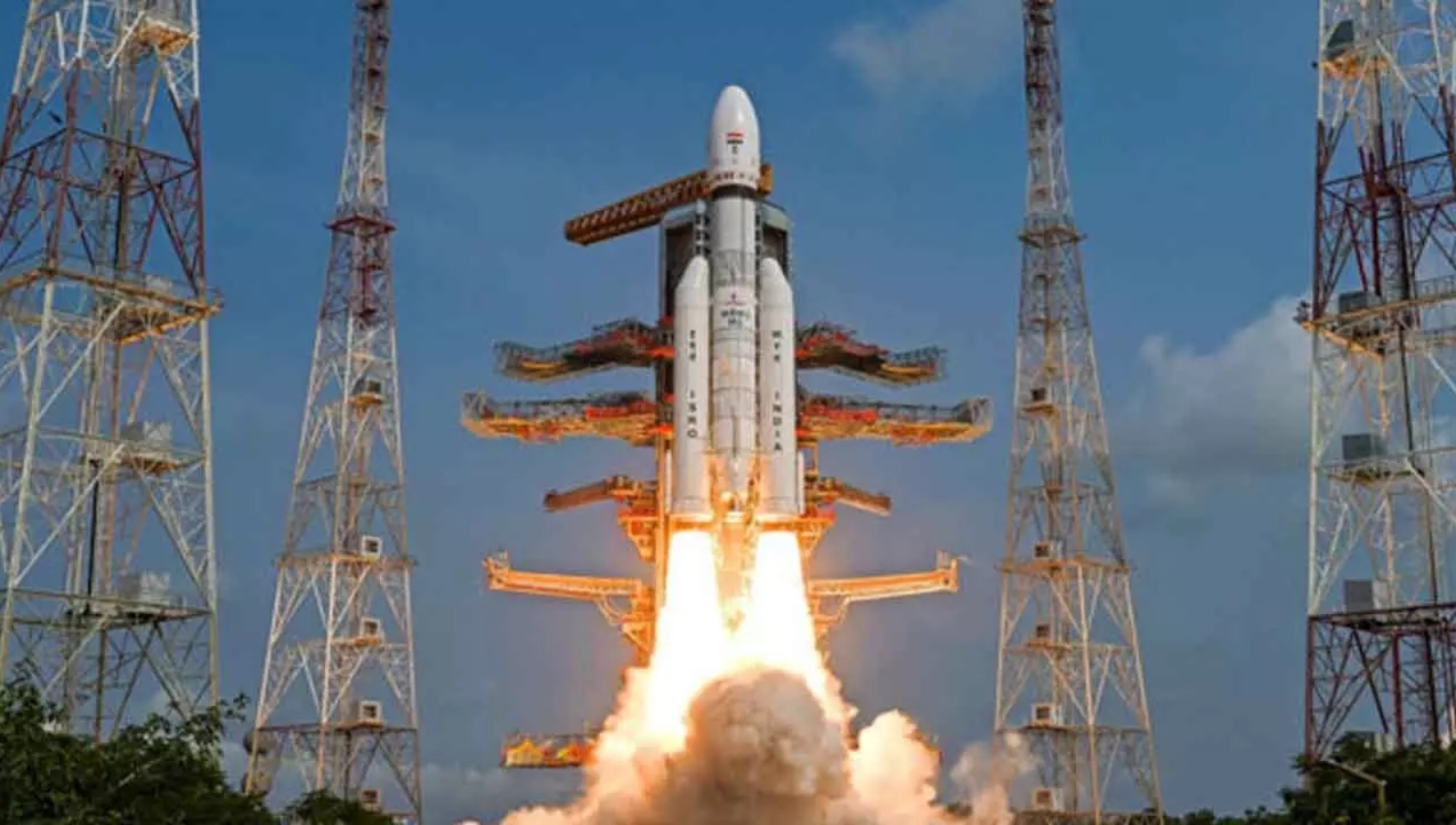
In their conversation, Shri Anurag Singh Thakur and Mr Rajat Raj Shukal explored the transformative role of science and technology in strengthening industrial capacity and resource efficiency. Shri Thakur highlighted India’s long-term vision, citing plans to establish a national space station by 2035 as a marker of the country’s growing technological ambition and strategic foresight.
They discussed how such initiatives extend beyond aerospace, driving advanced manufacturing, fostering innovation ecosystems, and building high-value technical skills across industries. Technology-led growth, they noted, not only enhances productivity but also positions India competitively in sectors of strategic importance, creating a foundation for sustainable industrial expansion.The dialogue also emphasised the importance of ongoing legislative support for research, innovation, and key technologies in retaining industrial competitiveness in a rapidly evolving global environment.
Governance Discipline and Institutional Credibility
Effective governance and institutional discipline were identified as essential enablers of policy success. Shri Anurag Singh Thakur stressed that resource security and industrial progress rely on transparent systems, accountability, and execution efficiency. His service in the Territorial Army was referenced as an example of institutional commitment and national service, reflecting values that are also essential for effective public leadership.
The discussion also highlighted that strong institutions enhance trust among citizens, investors, and international partners. Consistent governance frameworks promote efficient resource utilisation and long-term economic credibility.
A Coherent Legislative Approach to Future-Ready Growth
The discussion between Shri Anurag Singh Thakur and Mr Rajat Raj Shukal provided a coherent legislative vision in which resource security, industrial growth, human capital development, and technological capability are all mutually reinforcing. The discussion reflected a governance approach that prioritised structural strength, policy consistency, and national preparedness.
As India advances towards the goal of “Viksit Bharat,” such targeted parliamentary discussions highlight the significance of aligning vision and execution. India is laying the foundation for a secure, industrially robust, and globally confident future by improving institutions, investing in people, and unleashing innovation-driven industries.
FAQs:
- Who is Shri Anurag Singh Thakur?
Shri Anurag Singh Thakur is an Indian Politician from the Bhartiya Janta Party and a Member of Parliament (Lok Sabha) from Hamirpur, Himachal Pradesh, known for his work on youth empowerment, sports development, and national policy formulation.
- Who is Mr Rajat Raj Shukal?
Mr Rajat Raj Shukal is the Global Head and Principal Partner, AsiaOne Media Group, which engages with leaders to promote strategic national priorities and India’s global growth narrative.
- What was the focus of the discussion between Shri Thakur and Mr Shukal?
The discussion centred on India’s parliamentary strategy for securing critical resources and promoting industrial growth to boost economic resilience and global competitiveness.
- What does resource security signify in terms of India’s industrial growth?
Resource security involves access to natural resources, human capital, technological competence, and institutional readiness, enabling sustainable economic and industrial expansion.
- How does Parliament influence industrial development?
Parliament shapes policy clarity, regulatory stability, and long-term legislative frameworks to encourage investment, innovation, and scalable industrial infrastructure.
- Why is human capital important to India’s industrial vision?
Human capital, through skilled youth, workforce readiness, and innovation, improves productivity and boosts India’s competitiveness in technology-driven and labour-intensive industries.
- How do science and technology integrate into India’s growth strategy?
Science and technology act as growth multipliers by fostering advanced manufacturing, research ecosystems, and strategic capabilities that enhance industrial output and competitiveness.
- What role does government play in achieving resource security and industrial growth?
Transparent governance, institutional discipline, and execution efficiency all contribute to credible policy implementation, effective resource allocation, and investor confidence.
- How does AsiaOne contribute to national and global policy discourse?
AsiaOne Magazine engages global leaders in dialogue, amplifies policy insights, and promotes India’s development narratives to an international audience, enhancing strategic visibility.
- What was the overall takeaway from the conversation?
The conversation highlighted that India’s long-term economic strength depends on cohesive parliamentary vision, policy consistency, and strong institutions that integrate resource security, industrial growth, and human capital. It emphasized that technology-driven innovation and disciplined governance are essential for building a globally competitive and resilient India.